Ghana is seeking new financing approaches for energy infrastructure as government moves to address the high cost of capital that continues to make electricity projects more expensive and constrain the country’s ability to provide competitively priced power.
Energy and Green Transition Minister Dr John Abdulai Jinapor said the financing challenge was particularly serious because Ghana and other African countries possess substantial energy resources but often lack access to sufficiently cheap, long-term capital to develop them.
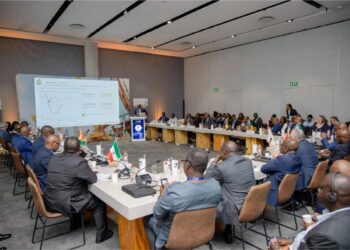
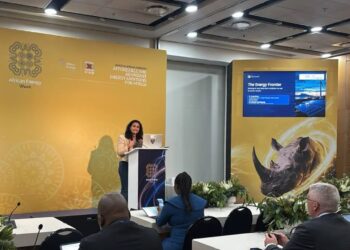
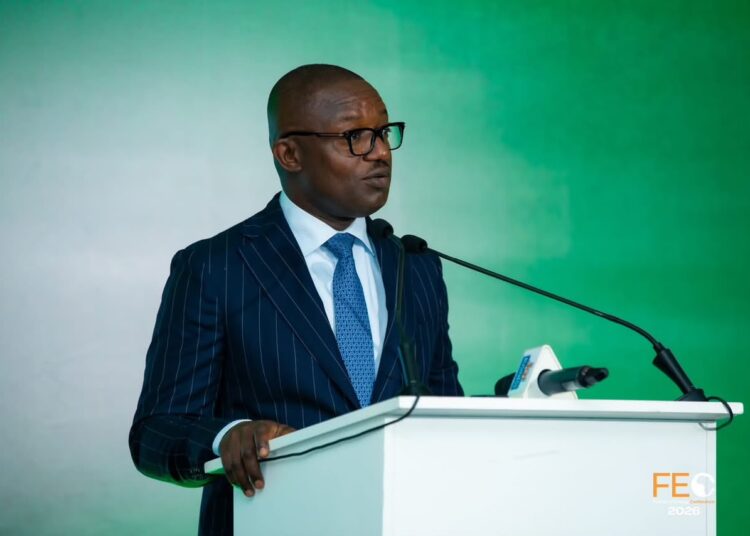
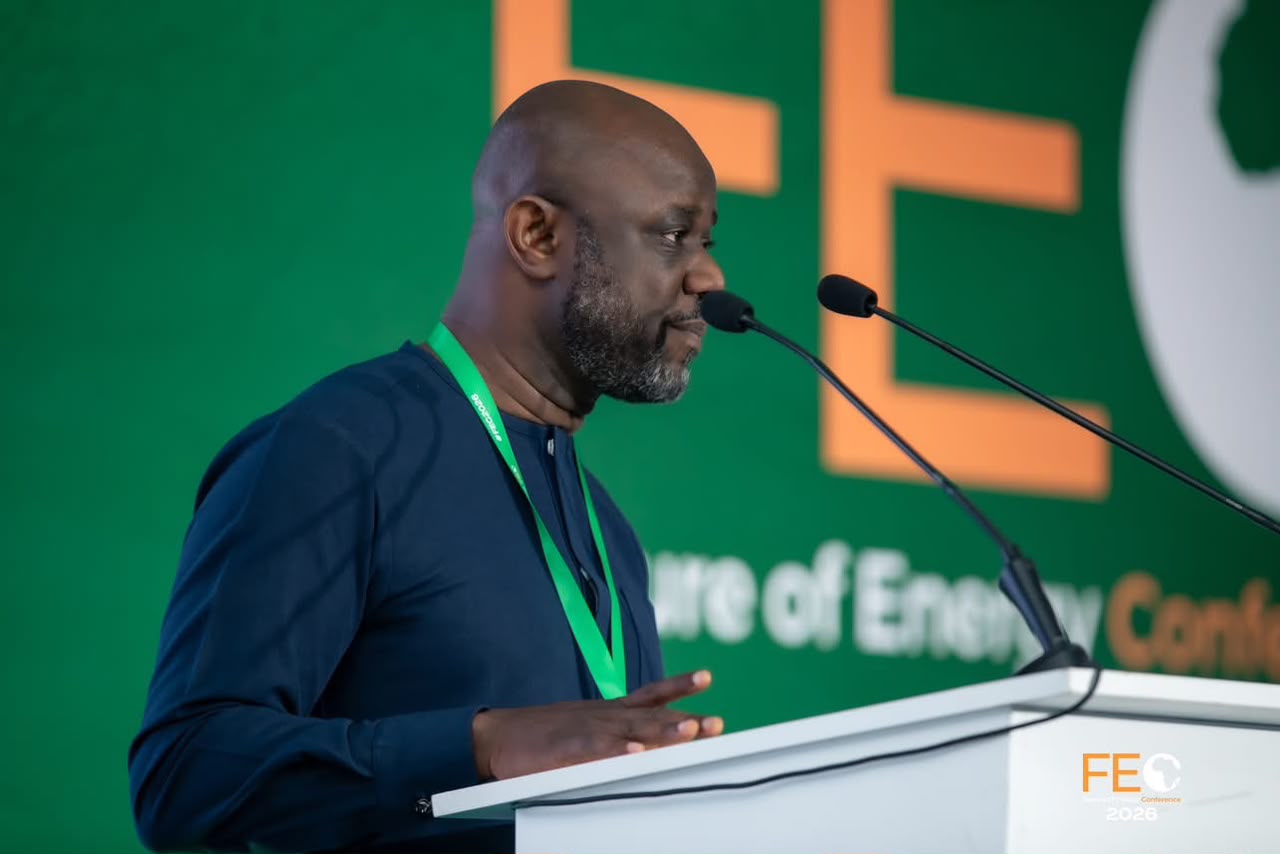
Speaking at the 2026 Future of Energy Conference in Accra, Dr Jinapor said financing must therefore be treated as a central component of energy policy rather than a separate investment issue.
The FEC 2026, being held from August 25–26, is examining the structural drivers of energy costs and the ability of African energy systems to support industrial-scale value addition.
Africa’s Financing Gap Remains Wide
Dr Jinapor said Africa requires about US$15 billion annually to achieve universal electricity access, but currently receives only about US$2.5 billion towards that requirement, with private-sector capital accounting for only about 30% of the financing mobilised.
That gap creates a fundamental problem for countries such as Ghana: even when commercially viable energy projects exist, the financing structure can make the resulting electricity too expensive.
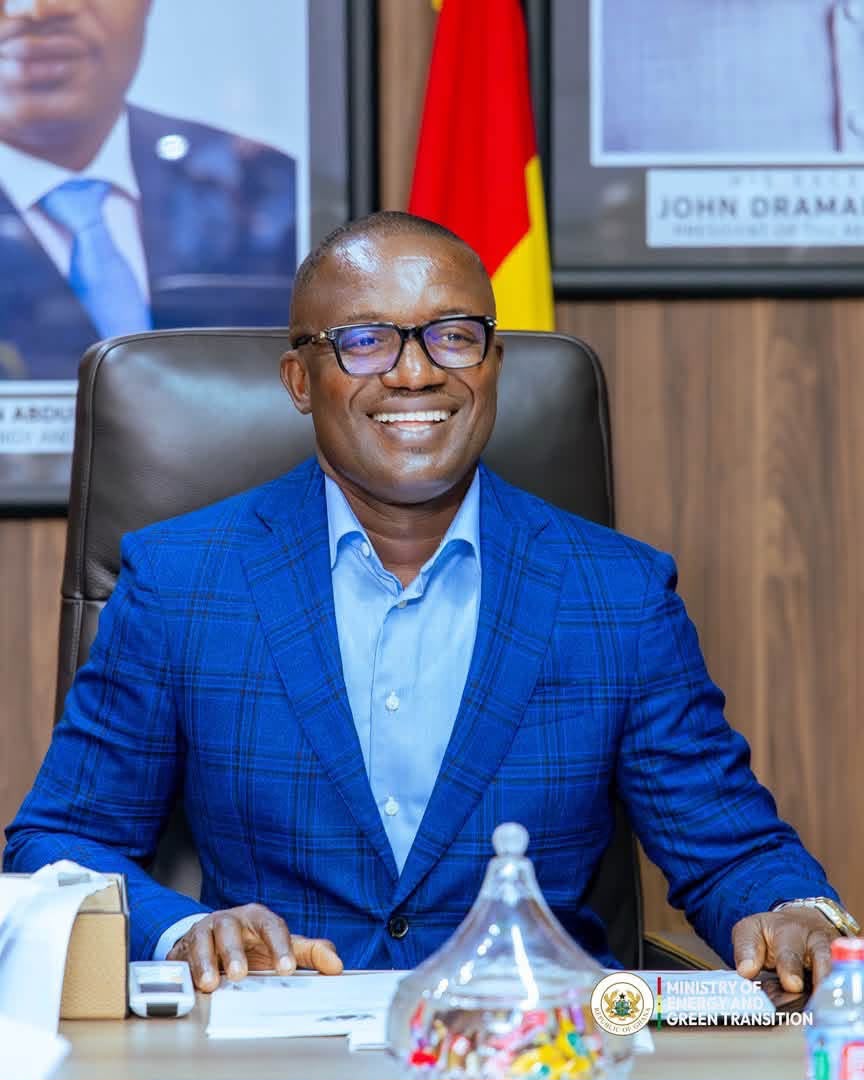
“The cost of capital, especially cheap, patient capital, remains one of Africa’s biggest structural disadvantages.”
Dr John Abdulai Jinapor, Minister for Energy and Green Transition
The Minister said high borrowing costs can erase some of the competitive advantage created by Ghana’s natural energy resources.
This is particularly relevant to renewable energy. Solar generation has relatively low operating costs once installed, but the upfront investment is capital intensive.
When developers borrow at high interest rates, those financing costs are ultimately reflected in the price at which electricity must be sold.
Ghana Looks To Use Domestic Resources Differently
Dr Jinapor highlighted a change in how Ghana is approaching the use of its petroleum revenues and sovereign assets to finance strategic energy investments.
He pointed to the Heritage Fund, which was established to preserve part of Ghana’s petroleum wealth for future generations.
Because the fund invests conservatively, the returns are relatively low.
The Minister said Ghana had historically been earning returns of roughly 1.5% to 2% on such investments while the state could then borrow for infrastructure at rates of around 8% or 10%.
That creates an obvious financing mismatch.

“When we want to do energy projects, we go to the capital market and borrow at 8%, sometimes 10%.”
Dr John Abdulai Jinapor, Minister for Energy and Green Transition
According to the Minister, legislative changes have been introduced to allow government to reinvest or borrow against appropriate sovereign resources under defined arrangements rather than leaving those funds earning relatively low returns while the state incurs much higher borrowing costs elsewhere.
The approach reflects a broader effort to make Ghana’s own financial resources work more strategically in supporting infrastructure.
Solar Costs Highlight The Financing Problem
The Minister used solar power to illustrate how financing costs can directly affect electricity prices.
He said Ghana’s first solar procurement produced a price of about US8 cents per kilowatt-hour, but government is seeking further reductions.
Dr Jinapor said discussions with a European company indicated that solar could potentially be delivered at about US6 cents in other markets, prompting government to examine why Ghana’s cost remains higher.
His explanation centred on financing.
“Demand in the EU can get that financing at 2%. When an entrepreneur goes for the same financing, it gets 10%.”
Dr John Abdulai Jinapor, Minister for Energy and Green Transition
That difference matters because renewable projects typically recover their initial capital over many years.
A project financed at a substantially higher interest rate needs higher revenues to remain commercially viable.
Government is therefore calling for blended financing, guarantees, credit enhancement and other risk-mitigation mechanisms capable of reducing the financing premium attached to African energy projects.
Debt Reform Must Accompany New Investment
However, cheaper financing alone will not resolve Ghana’s electricity challenge.
The country is simultaneously dealing with legacy debts and contractual obligations within the power sector.
Dr Jinapor said government had paid approximately US$1.7 billion to independent power producers since taking office.
That expenditure demonstrates why future energy investment must be assessed against the financial capacity of the sector.
The Minister said government is working to reform sector payments, restructure unsustainable contracts and improve the financial position of the electricity system.
He also acknowledged the need for additional power before the government’s planned 1,200MW thermal programme is completed around 2029, creating a difficult transition period in which Ghana must balance immediate electricity needs against the cost of contracting additional capacity.
This is where financing and procurement become inseparable.
Expensive emergency capacity can provide short-term reliability but create long-term financial obligations.
Conversely, delaying investment can leave the country exposed to supply constraints and undermine industrial growth.
Energy Transition Will Require Financial Discipline
Ghana’s transition strategy is therefore being framed around three objectives: energy access, industrialisation and sustainability.
“Ghana’s vision of a just energy transition rests on three pillars: energy access, industrialisation and sustainability.”
Dr John Abdulai Jinapor, Minister for Energy and Green Transition
That formulation is important because Ghana is not pursuing an energy transition based solely on replacing fossil fuels with renewables.
The immediate challenge is to expand electricity supply, improve reliability, lower costs and create the conditions for industrialisation while gradually increasing renewable energy and strengthening system resilience.
Government has also indicated that storage, renewable generation and transmission investments will form part of that wider strategy.
For Ghana, the financing question will ultimately determine how much of that ambition can be implemented.
If capital remains expensive, even abundant solar resources, hydro potential and other domestic energy opportunities may not translate into cheap electricity.
If financing can be de-risked and combined with stronger sector governance, the country could potentially reduce the cost of new generation while limiting the fiscal burden on government.
The significance of FEC 2026, therefore, is that it places financing at the centre of Ghana’s energy competitiveness debate.
The issue is no longer simply whether Ghana can generate more electricity.
It is whether the country can finance, transmit and pay for that electricity sustainably enough to make Ghanaian industry competitive.
READ ALSO: Ghana Rejects Easy Loans in Fresh Debt-Sustainability Push