Ghana’s swift economic resilience positions the country to capitalize on emerging investment opportunities that can significantly attract investors to expand the economy.
Data from the Ghana Statistical Service (GSS) reveal that Ghana’s recovery over the past eleven months has been through three quarters of steady growth and sectoral expansion. Each quarter has exceeded the expectations of the international community.
These performances have made Ghana the top investment prospect and destination in West Africa and the 6th in Africa, according to the 2025/26 RMB Where To Invest In Africa (WTIIA) publication. This implies that Ghana’s economic performance and potential, market accessibility and innovation, economic stability and investment climate, as well as social and human development, have improved.
According to the reviewed performance and ratings of Ghana in 2025, 2026 blooms with more investment opportunities to promote sustainable development and drive long-term economic growth.
Ghana has shown leadership on the continent as an individual country, announcing that African countries are capable of sustained growth to refine outlook and perceptions by transitioning to a self-sufficient and sovereign outlook.
Capitalizing on the Opportunities
The United Nations Conference on Trade and Development (UNCTAD) has outlined policies that Ghana can adapt to further capitalize on these investment opportunities to achieve the long-term prosperity the country desires.


For Ghana to take advantage of the ‘top investment destination’ in the region, the government must build a robust enabling environment. This includes strengthening political and economic stability, enhancing infrastructure and skills, and streamlining regulatory frameworks to lower the cost of doing business.
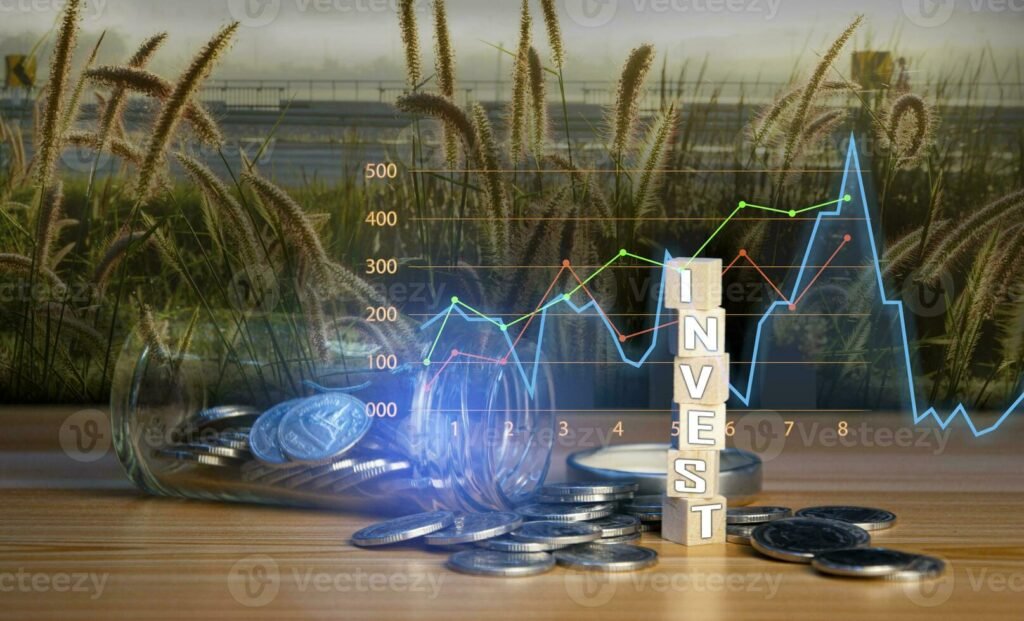
Regional initiatives, such as the African Continental Free Trade Area (AfCFTA) Investment Protocol, provide an opportunity to harmonize investment policies and foster greater regional integration, which can enhance Ghana’s appeal to investors. The AfCFTA must translate into real opportunities for ready market and trade diversification.
Reducing the cost of doing business in Ghana must be a priority to mitigate investment risks. The main risk and disadvantage of long-term investment in Ghana is the high capital cost. Risk mitigation strategies—such as investment guarantees, blended finance mechanisms, and partnerships with multilateral development banks—can help improve access to credit and attract private sector financing.
Furthermore, reforming sovereign credit rating criteria to account for long-term development objectives would lower the cost of capital and facilitate investment in sectors related to SDGs.
Ghana should not rely much on government expenditures to build various sectors of the country. Mobilizing private investment in critical sectors such as renewable energy, infrastructure, healthcare, and education will require targeted policy frameworks and public-private partnerships (PPPs).
Growth is now measured by the capacity and density of PPPs in an economy. With the required incentives, environmental readiness, and a little push from the government, PPPs facilitate sustained growth with sustained jobs and economic sovereignty.
UNCTAD further urges Ghana to focus on enhancing the investment readiness of these sectors by developing clear regulatory frameworks, creating pipelines of bankable projects, and aligning incentives with the SDGs.
In addition, Ghana can maximize the benefits of Foreign Direct Investment (FDI) by strengthening local entrepreneurial ecosystems, manufacturing capacities, as well as domestic and regional value chains linkages.
Although Ghana’s recovery is long-term, the country’s resilience in persistent growth reflects the utilization of opportunities presented as a result of the progress and attractive state of the country.
Ghana’s Foundation for Long-term Growth
The year 2025 has set a commendable stage for the growth and prosperity of Ghana. As the IMF admonished Ghana in its last program engagement, the government must continue to be disciplined in its spending while putting measures in place to improve revenue mobilization.

Increased investment in the country can also contribute immensely to the revenue of the country to expand its productive spending. Ghana achieved better-than-targeted fiscal outcomes, including a primary surplus and lower-than-planned domestic interest payments, thanks to strong tax revenues and Cedi appreciation.
The economy grew significantly this year, promising to continue outperforming earlier IMF and World Bank estimates. The service and agriculture sectors saw substantial growth, contributing heavily to the overall GDP.
The World Bank even revised its end-of-year growth forecast for Ghana upward to 4.3% for 2025, acknowledging the positive momentum. The current trend shows that Ghana is likely to outperform this upgrade.
Export recovery, in terms of gold and cocoa export earnings, has surged, bolstering the balance of payments and leading to international reserve accumulation.
Ghana’s long-term prosperity is rooted in the current economic foundation and investment attractiveness, and management. The next year is ripe for continuous growth with the right attitude and actions.
READ ALSO: Supreme Court Halts Kpandai Rerun