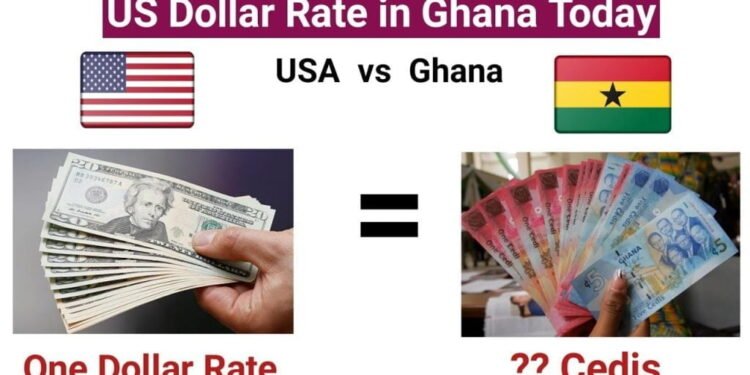
As the Ghana Cedi redenomination attains ‘legal age’, it appears to be making a resounding history as the year 2025 draws near.
Ghana, for the past eighteen years, has witnessed its currency chastised by the major trading currencies, especially the United States dollar. However, the Cedi promises a unique outcome, of which its performance so far has rippled through the economy, pushing the Ghanaian economy above the ditch.
The economy has now leaped from recovery to resilience and is still approaching stability and development. Behind the macroeconomic indicators’ performance stands the Cedi in its strides of glory.
The Ghanaian Cedi has remarkably recovered and strengthened in 2025, reversing significant losses from prior years, driven by strong fiscal and monetary policies, increased forex inflows (gold, cocoa, remittances), and a softening dollar, making it a top African currency despite early third-quarter dips.
Cedi’s Performance Over the Years
For almost two decades, the Ghanaian Cedi has fluctuated in performance and continues to depreciate against the United States dollar with periods of extreme volatility and occasional, short-lived appreciation.
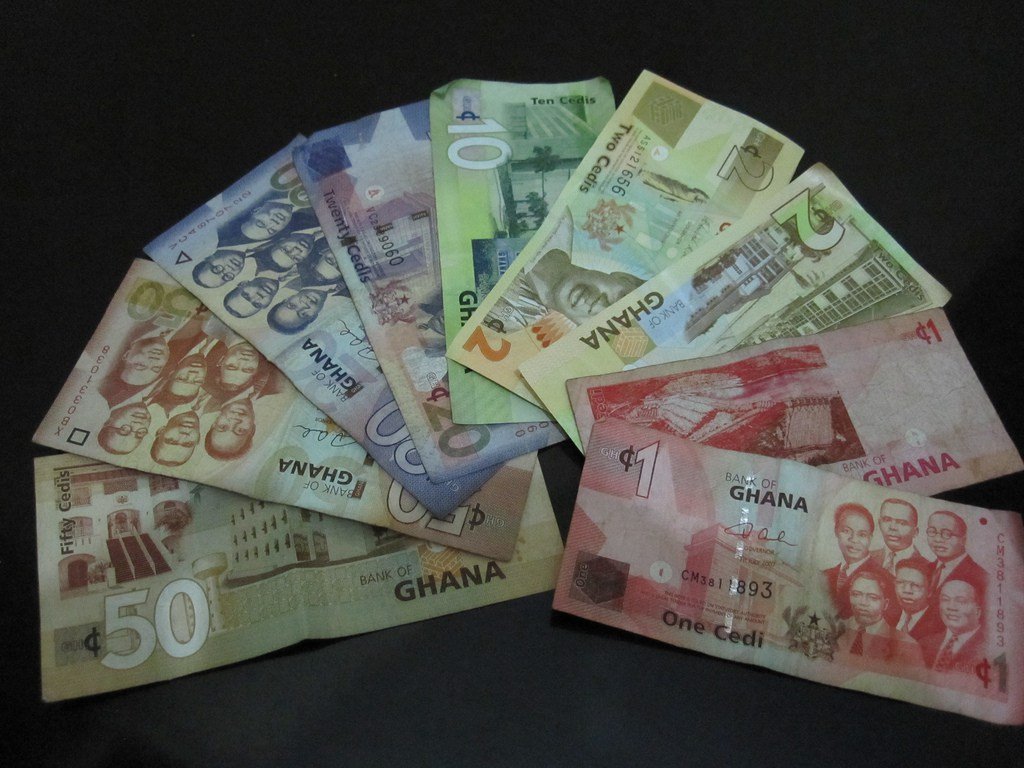
The cumulative annual depreciation has been extensive, though yearly rates have varied widely based on global factors and domestic policies.


In 2009, the Cedi moved from approximately GH¢1.2 to the dollar in 2009 to around GH¢4.2 by the end of 2016. This showed a significant depreciation of 250 percent. Outstanding year-on-year depreciation rate includes a 70.5 percent high in 2013 and 31.3 percent in 2014
The Cedi continued to depreciate annually through 2017 to 2024, with a year-on-year depreciation of 9.7 percent in 2016 and 4.9% in 2017. The Cedi continued to depreciate, albeit at varying annual rates.
In 2022, the Cedi became the world’s worst-performing currency for a time, losing approximately 40.05 percent of its value against the US dollar. Through this extreme volatility, the Cedi reached an all-time low of around GH¢16.4 per US dollar in 2024, about 290.48 percent depreciation from 2016.
Cedi’s Performance in 2025
In late 2024 and early 2025, several experts and institutions projected the Cedi’s performance against the US dollar by the end of 2025. The Economist Intelligence Unit (EIU) projected a rate of GH¢17.23 per US dollar by the end of 2025, following an estimated GH¢16.07 at the end of 2024.

Databank Research also expected the Cedi to close 2025 around GH¢17.70 to the dollar, with a potential deviation of ± GHp20. Absa Bank also estimated the cedi would return to GH¢14.00 per dollar by the end of 2025.
Fitch Solutions initially predicted the Cedi would end 2025 at GH¢15.50 to the dollar, with an annual average of GH¢15.30. The Firm later revised the end-of-year forecast to GH¢ 13 per dollar in June 2025, and then, in October, made a general statement showing continued currency strength.
According to Fitch, its revised analysis reflects improving economic stability in Ghana, including falling inflation, strong gold prices, and increased gross international reserves, which bolstered the Cedi’s performance against earlier forecasts.
However, the cedi’s performance in 2025 has been robust, driven by a combination of strong policy measures and favorable external conditions, including tight monetary policy, fiscal discipline, significant foreign exchange inflows from record gold and cocoa exports, and the successful progress on external debt restructuring. By the end of the first half of 2025, the cedi had appreciated by an astonishing 42.6 percent against the US dollar, making it the best-performing currency globally.
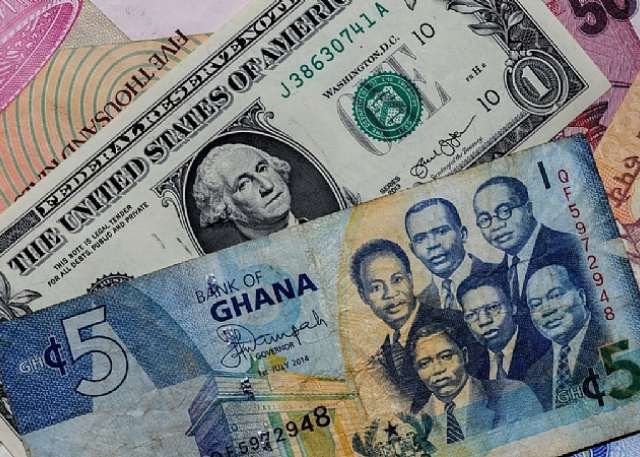
The appreciation eased in the third quarter of 2025, which the Bank of Ghana attributed to the cedi shedding some gains due to factors like a pick-up in imports and reduced foreign exchange supply interventions. The Cedi, yet still, remains strong overall.
Economic Impact of the Prolonged Appreciated Cedi
A stronger Cedi has reduced imported costs, especially fuel and consumer products, which in turn supported the drastic drop in inflation and the cost of living for households. The historic decline in inflation in this period, according to the IMF, is due to the Cedi’s stability.
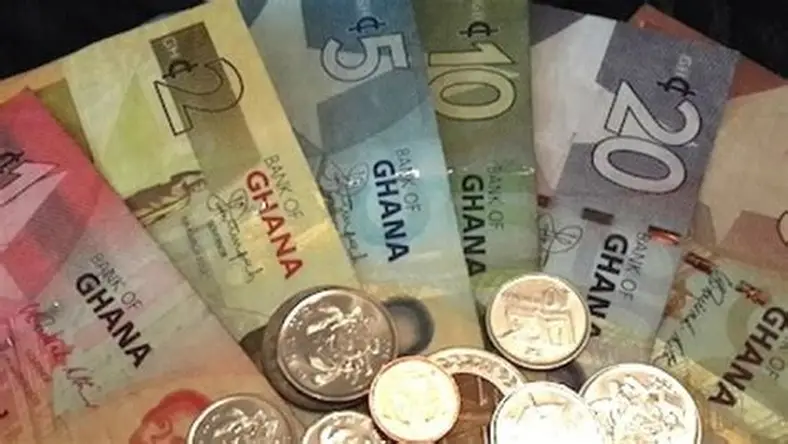
According to the Minister of Finance, Dr Cassiel Ato Forson, the appreciated Cedi eased Ghana’s external debt burden, which by the end of 2024 stood at US$28 billion. This freed up fiscal space in the government’s budget for development spending and has improved the country’s debt sustainability outlook.
Businesses, particularly importers and manufacturers who rely on imported inputs like pharmaceuticals, have expressed confidence in the economy as input costs have reduced. The stable exchange rates enhanced pricing predictability and boosted overall investor confidence, encouraging medium-term investment planning.
The Bank of Ghana also alluded that the currency’s forte and improved foreign exchange inflows have allowed for international reserves buildup, creating a stronger buffer against potential future external shocks, and reducing the need for heavy market interventions.
According to the Bank, the appreciation of the cedi, driven by tight monetary policy, fiscal discipline, increased gold and cocoa export earnings, and an IMF program, has ensured the current economic growth and resilience.
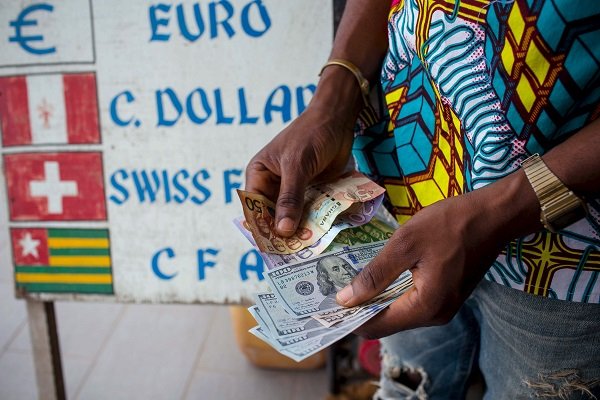
The Ghanaian Cedi, as of now, is well on a victorious course to making history, recording its first annual appreciation against the US dollar since its redenomination in 2007. Over the eighteen years, its annual depreciation record is 20.9, 15.4, 1.5, 8.3, 15.9, 12.8, 41.8, 15.7, 9.7, 4.9, 8.4, 12.9, 3.9, 4.1, 30.0, 27.8, 19.2 percent, respectively, from 2008 to 2024.
Over the past month, the Ghanaian Cedi has weakened by 4.68 percent, but it is up by 21.68 percent over the last 12 months.
READ ALSO: Bank of Ghana Clears the Air: Non-Interest Banking Open to All, Not Religion-Based