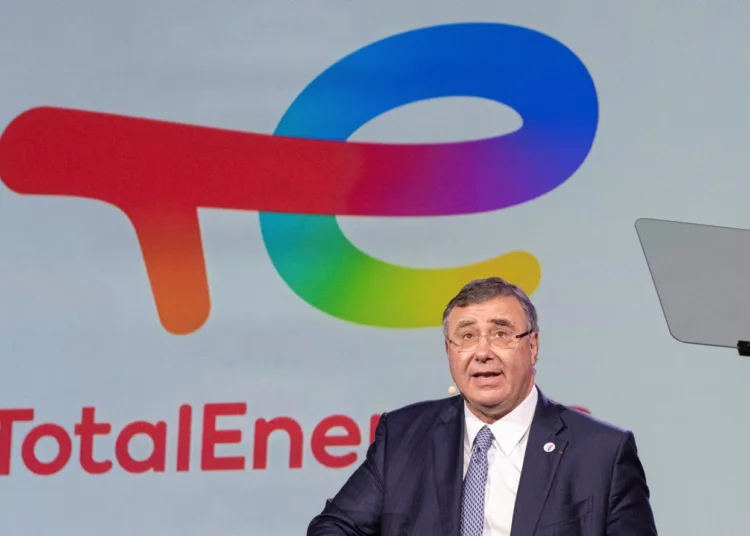
Oil prices are expected to improve next year as global demand remains resilient and supply-side adjustments begin to take effect, according to TotalEnergies Chief Executive Officer Patrick Pouyanné.
Speaking to Bloomberg, the energy executive expressed confidence that a combination of healthy consumption growth and coordinated supply responses will help stabilise oil markets after recent weakness.
“Demand continues to grow,” Pouyanné said, adding that he trusts oil-producing nations to act if prices fall too far. “I trust also OPEC countries to manage the situation,” he noted, pointing to the group’s history of intervening when market conditions threaten price stability.
His comments come at a time when oil markets have been under pressure, with benchmark prices slipping to levels not seen in months.
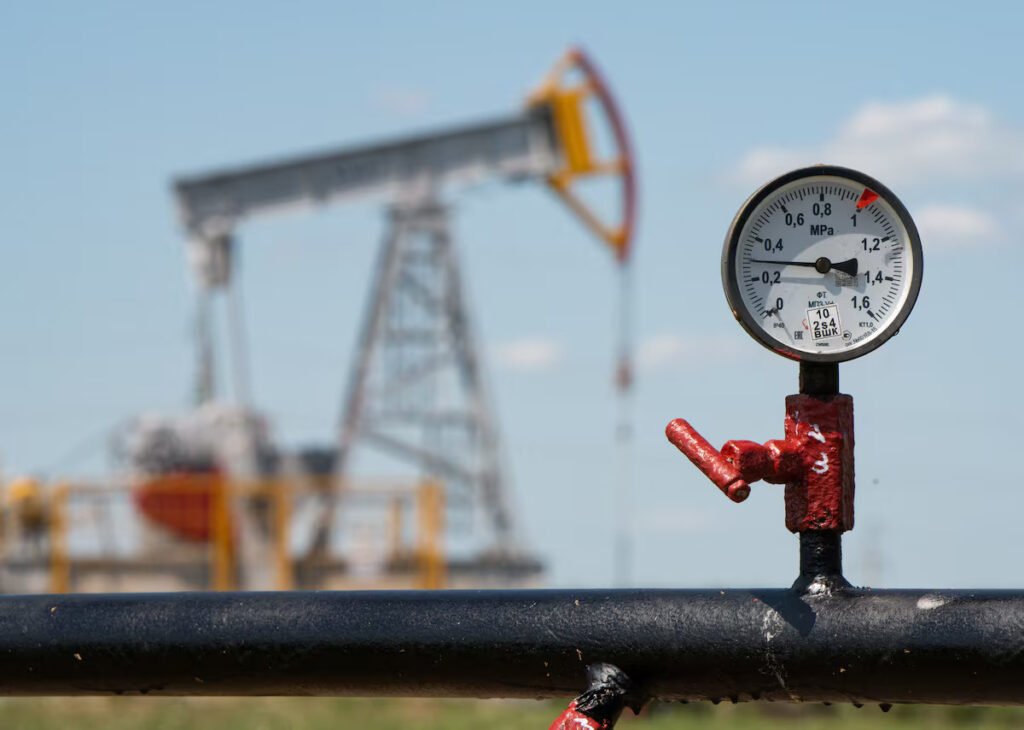
Brent crude fell below the $60-per-barrel mark for the first time in months, while both Brent and U.S. benchmark West Texas Intermediate are on track to record annual declines. The slide has been driven by concerns over a potential supply glut and softer-than-expected demand growth in key economies.
Prices saw a modest rebound earlier in the day after former U.S. President Donald Trump declared what he described as a “blockade” on tankers carrying Venezuelan crude. Despite that geopolitical jolt, the broader market narrative of oversupply has continued to weigh on sentiment.
Middle Eastern crude grades have also shifted into contango, a market structure in which near-term prices are lower than contracts dated further into the future.
While often seen as a sign of excess supply in the short term, contango can also indicate expectations of tighter markets ahead.
OPEC and U.S. Producers in Focus
Pouyanné suggested that market forces and producer discipline would work together to restore balance. In addition to OPEC’s role, he pointed to the responsiveness of U.S. shale producers, who have historically adjusted output in response to price movements.
U.S. producers “will also adjust their production to boost prices,” he said, indicating that lower prices could curb drilling activity and slow supply growth.
Such adjustments, combined with OPEC’s output management, could help absorb excess supply and support prices over the medium term.
Market analysts say these dynamics are critical as the oil industry navigates a period of uncertainty marked by geopolitical tensions, energy transition pressures and uneven global economic growth.
While current prices reflect near-term oversupply concerns, the contango structure in oil markets suggests a different outlook further down the curve.
This pricing pattern aligns with Pouyanné’s view that demand growth and producer discipline will ultimately rebalance the market. If consumption continues to rise and investment remains cautious, particularly in higher-cost projects, the surplus weighing on prices could gradually dissipate.
A Bearish Outlook for Natural Gas
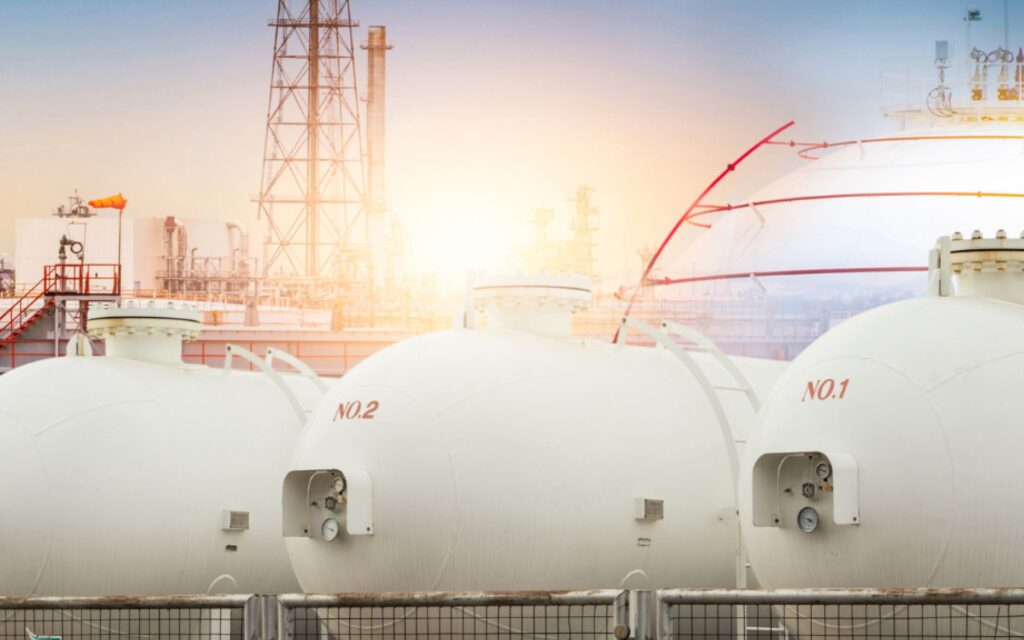
In contrast to his relatively optimistic view on oil, Pouyanné struck a more cautious tone on natural gas. He warned that a wave of new liquefaction capacity expected to come on stream within the next two years could lead to lower prices.
He pointed to major projects in the United States and Qatar that are set to significantly expand global liquefied natural gas (LNG) supply.
The timing of the new supply, analysts say, could intensify competition among exporters and put downward pressure on prices, even as Europe seeks alternative sources of gas.
Bloomberg also reported that gas prices in Europe have fallen to their lowest levels in more than a year, supported by ample supply and relatively subdued demand. However, the region still faces challenges in meeting storage targets ahead of peak winter demand.
EU-wide gas storage levels currently stand at 69.3 percent, while Germany’s storage is at 62.65 percent. Both figures are significantly lower than seasonal norms typically required to ensure supply security during the coldest months of the year.
The shortfall highlights the delicate balance facing Europe as it navigates energy security concerns, price volatility and the transition away from Russian gas.
READ ALSO: Economist Attributes Ghana’s Persistent Debt to Deep-Seated Structural Deficiencies