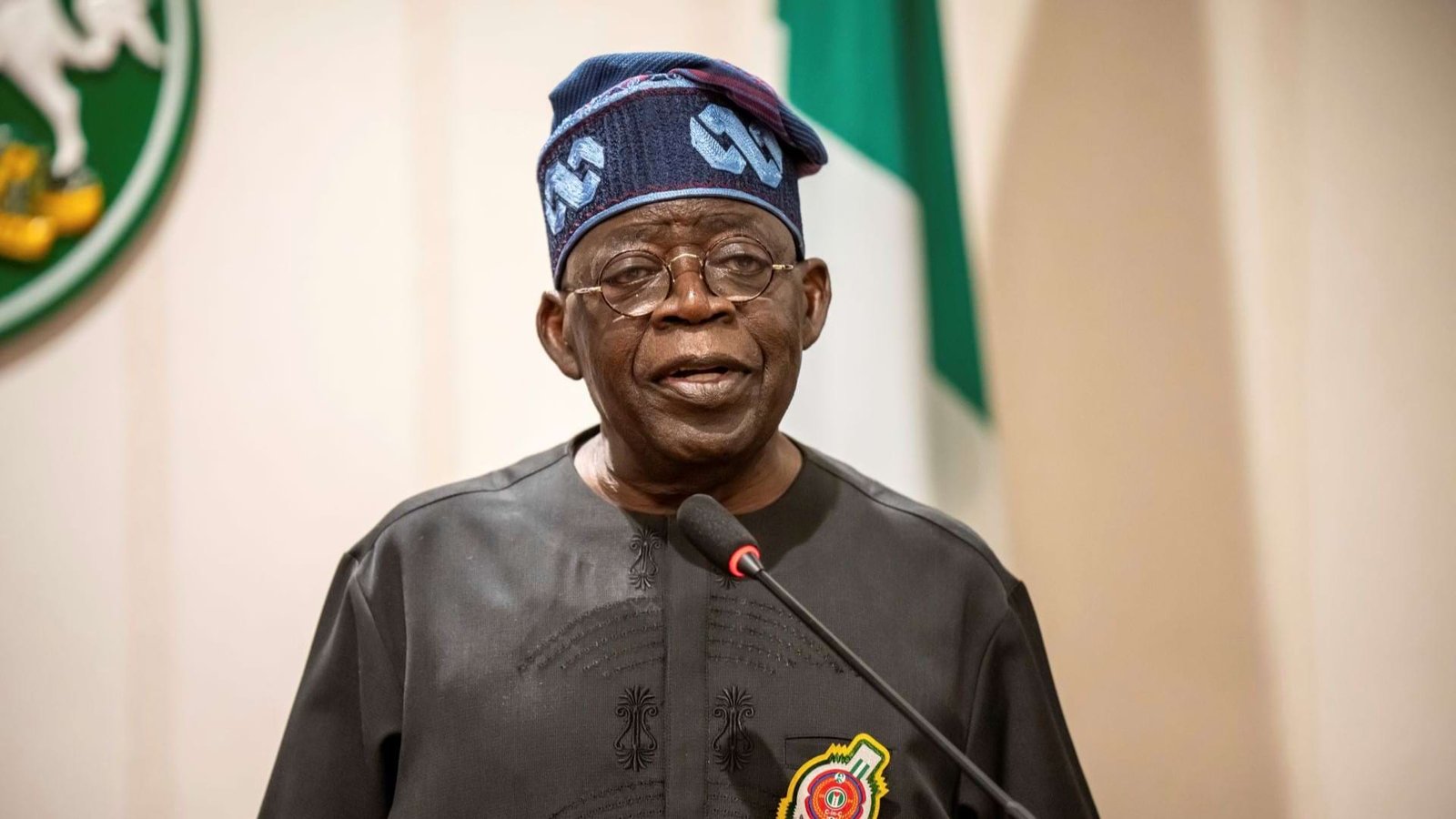
Nigeria’s fiscal position has come under renewed strain as newly released budget data reveal that debt servicing and personnel costs have consumed more than the federal government earned in the first seven months of 2025.
Despite repeated assurances by President Bola Tinubu that revenue targets had been met and borrowing curtailed, figures from the 2026 to 2028 Medium-Term Expenditure Framework and Fiscal Strategy Paper paint a far more troubling picture.
According to the data, aggregate federal revenue between January and July 2025 amounted to N13.67 trillion. Over the same period, spending on domestic and foreign debt service alongside salaries and wages reached N14.32 trillion. In effect, every naira earned by the government was absorbed by past obligations and payroll, leaving no fiscal space for investment and basic development priorities.
Revenue Targets Missed by a Wide Margin
The shortfall between ambition and reality is stark. During the first seven months of the year, the federal government missed its prorated revenue target by N10.19 trillion, representing nearly 43 percent. This gap sits uneasily with claims made earlier in the year that Nigeria had already achieved its full-year revenue goal by August and would no longer need to borrow to fund the budget.
For investors and multilateral partners, the discrepancy raises questions about policy credibility and the sustainability of ongoing economic reforms. The MTEF figures do not corroborate official optimism and instead highlight a fiscal framework still heavily exposed to volatility and structural weaknesses.
Oil Revenue Collapse Remains Central Problem
Oil continues to dominate Nigeria’s fiscal outcomes, and its underperformance remains the primary driver of the revenue crisis. In the first seven months of 2025, oil revenue reached just N4.64 trillion, barely 38 percent of the prorated target of N12.25 trillion. The resulting shortfall of N7.62 trillion accounted for the bulk of the overall revenue gap.


Other oil-linked inflows also disappointed. Dividends from entities such as Nigeria Liquefied Natural Gas and development finance institutions came in at N104.64 billion against an expected N428.71 billion. Royalties tied to oil prices recorded no inflows at all during the period, underscoring how upstream production challenges have rippled across public finances.
There were modest bright spots in the non-oil economy. Company income tax slightly exceeded expectations, reaching N2.54 trillion against a prorated target of N2.49 trillion. Value added tax collections also outperformed by about 11 percent, reflecting resilience in parts of the domestic economy and improvements in tax administration.
However, these gains were insufficient to offset broader weaknesses. Customs receipts fell nearly 40 percent short of target, while federation account levies dropped by more than 70 percent. As a result, Nigeria’s revenue mix is only marginally less oil-dependent and remains highly vulnerable to shocks in the energy sector.
Spending Cuts Hit Investment, Not Recurrent Costs
On the expenditure side, the most striking feature of the data is rigidity rather than excess. Total federal spending between January and July stood at N20.40 trillion, well below the prorated budget of N32.08 trillion. Yet the burden of adjustment fell overwhelmingly on capital expenditure rather than recurrent obligations.
Recurrent spending came in close to plan, missing its target by just 3.7 percent. Capital expenditure, by contrast, collapsed to barely a quarter of what had been budgeted for the period. Debt service alone consumed N9.81 trillion, overshooting its prorated allocation by 17.5 percent. Foreign debt service was particularly heavy, reflecting the impact of currency depreciation on external obligations.
The implications for public investment are severe. Aggregate capital expenditure for the first seven months of 2025 reached only N3.60 trillion, compared with a prorated budget of N13.67 trillion, a shortfall of nearly 74 percent. Releases to ministries and agencies for capital projects were especially weak, with just N834.80 billion disbursed against a target of N10.81 trillion.
In practical terms, this means that roads, power projects, schools and hospitals planned for 2025 have barely moved beyond the planning stage. Pensions and gratuities were sharply underfunded, overheads were slashed, and service-wide votes saw cuts of more than 90 percent as resources were diverted to meet debt and wage obligations.
Debt Burden Clouds Reform Agenda
Nigeria’s debt burden continues to loom large. In 2024, debt service absorbed 77.5 percent of federal revenue. In the first seven months of 2025, it has already reached nearly 72 percent. While the country’s debt-to-GDP ratio remains moderate by international standards, its exceptionally narrow revenue base makes servicing costs disproportionately heavy.
For markets, the concern is not immediate default but opportunity cost. When nearly all revenue is pre-committed to past obligations and payroll, the government’s capacity to invest, respond to shocks or support reform is severely constrained. This reality undermines confidence in medium-term growth prospects and complicates efforts to attract private capital.
Politically, the figures pose a challenge for an administration that has staked its legitimacy on economic reform. Fuel subsidy removal, exchange rate liberalisation and tax reforms were presented as painful but necessary steps to restore fiscal health. Yet the MTEF data suggest that the payoff has so far been elusive.
As Nigeria prepares for its next budget cycle, policymakers face difficult choices. Options include raising taxes more aggressively, accelerating asset sales, renegotiating debt terms or accepting continued underinvestment. The MTEF itself acknowledges the constraints, warning that high servicing costs and limited fiscal space are crowding out spending on health, education and infrastructure.
READ ALSO:Afenyo-Markin Slams Troubling Pattern in Kpandai as Justice Brew Misses Ruling Date