Ghana has recorded a significant fiscal achievement with the early settlement of a US$709 million Eurobond payment, reinforcing government efforts to restore macroeconomic stability and investor confidence.
The payment, confirmed by the Ministry of Finance, was processed on December 30, 2025, ahead of its scheduled due date. Officials describe the move as a clear demonstration of renewed discipline in public finance management and a strong signal of Ghana’s commitment to responsible debt servicing.
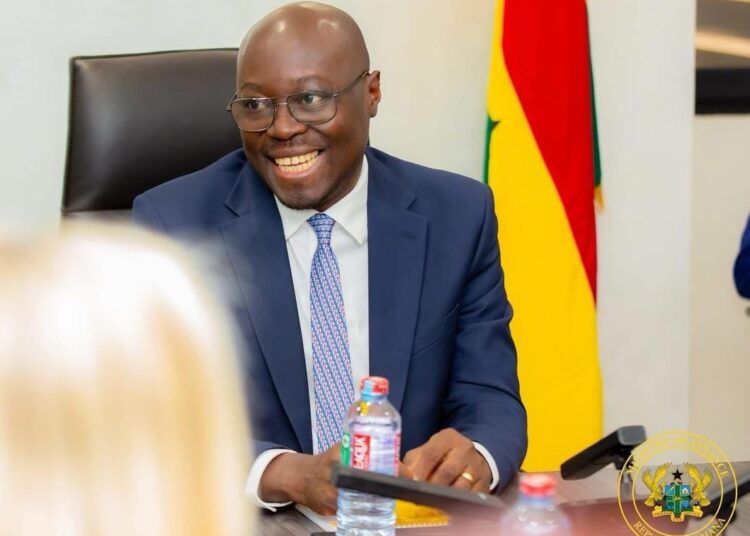
Finance Minister Dr. Cassiel Ato Baah Forson characterized the early settlement as a critical step in the country’s broader economic recovery agenda. According to him, timely and transparent debt repayment remains central to rebuilding trust with both domestic and international investors after years of fiscal stress.
Strengthening Fiscal Credibility and Market Confidence
The early Eurobond payment comes at a time when Ghana is gradually emerging from a challenging debt restructuring period. By honoring its external obligations ahead of schedule, the government aims to reassure creditors that the country is regaining control over its public finances.
The Ministry of Finance noted that such actions help reinforce Ghana’s reputation as a reliable sovereign borrower, a status that is vital for accessing international capital markets on favorable terms in the future.
Dr. Forson emphasized that disciplined servicing of obligations is not merely symbolic but a practical foundation for economic recovery. He stated that consistency in meeting debt commitments sends a positive signal to markets and development partners, especially as Ghana continues to implement reforms under its agreed debt restructuring programme.
With the latest US$709 million settlement, Ghana’s total Eurobond payments for 2025 now stand at approximately US$1.4 billion. Earlier in the year, the government made two separate payments of US$349.52 million each, in line with the terms agreed with creditors. These payments collectively underscore a deliberate strategy to normalize debt servicing while balancing fiscal pressures.
The Ministry of Finance explained that the structured approach to repayments reflects careful planning and prioritization. Rather than delaying obligations, the government opted to meet them early where possible, reducing uncertainty and strengthening confidence in Ghana’s debt management framework.
Commitment to Reforms and Revenue Mobilisation
Beyond debt payments, the government has reiterated its commitment to intensifying economic reforms aimed at ensuring long term sustainability. Dr. Forson highlighted domestic revenue mobilisation as a key pillar of this strategy, stressing the need to broaden the tax base and improve compliance without stifling economic activity.
Public financial management reforms are also expected to play a central role. According to the Finance Minister, strengthening expenditure controls and enhancing transparency will help prevent a return to unsustainable borrowing patterns. He noted that debt sustainability remains a guiding principle of current fiscal policy, with new borrowing carefully assessed to ensure value for money and economic impact.
Building Fiscal Buffers Without Sacrificing Development
In its statement, the Ministry of Finance outlined plans to strengthen fiscal buffers to better manage future debt obligations. These buffers are intended to provide a safety net that allows the government to meet its commitments without diverting resources away from critical national development projects.
The government maintains that early debt payments do not come at the expense of social and infrastructure spending. Instead, officials argue that improved fiscal discipline creates room for more predictable and efficient allocation of resources to priority sectors such as health, education, energy, and transportation.
Dr. Forson extended appreciation to Ghanaians for their resilience and cooperation throughout the economic stabilization process. He acknowledged that reforms often come with short term sacrifices but stressed that public support has been essential in keeping the recovery programme on track.
The Finance Minister appealed for continued cooperation as additional reforms are rolled out in the coming year. He noted that collective effort remains crucial to consolidating gains and ensuring that economic stability translates into improved living standards for citizens.
Expressing optimism about the future, Dr. Forson stated that the government is firmly focused on making 2026 a transformative year for Ghana’s economy. With debt obligations increasingly brought under control and reforms gaining traction, authorities believe the country is better positioned to pursue growth, job creation, and inclusive development.
READ ALSO: CalBank Defies Market Lull as GSE Inches Higher on Light Gainers Day