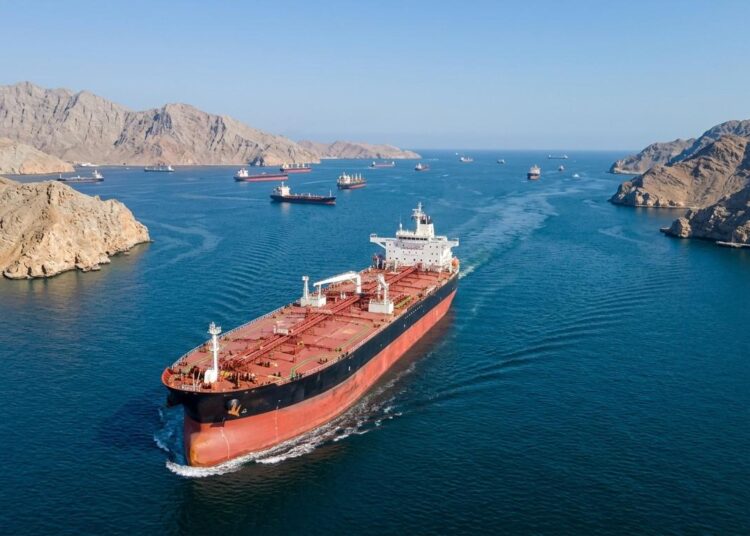
A renewed surge in global oil prices is raising the macroeconomic stakes for Ghana less than two weeks before the Bank of Ghana’s September policy meeting. Brent crude settled at US$104.61 a barrel on Friday after gaining more than 8% over the week, while Saturday brought confirmation that Saudi Arabia had shut its East-West pipeline after drone attacks, adding another threat to global supply. The oil shock the Bank has been monitoring is now an immediate policy risk.
For Ghana, the pressure reaches beyond petrol and diesel prices. Higher international energy costs can widen the petroleum import bill, increase demand for foreign exchange, weaken reserve accumulation and eventually feed into transport, production and consumer prices. That transmission matters at a time when headline inflation is 5.0%, up from 4.6% in July but still below June’s 5.3%. The issue is whether a persistent energy shock interrupts the broader disinflation process.
The economy enters this shock with meaningful buffers. Gold exports reached US$12.50 billion in the first half of 2026, helping lift the merchandise trade surplus to US$8.81 billion and the current-account surplus to US$5.10 billion. Yet gross international reserves fell from US$13.8 billion at end-December to US$12.9 billion at end-June, with the Bank attributing the decline partly to elevated energy-related payments. The question is how much pressure a prolonged oil shock can place on them.
Crude Above US$100 Changes the Inflation Risk
The timing is important because Bank of Ghana policymakers had already identified crude prices as a major upside risk to inflation. At the May Monetary Policy Committee meeting, one member considered a scenario in which crude remained above US$100 through the third quarter and warned that “inflation jumps to above 10 percent by the end of the year.” That was an individual member’s risk scenario, not the Bank’s official central forecast, but global prices have now moved into the range that prompted the warning.
The July Committee was more measured, maintaining the Monetary Policy Rate at 14% while judging that inflation would rise gradually towards the medium-term target band. It nevertheless said escalating Middle East tensions and higher crude prices presented upside risks. With August inflation at 5.0%, Ghana still has considerable distance from double-digit inflation, but the direction and persistence of the energy shock now matter more than a single CPI reading.
The Oil Bill Can Absorb Export Gains
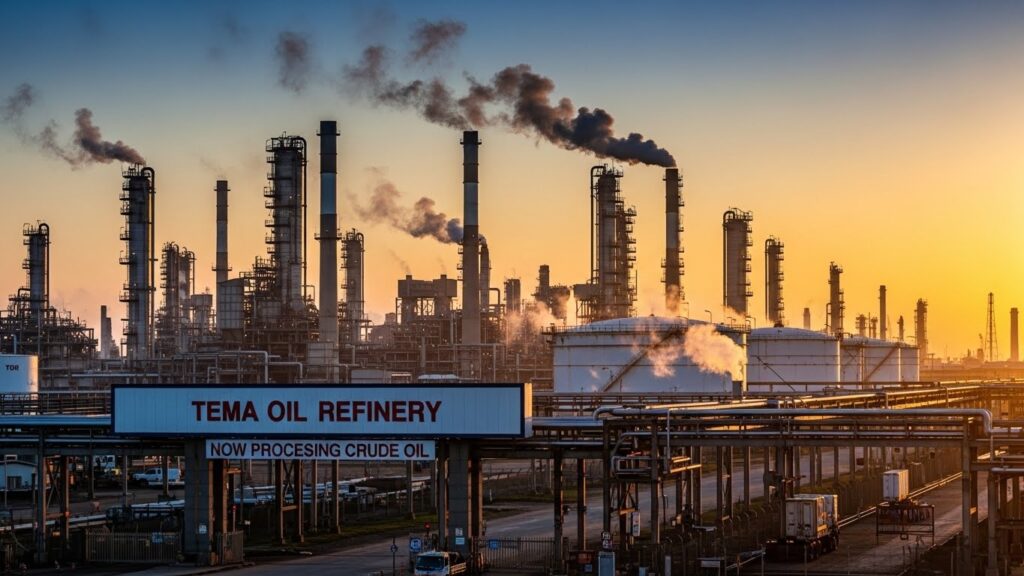
Ghana’s external accounts show why. Bank of Ghana data show that oil imports rose 39% to US$3.35 billion in the first half of 2026, while crude-oil export earnings reached US$1.71 billion. The oil import bill was therefore nearly twice Ghana’s crude-export receipts over the period.
The increase occurred before the latest move above US$100 became entrenched. If international prices remain elevated, the same volume of fuel can require more dollars to finance. That is the mechanism behind the trade-surplus and reserve divergence already visible in Ghana’s external accounts: strong gold and cocoa receipts improve the trade balance, while energy and other external payments simultaneously absorb part of the foreign-exchange windfall.
The Cedi Forms a Second Transmission Channel
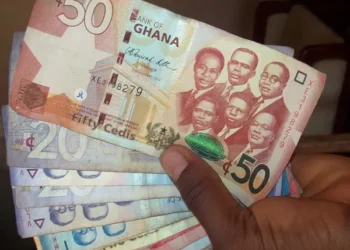
The exchange rate determines how strongly the international oil shock reaches domestic costs. The Bank of Ghana’s weighted median rate closed at GH¢11.4615 to the US dollar on 11 September, compared with an end-August interbank rate of GH¢11.25. The movement is modest, but it illustrates why oil and the cedi cannot be analysed separately.
A stronger currency can absorb part of a rise in dollar-denominated fuel costs. A weaker currency can amplify it by increasing the cedi cost of the same shipment. Higher energy-related dollar demand can also make reserve management more demanding if the central bank needs to smooth excessive foreign-exchange volatility.
The Bank still regards the reserve position as adequate. At US$12.9 billion, reserves covered about five months of imports at end-June, and the July MPC said they provided “adequate buffers for the economy to withstand external shocks.” The issue is how quickly those buffers can be rebuilt when oil payments are rising at the same time.
September MPC Faces Harder Trade-Off
The shock now arrives directly in front of the 22 to 24 September MPC meeting, with the policy decision due on 24 September. The Committee held the policy rate at 14% in July, balancing low headline inflation against rising energy prices, firmer inflation expectations and foreign-exchange demand. Since then, inflation has remained below the Bank’s 6% lower target bound, but crude prices have moved materially higher.

That makes the next decision less straightforward. The 5% inflation rate strengthens the case for easier monetary conditions, while a sustained oil shock argues for caution because monetary policy must respond to future inflation, not only the latest published rate. The Bank will also have to judge whether pressure from oil is temporary or persistent enough to alter inflation expectations and the exchange-rate outlook.
Ghana is not entering the episode from a position of external weakness. Strong gold exports, a large trade surplus and five months of import cover provide room to absorb shocks. But the latest oil surge is testing exactly the channels the Bank has identified: import costs, foreign-exchange demand, reserves and inflation. How long crude remains above US$100 may now matter as much for Ghana’s next phase of disinflation as the August CPI figure itself.
READ ALSO: IEA Warns Of Tighter Oil Market, Ghana Faces Fuel Pressure