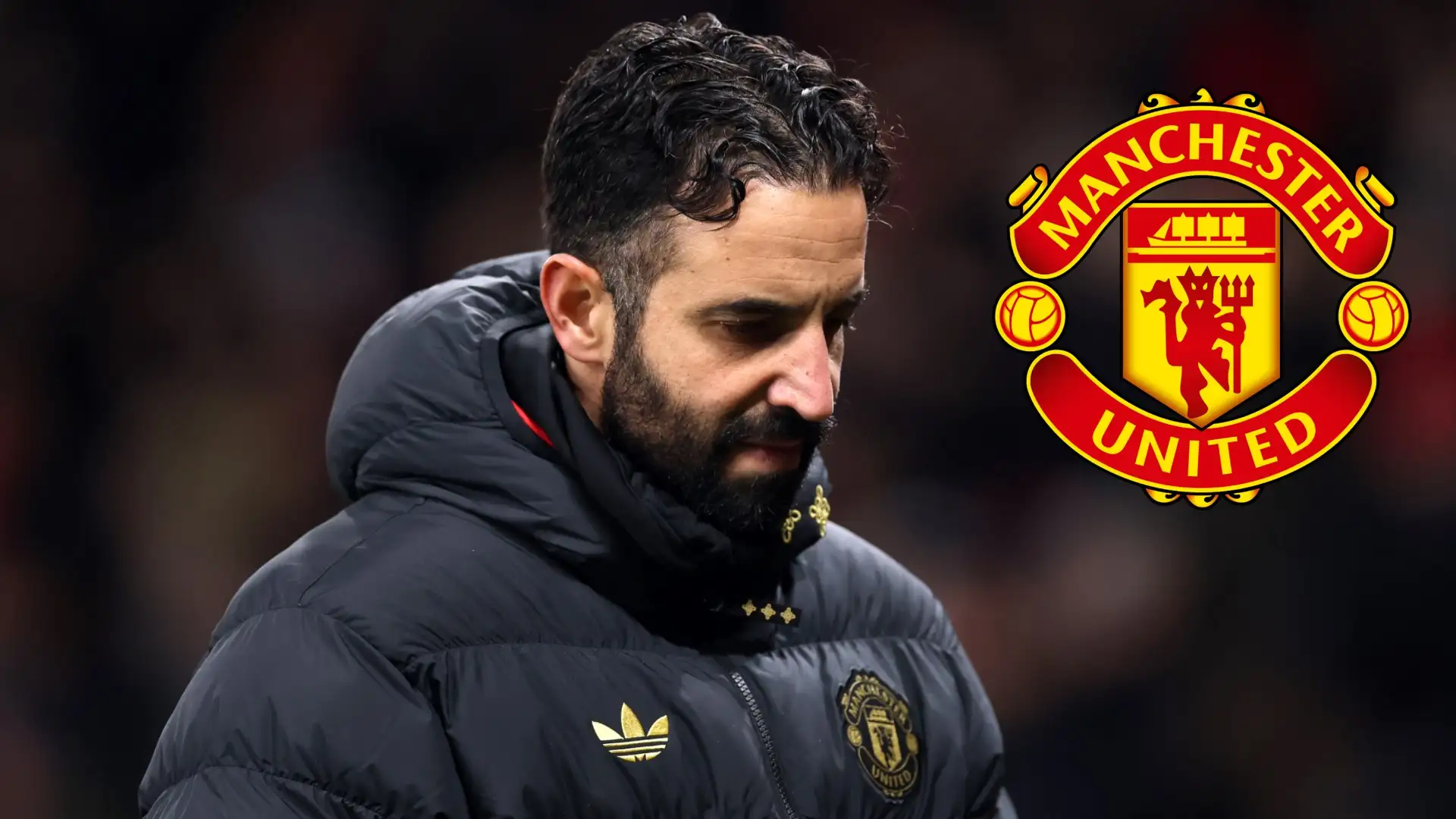
Manchester United have dismissed head coach Ruben Amorim in a surprise decision announced on Monday, bringing an abrupt end to the Portuguese manager’s tenure at Old Trafford.
The move comes just 24 hours after United were held to a frustrating draw by relegation-threatened Leeds United, a result that further dented the club’s hopes of mounting a strong Premier League finish.
In a brief statement confirming the decision, the club acknowledged that the change was not taken lightly but was deemed necessary given the team’s current position.
“With Manchester United sitting sixth in the Premier League, the leadership has reluctantly decided it is time to make a change.
“This will give the team the best opportunity for the highest possible Premier League finish.”
Manchester United
United currently trail league leaders Arsenal by 17 points and have managed just one win in their last five league matches, a sequence of results that has increased pressure on the club’s hierarchy to act.
Tense Final Days at Old Trafford
Amorim’s dismissal follows a tense period marked by growing scrutiny and strained relations between the coach and sections of the media.
After Sunday’s draw with Leeds, the 40-year-old reacted sharply to questions about his job security, making it clear that he viewed himself as a manager with authority rather than a head coach merely implementing directives.


He pushed back against suggestions that his position was under threat, accusing reporters of relying on what he described as “selective information” and insisting that he had no intention of stepping aside. The defiant tone of his remarks underlined the frustration that had been building behind the scenes as results failed to improve.
Despite the public show of confidence, sources close to the situation indicate that Amorim felt increasingly isolated and believed he was not receiving the backing he expected from the club’s leadership.
Frustration Over Transfers and Squad Support
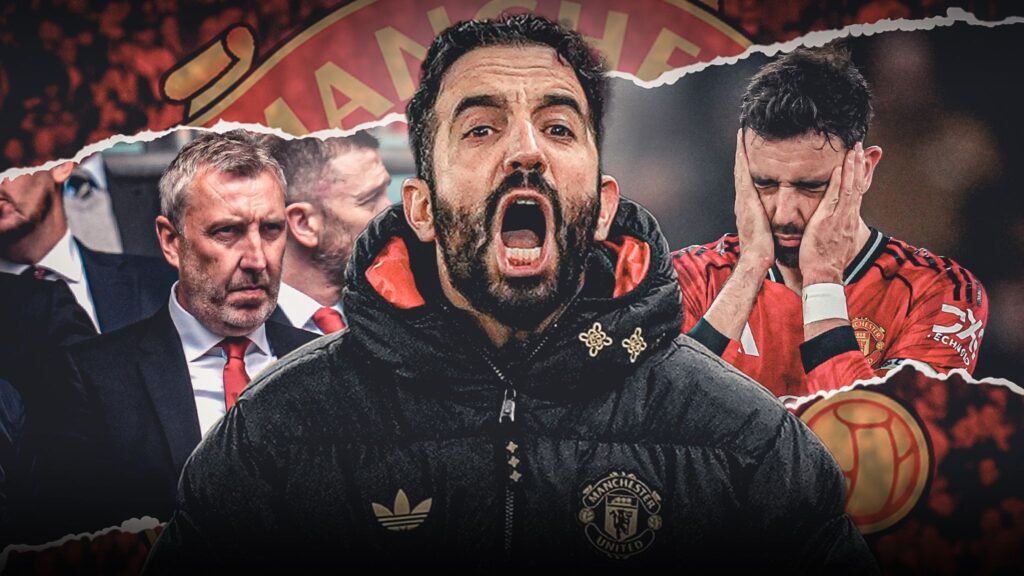
Amorim is understood to be disappointed by the lack of reinforcement in the transfer market, particularly as United struggled for consistency during a congested fixture schedule.
The former Sporting Lisbon boss had remained optimistic that the team’s form would improve, especially with the return of key players from Africa Cup of Nations duty.
He had privately argued that United required one or two experienced additions during the January transfer window, most notably a proven Premier League striker.
That frustration spilled into the public domain shortly before Christmas when Amorim hinted that the resources required to fully implement his preferred system were unlikely to materialise.
“I have the feeling if we have to play a perfect 3-4-3, we need to spend a lot of money and we need time.
“I’m starting to understand that is not going to happen.”
Ruben Amorim
Tactical Shifts and Inconsistency
Amorim’s final weeks in charge were marked by tactical experimentation as he searched for solutions to United’s uneven performances. After persisting with a back three for much of the season, he switched to a back four for the Boxing Day win over Newcastle, offering brief hope of renewed momentum.
However, the adjustment proved short-lived. United reverted to a back three for subsequent fixtures, including a lacklustre 1-1 draw against Wolves, reinforcing perceptions of uncertainty and a lack of clear direction.
Those tactical fluctuations mirrored the team’s broader inconsistency, with strong individual displays often undermined by defensive lapses and a failure to convert chances.
Damning Numbers Seal Amorim’s Fate
Ultimately, the statistics underpinning Amorim’s reign proved difficult to ignore. He won just 24 of his 63 matches in charge across all competitions, a win rate of 38.1 per cent.
That record stands as the worst of any permanent Manchester United manager since Sir Alex Ferguson’s retirement, narrowly above Ralf Rangnick’s return during his short spell as interim boss.
In the Premier League alone, United claimed only 15 wins from 47 matches under Amorim, suffering 19 defeats along the way. His average of 1.23 points per game is the lowest recorded by a United manager in the Premier League era.
The team’s longest winning run under his stewardship was limited to three matches, achieved only once in domestic competition, while Amorim lost exactly a third of all games he oversaw, another unwanted record in the club’s modern history.
Amorim’s departure leaves Manchester United facing yet another managerial transition as they seek stability and clarity in their long-term project.
The club has not yet announced an interim or permanent successor, but attention is already turning to who can revive United’s Champions League ambitions and restore confidence among supporters.
For Amorim, the dismissal brings a premature end to a spell that promised much but ultimately failed to deliver sustained progress. For United, it marks another chapter in a prolonged search for the formula that will return the club to the summit of English football.
READ ALSO: Venezuelan Crude Flows Face Market Frictions, Not Simple US Shift – Energy Chamber Chair