

The global crude oil market is likely to experience a more complex adjustment to Venezuelan supply in early 2026 than widely assumed, according to Mr. Joshua Batsa Narh, Executive Chairman of the Energy Chamber Ghana and a Director at Wingfield Group.
He says prevailing narratives suggesting a straightforward redirection of Venezuelan crude from China to the United States fail to capture the immediate realities shaping global oil flows.
“In Q1 2026, crude flows are more likely to be shaped by three overlapping frictions rather than a single, orderly rerouting.”
Mr. Joshua Batsa Narh, Executive Chairman of the Energy Chamber Ghana and a Director at Wingfield Group
According to Mr. Narh, the most pressing factor affecting Venezuelan crude flows is not distance or shipping time but the complexity of compliance under sanctions regimes. He noted that market participants face significant counterparty and execution risks that directly influence trade decisions.
“Compliance and counterparty risk dominate logistics,” he said, stressing that the real constraint lies in “the ability to lawfully nominate counterparties, secure insurance and financing, and complete discharge without sanctions-related disruption mid-transit.”
This, he explained, introduces uncertainty into trading routes, discouraging aggressive repositioning of barrels until legal and financial clarity improves. As a result, oil traders and refiners are likely to adopt a cautious stance, prioritising risk management over volume optimisation.
China’s Timing Buffer Softens Immediate Impact
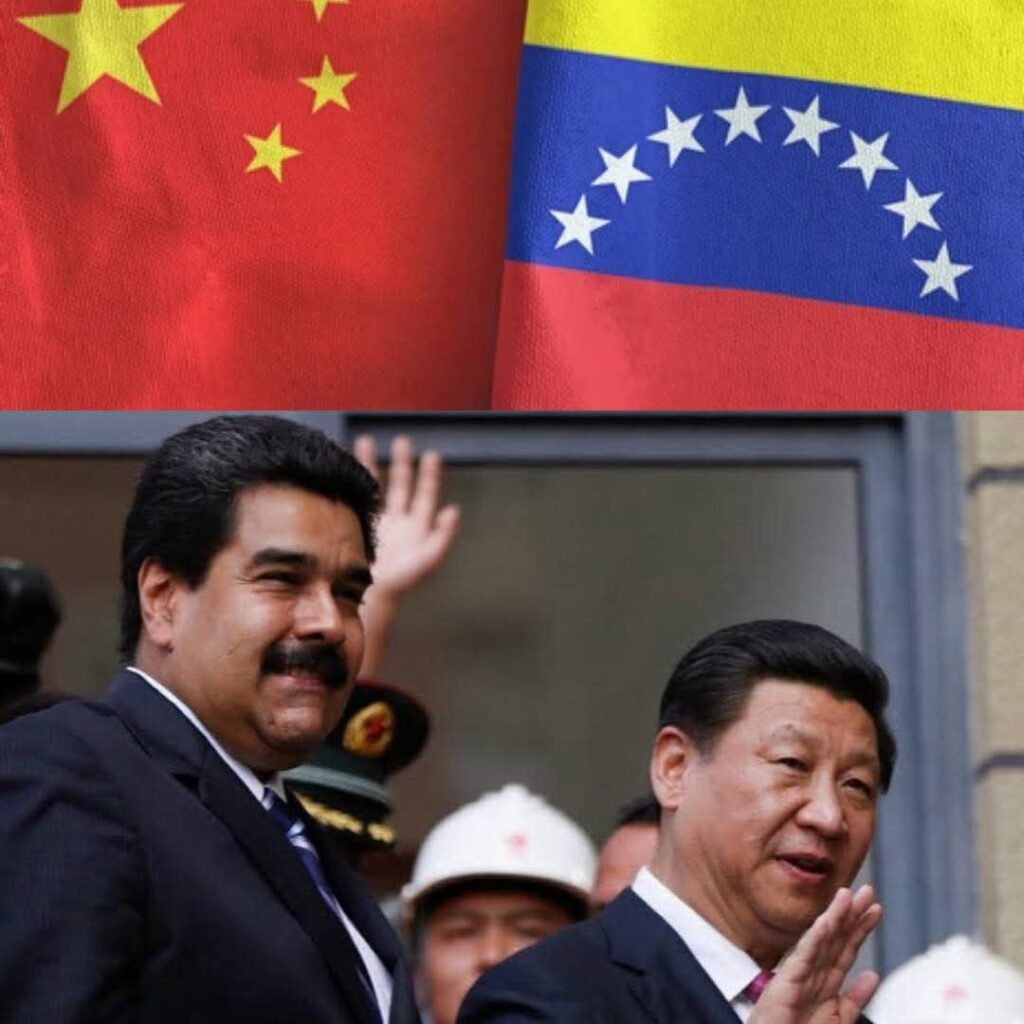
Mr. Narh also highlighted China’s role as a stabilising factor in the short term. He said existing inventories and extended transit chains give Chinese refiners a timing buffer that reduces the urgency of replacing Venezuelan crude.
“Crude already on the water or moving through extended transit chains provides temporary supply cover,” he noted, adding that this allows refiners to delay operational adjustments. Rather than triggering an immediate shortage, the situation initially manifests as pressure on refining margins.
“This dynamic initially reframes the impact as a margin adjustment rather than an immediate volume shortfall,” he explained, suggesting that the first signs of disruption may be felt in profitability rather than throughput.
While some market watchers anticipate that Venezuelan barrels could naturally gravitate toward the US Gulf Coast (USGC), Mr. Narh cautioned that such expectations may be premature.
He said broader macroeconomic conditions, including surplus global supply, weaken the case for a clear beneficiary. “A USGC windfall is far from assured,” he stated. In his view, upside in the current environment depends less on redirected volumes and more on market volatility and replacement economics.

“In a macro environment characterized by surplus supply, upside is driven by relative volatility and prompt replacement economics, not by a straightforward redirection of barrels.”
Mr. Joshua Batsa Narh, Executive Chairman of the Energy Chamber Ghana and a Director at Wingfield Group
He explained that refiners with flexibility to switch between grades may benefit selectively, but this advantage is neither uniform nor guaranteed across the sector.
“If trade flows remain dislocated for four to eight weeks, the critical question for a boardroom conversation is whether risk is better hedged through outright price exposure or through positioning in heavy-sour crude differentials.”
Mr. Joshua Batsa Narh, Executive Chairman of the Energy Chamber Ghana and a Director at Wingfield Group
Implications for Emerging Markets
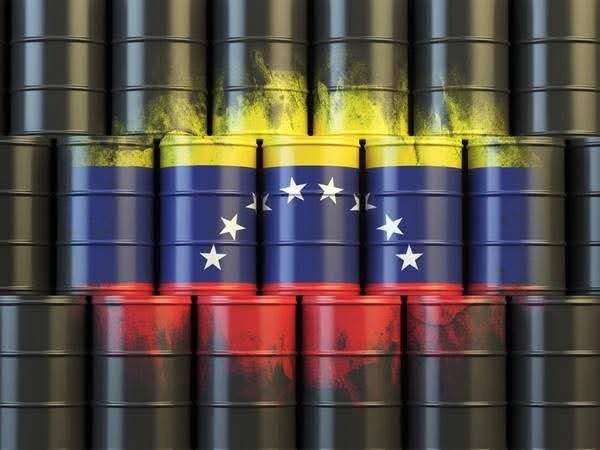
Although his comments focused on global oil flows, Mr. Narh’s analysis carries implications for emerging and frontier markets, including energy-importing countries in Africa.
He noted that volatility in heavy-sour crude pricing can feed through to refined product costs, influencing fuel prices and fiscal planning.
For Ghana and similar economies, he said understanding these global dynamics is critical for anticipating downstream impacts, particularly where crude quality and pricing benchmarks influence procurement strategies.
Mr. Narh concluded by urging policymakers, investors and industry analysts to move beyond simplistic narratives when assessing shifts in global oil trade. He said the Venezuelan case illustrates how sanctions, timing buffers and market structure interact to shape outcomes.
His assessment reinforces the view that near-term oil market adjustments are increasingly driven by risk management considerations rather than pure supply-demand mechanics.
As the first quarter of 2026 approaches, market participants will be watching closely to see how these overlapping frictions play out, and whether strategic positioning in differentials proves more effective than traditional price exposure in navigating the evolving crude landscape.
READ ALSO: MIIF CEO Vows to Consolidate 2025 Economic Gains as Fund Targets World-Class Status in 2026