The Ministry of Local Government, Chieftaincy and Religious Affairs (MLGCRA) has been the government’s strategy for implementing the 24-Hour Economy policy at the community level, serving as a bridge between the government and the people.
According to Mr. Ahmed Ibrahim, Minister of Local Government, Chieftaincy and Religious Affairs, the fusion of the Ministry of Local Government with the Ministry of Chieftaincy and Religious Affairs marked Ghana’s resurgence in governance, local economic growth, and community cohesion, underscoring integration and shared responsibility in development and policy implementation.
“Together, we [the government and the community] can enhance the role of Chieftaincy and religion in national development, promoting effective local governance and building cleaner, safer, and more resilient communities.”
Mr. Ahmed Ibrahim
The government, therefore, in its strategy of establishing the framework and implementing the 24-Hour Economy, will use MLGCRA to establish community impact. According to the government, it intends to create jobs and improve the lives of the people of Ghana with its initiatives and policies, as inclusive development leads policy implementations.

24-Hour Economy and Local Economic Development
According to Mr. Ahmed Ibrahim, who doubles as a Member of Parliament for the Banda Constituency, boosting the growth and development of the local economy defines the government’s 24-Hour market program.
The market program will expand community market activities in terms of trading time extension, market infrastructure upgrade, efficient waste management, and improve security in the markets and communities through measures like CCTV installations. The government, through the market program, will also enhance digital payment within the community, especially with a partnership among the government, the private sector, and traditional authorities.
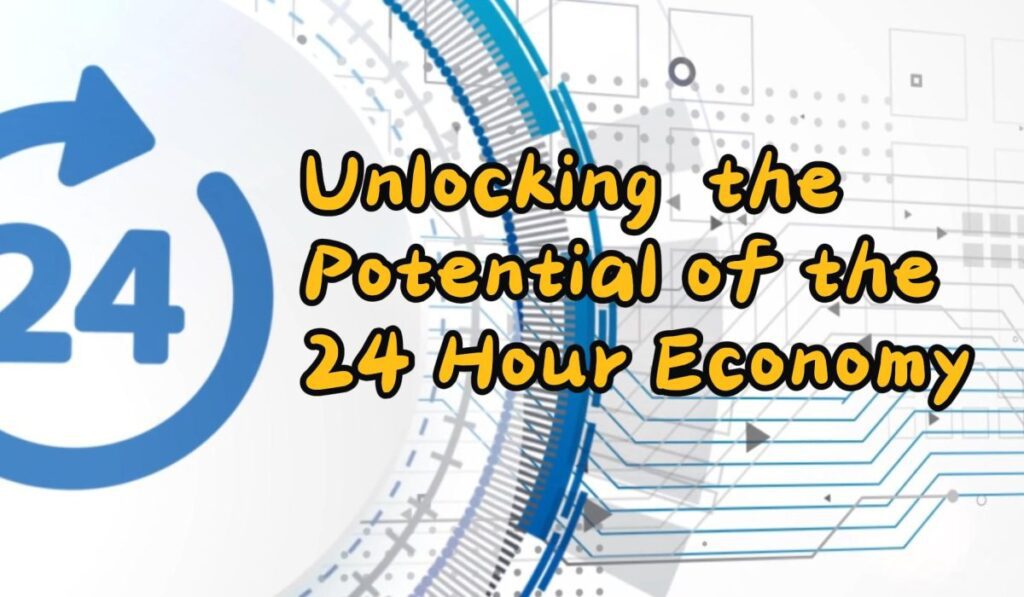
The Minister further expounded that the objective of the initiative is to support the informal sector by providing infrastructure to improve trading activities in community life. The initiative will specifically enhance the income generation of traders in communities, create job opportunities with the women and youth as the focus, and expand sanitation and safety in communities.
The 24-Hour Market Program, Expanding the 24-Hour Economy
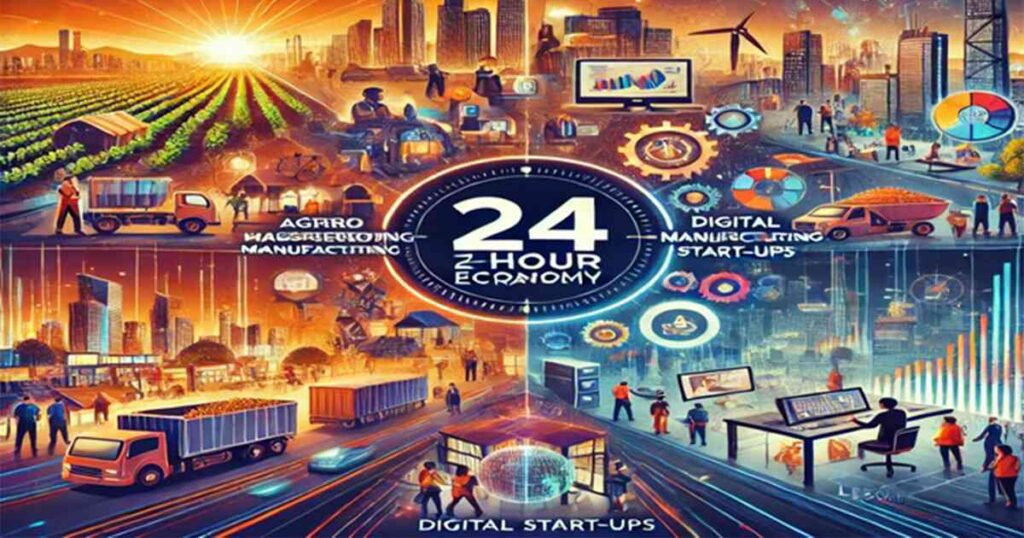
The 24-Hour market program is an extension of the 24-Hour Economy and Accelerated Export Development Program, to make Ghana self-reliant, while ensuring the economy’s global competitiveness, fueled by efficiently working around the clock.
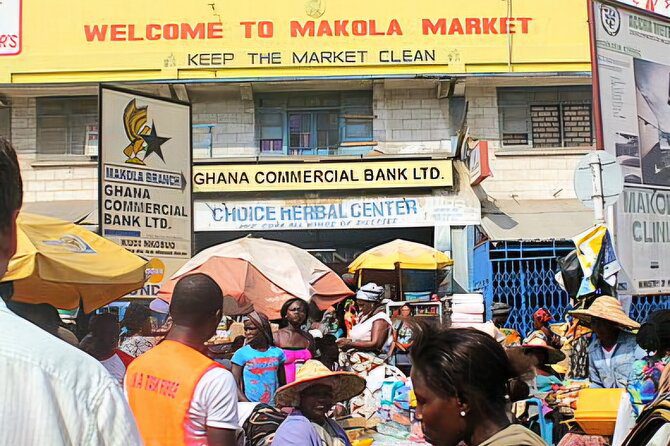
The program is designed to ease overcrowding and trading pressures during daytime hours by extending operations into the night. The program will serve beyond just a trading space to also establish a vibrant economic hub that operates 24/7.
According to MLGCRA, the 24-Hour market program “aligns closely with the government’s Local Economic Development (LED) Policy (2024-2029) to promote infrastructure-led growth, job creation, and inclusive development.”
This full-scale transformation of the local economic landscape will constitute the building of model markets that link efficiently to the government’s Big Push Agenda to ensure the complementarity of the government’s investment infrastructure to boost national productivity, national economic growth, and community development.
Government Assures Support and Commitment
Mr. Ahmed Ibrahim extends the government’s assurance in providing the policy, institutional, and financial assistance for the cohesion of the ministries, the sanitation initiative, and other local development programs in promoting the 24-Hour market program.
The stakeholders, such as traditional leaders, religious leaders, traders, security agencies, and Metropolitan, Municipal, and District Assemblies (MMDAs), are urged by the Hon. Minister to supplement the government’s efforts concerning the 24-Hour market program to build a resilient and inclusive local economy.
On behalf of the Ministry, the Minister again pledged to remain resolute in building the capacity of registrars, traditional council members, and faith-based partners to adapt to the new administration arrangements, with training programs and closer coordination with local assemblies remaining key priorities.
According to Mr. Ahmed Ibrahim, the success of the 24-Hour market program centers on the collective commitment of stakeholders, hence calling for all to “act as catalysts for change, promoting efficiency, transparency, discipline, and harmony” among the Ministry’s subsidiaries.
The government is building bridges, not barriers, the Minister assures, between Ghana’s rich spiritual and cultural heritage and modern governance systems. This is to expand the economy and ensure that growth is inclusive and impacts all in all sectors.
READ ALSO: Dr. Manteaw Urges Support for GoldBod as Key to Ghana’s Mineral Value Retention