The Ghana Tertiary Education Commission (GTEC) has directed the University of Ghana to immediately reverse all fee increases implemented for the 2025/2026 academic year, warning of serious regulatory sanctions should the directive be ignored.
The order follows concerns that the country’s premier public university raised fees and introduced new charges despite an earlier instruction prohibiting such actions across publicly funded tertiary institutions.
In a letter dated January 5, 2026, and addressed to the Vice Chancellor of the University of Ghana, the Commission referenced a prior directive issued on November 3, 2025, which explicitly instructed all public tertiary institutions not to increase fees for the 2025/2026 academic year.
It stressed that any variation in approved fees must receive explicit written authorization from the Minister for Education, a condition it says was not met in this case.
The letter underscored that compliance with fee directives is not discretionary but a statutory obligation binding on all publicly funded institutions.
“Notwithstanding this directive, the Commission has been made aware that the University of Ghana has increased fees by 25% and, in certain instances, introduced new fees without prior approval from the relevant authorities as required by law.
“Informed by this, the Ghana Tertiary Education Commission, by this letter, requests the University of Ghana to do the following:”
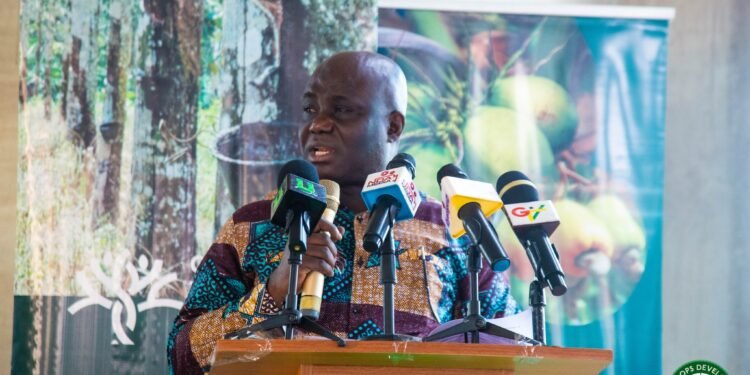
Prof Ahmed Abdulai Jinapor, Director-General GTEC
As part of its corrective measures, the Ghana Tertiary Education Commission instructed the University of Ghana to reverse all fee increases and additional dues with immediate effect.



It further directed the university to credit continuing students who have paid amounts above the previous academic year’s fees toward their next academic year.
For final year students who may not benefit from such credits, the Commission ordered that any excess amounts paid must be refunded.
The directive also covers student related dues beyond tuition and academic facility user fees. The Commission instructed the university to revert all dues, including SRC and GRASSAG dues, to the rates charged in the previous academic year.
In addition, it ordered the suspension of any newly introduced fees, such as anniversary dues or development levies, unless such charges were already in place before the current academic year. Even in those cases, the Commission said the fees must be maintained at last year’s levels.
Deadline for Compliance
The Commission has given the University of Ghana a deadline of January 12, 2026, to submit evidence demonstrating full compliance with the directives.
It warned that failure to do so would compel it to institute what it described as serious regulatory sanctions against the university. While the letter does not spell out the nature of the sanctions, such measures could range from financial penalties to restrictions on certain administrative approvals.
In reinforcing its authority, the Commission reminded the university that any departure from the outlined instructions must be expressly authorized in writing by the Minister for Education.
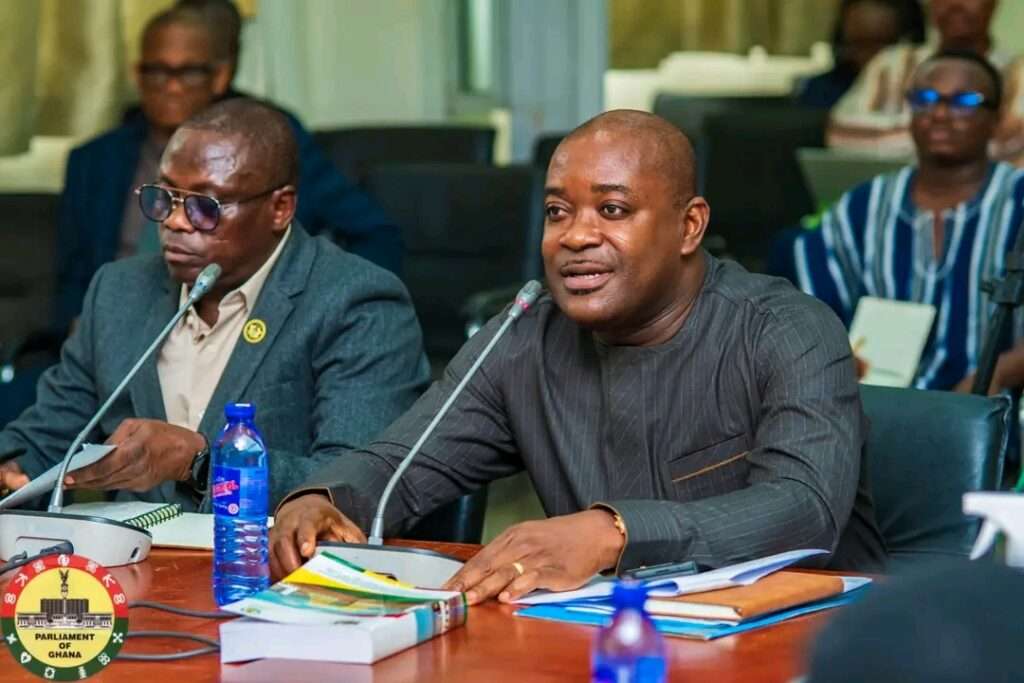
It also named the Deputy Minister for Education, Dr. Clement Apaak, as the liaison between the Ministry and the University of Ghana on the matter, signaling heightened ministerial oversight.
The issue of fee increases in public universities has become a sensitive national concern amid broader economic pressures on households.
Students and parents have repeatedly raised concerns about affordability, particularly in a period marked by efforts to stabilize the economy and ease the cost of living.
The Commission’s firm stance reflects a wider policy direction aimed at protecting access to public tertiary education while ensuring that institutions adhere to regulatory frameworks.
For the University of Ghana, the directive places immediate pressure on its administration to reconcile financial planning with regulatory compliance.
Public universities often cite rising operational costs, infrastructure maintenance, and service delivery demands as justification for fee adjustments.
However, the Commission’s position emphasizes that such challenges must be addressed within approved processes and broader national policy considerations.
The letter was copied to several key stakeholders, including the Minister and Deputy Minister for Education, the Chairman of Parliament’s Select Committee on Education, the Auditor General, the Chairman of Vice Chancellors Ghana, and the university’s internal audit director.

This wide circulation suggests an intention to ensure transparency and accountability in the resolution of the matter. As the January 12 deadline approaches, attention will be focused on how swiftly and comprehensively the University of Ghana responds.
The outcome is likely to set an important precedent for fee regulation across public tertiary institutions, reinforcing the authority of the Ghana Tertiary Education Commission and shaping future interactions between regulators and universities.
READ ALSO: Venezuelan Crude Flows Face Market Frictions, Not Simple US Shift – Energy Chamber Chair