The United States has announced its withdrawal from 66 international organizations, marking a sweeping shift in its engagement with multilateral institutions under President Donald Trump.
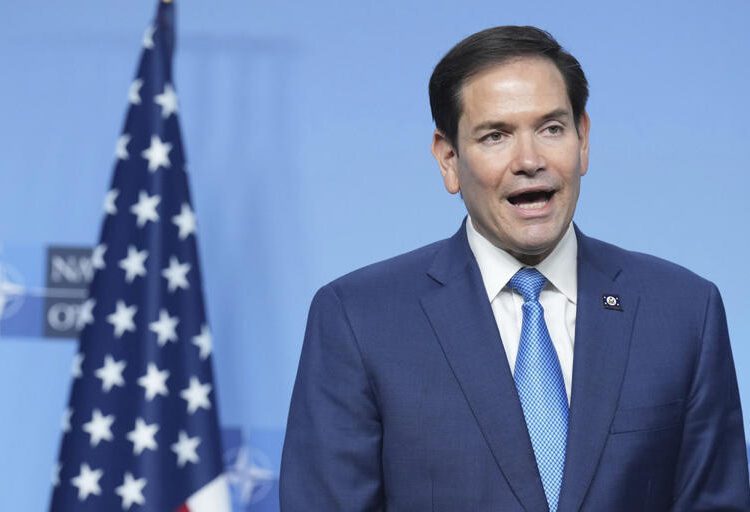
The decision, outlined in a press statement issued by US Secretary of State Marco Rubio, follows a comprehensive review mandated by Executive Order 14199, which directed the administration to assess US participation in international organizations, conventions, and treaties.
The withdrawal reflects the Trump administration’s conclusion that many international bodies no longer serve American interests and, in some cases, actively undermine them.
Rubio said the organizations identified in the review were found to be “redundant in their scope, mismanaged, unnecessary, wasteful, poorly run,” or captured by interests that advance agendas contrary to those of the United States. He added that some posed a direct threat to US sovereignty, freedoms, and prosperity.
President Trump, Rubio said, has been unequivocal in his position that continued financial and diplomatic support for such institutions is no longer acceptable.
“It is no longer acceptable to be sending these institutions the blood, sweat, and treasure of the American people, with little to nothing to show for it. The days of billions of dollars in taxpayer money flowing to foreign interests at the expense of our people are over.”
Marco Rubio
According to a memorandum issued by Trump, the withdrawal decision follows the submission of a report by the Secretary of State, prepared in consultation with the US representative to the United Nations, as required by Executive Order 14199.
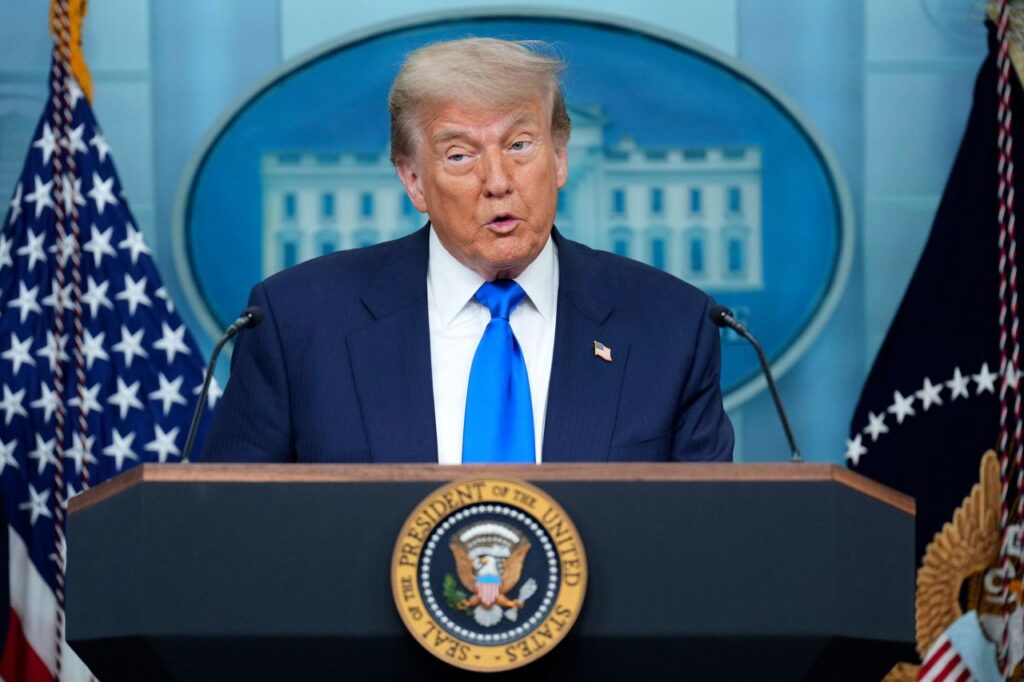
After reviewing the findings and deliberating with his Cabinet, Trump determined that continued membership or support for the listed organizations would be contrary to US interests.
He subsequently directed all executive departments and agencies to take immediate steps to effectuate the withdrawals as soon as legally possible.
The organizations affected span a wide range of sectors, including climate, energy, development, governance, education, and human rights. They include 35 non-United Nations bodies and 31 United Nations bodies.
For UN organizations, the memorandum clarifies that withdrawal entails ceasing participation in or funding to those entities to the extent permitted by law.
In explaining the broader rationale behind the move, Rubio argued that what began decades ago as a pragmatic framework for international peace and cooperation has evolved into what he described as a “sprawling architecture of global governance, often dominated by progressive ideology and detached from national interests.”
“From DEI mandates to “gender equity” campaigns to climate orthodoxy, many international organizations now serve a globalist project rooted in the discredited fantasy of the “End of History.”
“These organizations actively seek to constrain American sovereignty. Their work is advanced by the same elite networks—the multilateral “NGO-plex”— that we have begun dismantling through the closure of USAID.”
Marco Rubio
US To Seek Cooperation That Serves Interests
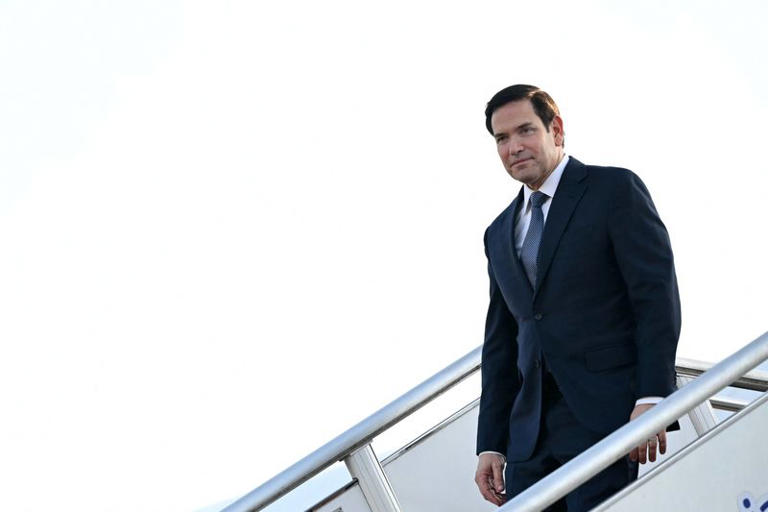
The administration insists that the decision does not signal a blanket rejection of international cooperation. Instead, Rubio said that the United States would continue to pursue cooperation where it clearly serves American interests, while standing firm against institutions that do not.
“We will not continue expending resources, diplomatic capital, and the legitimizing weight of our participation in institutions that are irrelevant to or in conflict with our interests. We reject inertia and ideology in favor of prudence and purpose.”
Marco Rubio
Implementation of the withdrawals will be overseen by the State Department, with Rubio authorized to provide additional guidance to federal agencies as needed. The memorandum also makes clear that the process will be carried out in accordance with existing laws and subject to the availability of appropriated funds.
It further specifies that the directive does not create any enforceable legal rights for external parties and preserves the existing authorities of executive departments and the Office of Management and Budget.
For now, the Trump administration has indicated that the review process is not yet complete. Rubio said the assessment of additional international organizations remains ongoing, suggesting that further withdrawals could follow.
As the United States begins to implement the latest directive, the scale of the withdrawal is likely to have far-reaching implications for US diplomacy and its role in global governance, reflecting the administration’s broader “America First” approach to foreign policy.
READ ALSO: TOR Restart Seen as Timely Buffer Against Global Oil Volatility