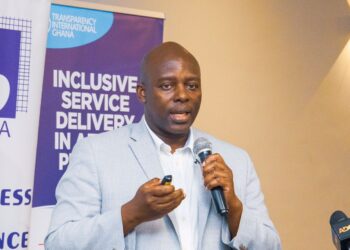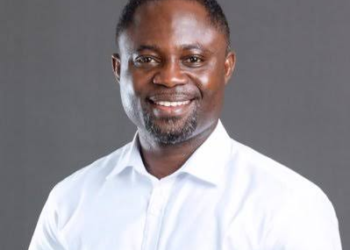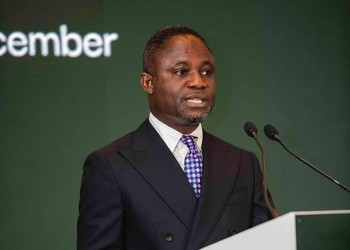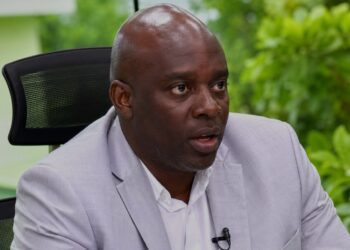
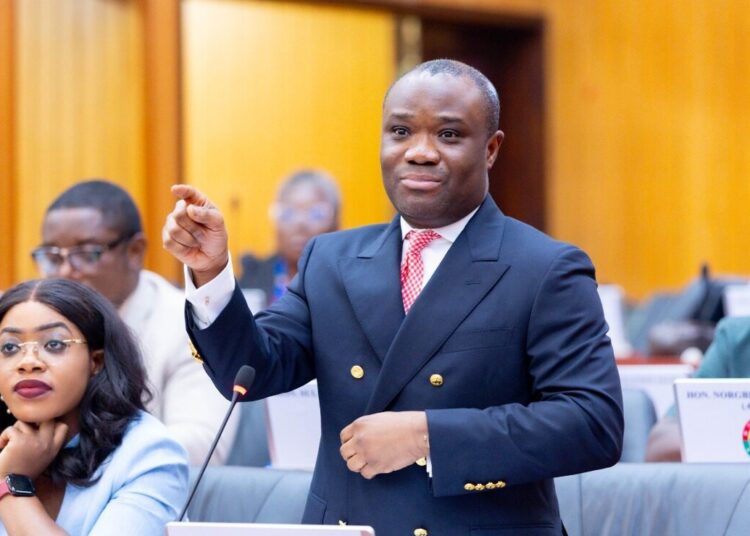
Minister of Government Communications and Presidential Spokesperson, Hon. Felix Kwakye Ofosu, has strongly criticised the Ghana Bar Association over what he describes as its silence on recent public attacks directed at a judge by the Minority Leader in Parliament, Alexander Kwamena Afenyo-Markin.
In a statement reflecting on the controversy, he expressed frustration that the legal professional body had not issued an immediate response to remarks he considered damaging to judicial independence.
The ruling party’s Member of Parliament for the Abura Asebu Kwamankese argued that the Ghana Bar Association appeared inconsistent in its reactions to public commentary on judicial officers.
According to him, the association had in the past responded swiftly to far less serious criticisms when made by individuals outside the New Patriotic Party (NPP), yet had remained quiet in the current situation involving a senior figure within the same political tradition as some of its members.
“I have long dismissed the Ghana Bar Association as an NPP grouping. If it were not so, the intolerable abuse of this Judge by the Minority Leader would have elicited an immediate, uncompromising response.”
Hon. Felix Kwakye Ofosu, Minister of Government Communications and Presidential Spokesperson
He further suggested that the association’s silence reflected what he termed selective concern for judicial protection. “They have been known to respond quickly to far less offensive commentary by non-NPP members,” he added, arguing that such behaviour undermines the credibility of the legal body.
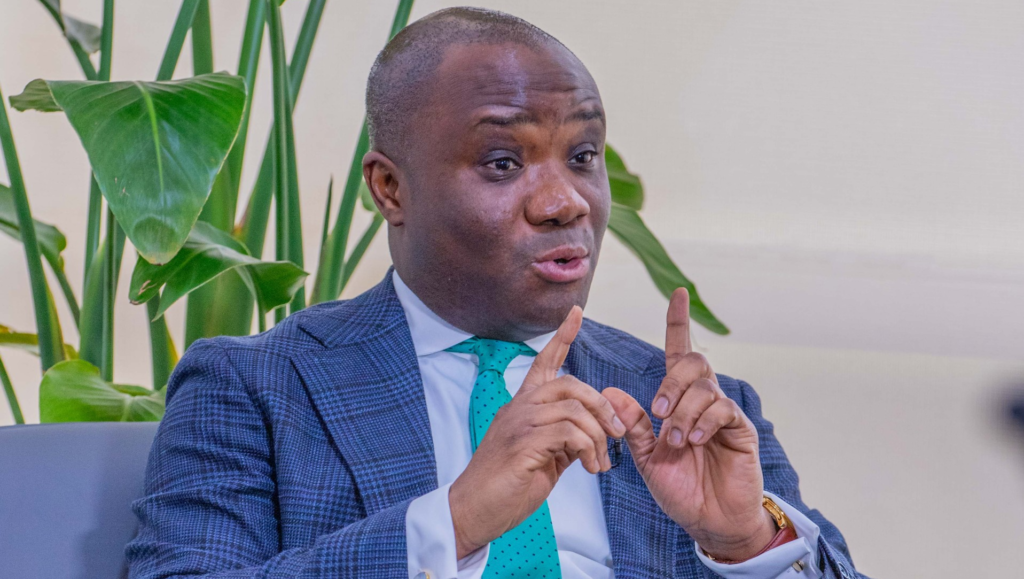
Hon. Kwakye Ofosu also criticised what he called internal political bias, pointing out that the lack of response was particularly notable because the controversy involved a member of the opposition political party.
Afenyo-Markin’s Remarks and Judicial Controversy
The criticism from Hon. Kwakye Ofosu follows comments made by the Minority Leader, Alexander Kwamena Afenyo-Markin, regarding a presiding judge at Accra Circuit Court 9.
The judge had remanded New Patriotic Party member Kwame Baffoe, widely known as Abronye DC, in connection with ongoing legal proceedings. Afenyo-Markin publicly questioned the judge’s competence and integrity, describing him as an “NDC Judge” and asserting that the jurist “does not speak law”.
During his public comments and media engagements, the Effutu MP escalated his criticism of the judiciary’s handling of the matter. He stated, “I don’t think he read the law,” casting doubt on the judge’s legal training and qualifications.
He further declared, “I have no respect for him,” arguing that the judge had acted beyond his judicial authority in ordering the remand of the party official.
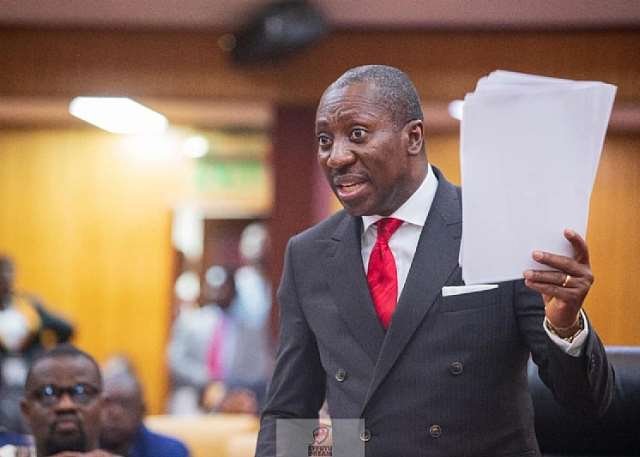
The Minority Leader also made remarks that heightened tensions between the judiciary and the opposition. He challenged the court’s authority by daring it to initiate contempt proceedings against him, saying, “I pray that he summons me for contempt. I will continue to disrespect him until he does the right thing.”
In addition, he appealed to the Chief Justice, Paul Baffoe-Bonnie, urging intervention to address what he described as misconduct within the lower courts. He warned that failure to address such issues could affect public confidence in the judiciary.
Background to the Abronye DC Case
The controversy stems from the arrest and prosecution of Kwame Baffoe, also known as Abronye DC, who is facing charges including offensive conduct conducive to the breach of peace and publication of false news.
The case was heard at Accra Circuit Court 9, where the presiding judge denied bail and ordered that he be remanded into custody under the Bureau of National Investigations.
The decision sparked political debate, particularly among members of the opposition New Patriotic Party. Critics of the ruling argued that the charges against Abronye DC were minor misdemeanours and that his continued detention raised concerns about proportionality and constitutional rights.
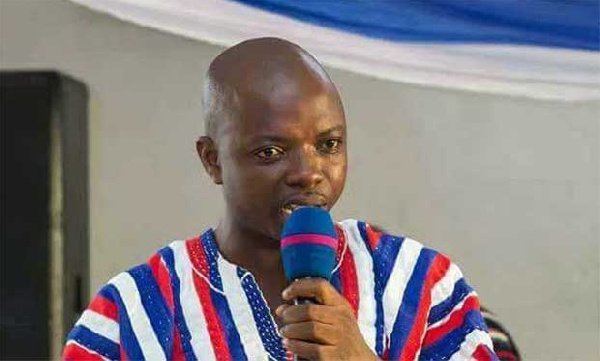
Hon. Afenyo-Markin, in his defence of the party official, suggested that the remand decision was an attempt to silence political voices and prevent further public commentary.
He also linked the situation to broader concerns about governance and judicial independence, alleging that there was an emerging pattern of legal actions that disproportionately affected opposition figures.
According to him, such developments risked undermining free speech protections and could be interpreted as politically motivated.
Political Fallout and Institutional Debate
The remarks by both Hon. Afenyo-Markin and Hon. Kwakye Ofosu have contributed to an intensifying political and institutional debate in Ghana.
While Hon. Afenyo-Markin’s comments have drawn criticism from government figures and legal observers who caution against public disparagement of judicial officers, Hon. Kwakye Ofosu’s response has focused attention on the role of professional bodies such as the Ghana Bar Association in defending judicial independence.
The Ghana Bar Association has not issued an official public response to the latest controversy at the time of reporting, a silence that continues to fuel debate among political actors.
The competing narratives surrounding judicial conduct and institutional response suggest that the controversy is likely to persist, with implications for public trust in both political and judicial institutions.
READ ALSO: Drone Attack On UAE’s Barakah Nuclear Plant Decried