The ongoing debate over the National Petroleum Authority’s proposed fuel price floor has drawn strong criticism from energy policy experts, with concerns raised about its economic logic, legal basis, and potential impact on consumers.
Nsiah Benjamin, Executive Director of the Center for Environmental Management and Sustainable Energy, described the justification behind the policy as misleading and unsupported by market realities.
“The reasons for introducing the price floor by NPA is quite misleading and has no economic basis,” he said, explaining that references to predatory pricing are often misunderstood.
Speaking in an interview with Vaultz News, Mr Nsiah questioned the narrative that the price floor is necessary to prevent predatory pricing within the downstream petroleum sector.
He noted that while some firms may temporarily reduce margins to gain market share, this does not automatically translate into long-term market dominance or consumer exploitation.
Competitive Market Undermines Predatory Pricing Claims
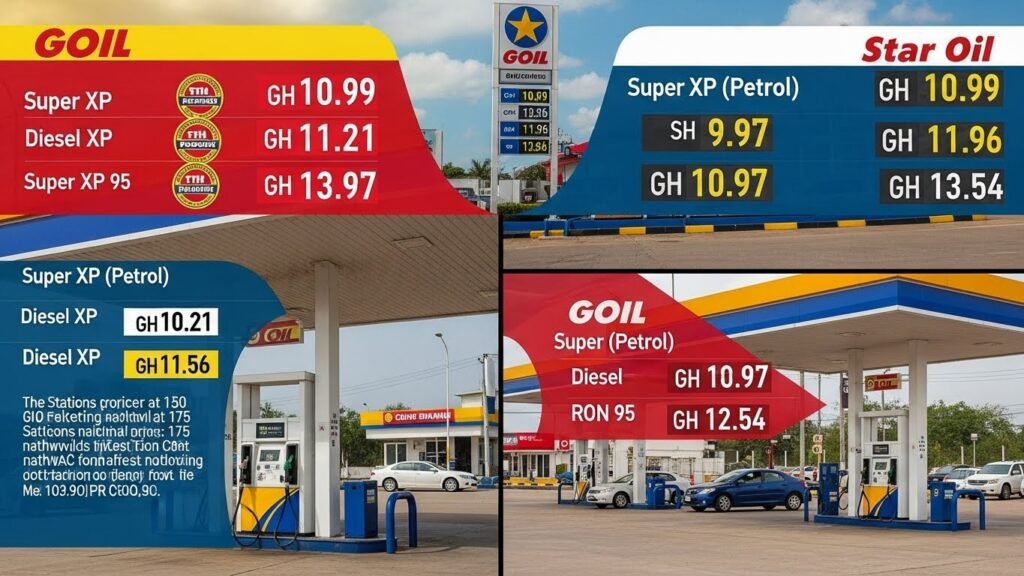


Mr Nsiah emphasized that Ghana’s petroleum downstream sector is highly competitive, making it difficult for any single Oil Marketing Company (OMC) to manipulate prices in the future.
He pointed to the low barriers to entry as evidence that market forces, rather than regulatory price controls, are already at work.
“This is a very perfect competitive market with no barrier to entry.
“If OMCs are able to meet the requirements, they can enter.”
Nsiah Benjamin, Executive Director of the Center for Environmental Management and Sustainable Energy
He recalled that in 2015, Ghana had about 50 OMCs, a number that has since grown to nearly 200. To him, this rapid expansion demonstrates that the market remains attractive and open.
Mr Nsiah argued that in such an environment, no company can sustainably undercut prices today with the expectation of controlling the market tomorrow.
New entrants will always emerge, preventing price manipulation and ensuring that consumers benefit from competition rather than suffer from it.
Legal Concerns Over NPA’s Intervention
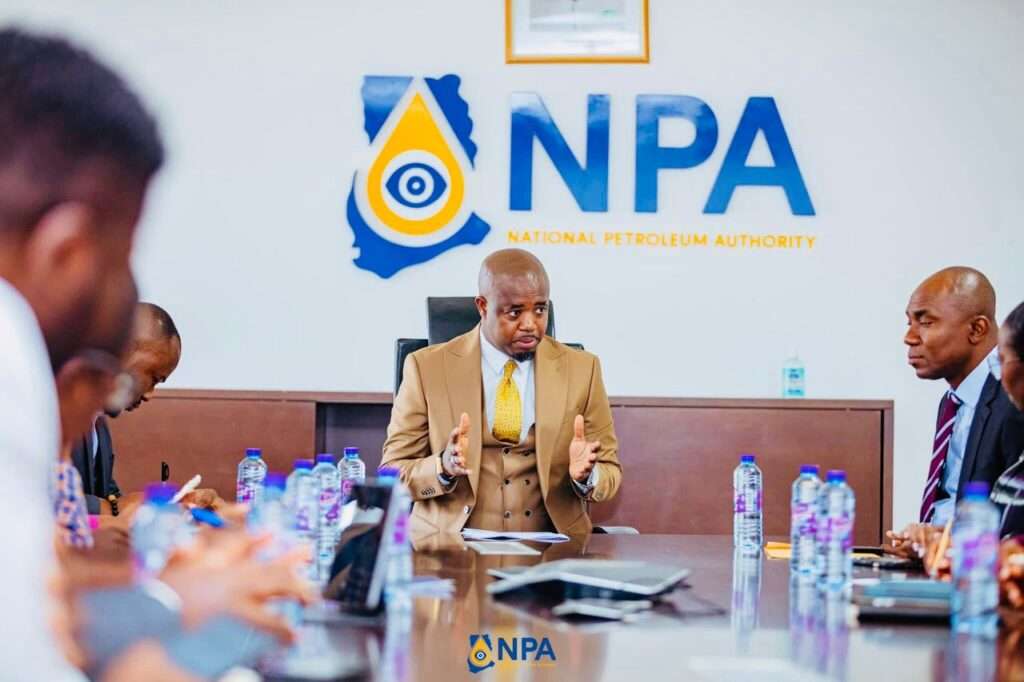
Beyond economics, Mr Nsiah raised legal concerns about the price floor policy, arguing that it may conflict with the mandate of the NPA as defined in law.
He referenced provisions that require the Authority to balance the interests of both petroleum service providers and consumers.
“If you look at some sections of the act of NPA it talks about fair pricing in terms of taking into consideration the interest of petroleum service providers as well as petroleum consumer.”
Nsiah Benjamin, Executive Director of the Center for Environmental Management and Sustainable Energy
According to him, imposing a price floor tilts the balance in favour of sellers at the expense of consumers.
He argued that intervening in the market using a price floor amounts to prioritising producer interests over consumer welfare, a move he believes is neither fair nor legally justified within the framework that established the NPA.
Economies of Scale Argument Questioned
Another argument often used to defend the price floor is that new or smaller OMCs may struggle to compete on price due to the economies of scale enjoyed by established players. “The evidence supports that most of the OMCs pricing lower are rather the new entrants,” he noted.
According to him, newer players tend to be more aggressive and efficient in pricing, while larger, established OMCs often charge higher prices despite their scale advantages.
In his assessment, instead of transferring efficiency gains to consumers, some established OMCs take advantage of their market position by maintaining higher prices.
Mr Nsiah suggested that the true motivation behind the price floor may not be consumer protection or market stability, but rather the desire to shield certain players from losing market share.
“I think what they want to do is that they realise that some OMCs are using price to attract consumers and for that matter well-established OMCs are losing the market and they don’t want that to happen.”
Nsiah Benjamin, Executive Director of the Center for Environmental Management and Sustainable Energy
In his view, the price floor was introduced to slow down competitive price-based strategies rather than to address genuine market failures.
Call for Consensus-Based Policy Review
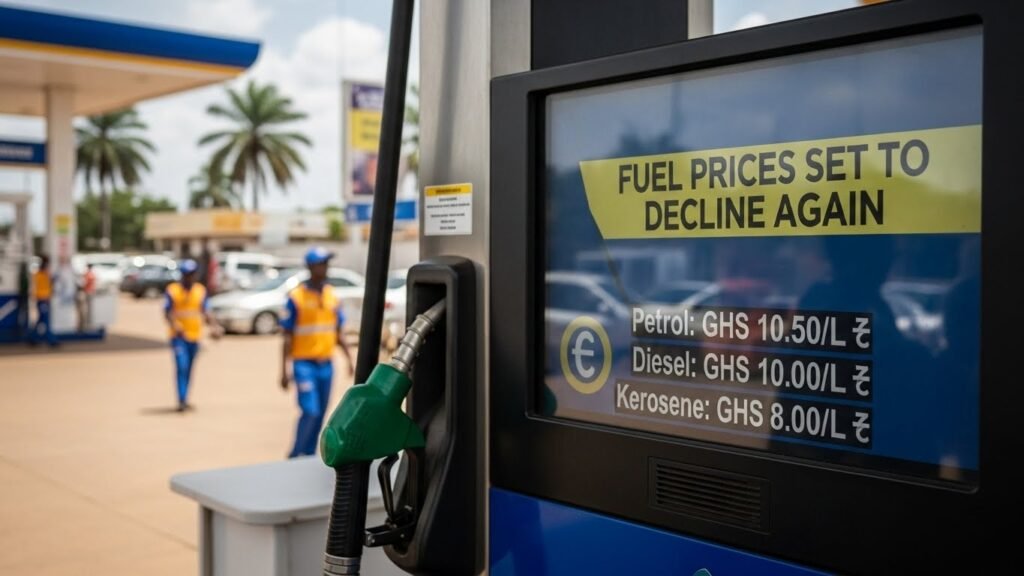
Calling for a rethink of the policy, Mr Nsiah urged authorities to approach fuel pricing as a national issue requiring broad consensus. He stressed that any intervention should strike a balance between industry sustainability and consumer benefit.
“We need to look at it again. It should be a national policy built on consensus,” he said, warning against measures that weaken efficient OMCs or penalise those willing to pass efficiency gains on to consumers.
He also questioned whether regulatory incentives might be influencing policy decisions, noting that the growing number of OMCs increases licensing and regulatory fee revenues for the NPA.
“We need to critically look at it and then build a consensus around this particular policy for the sustainability of the industry and not for the benefits that NPA is going to get.”
Nsiah Benjamin, Executive Director of the Center for Environmental Management and Sustainable Energy
As debate over the fuel price floor continues, Mr Nsiah’s comments add to a widening spectrum of views, underscoring the need for deeper engagement on competition, regulation, and consumer protection in Ghana’s downstream petroleum sector.
READ ALSO: GIPC Maps Out Central Region Investment Opportunities