
The Deputy Chief Executive Officer (DCEO) of the Ghana Investment Promotion Centre (GIPC), Abdul Razak Baba, has identified the unregulated export of raw rubber as a critical threat to the nation’s industrial “Reset Agenda.”
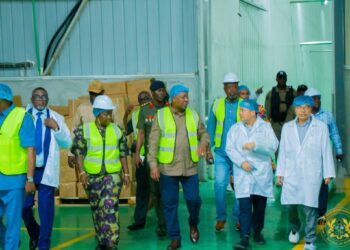
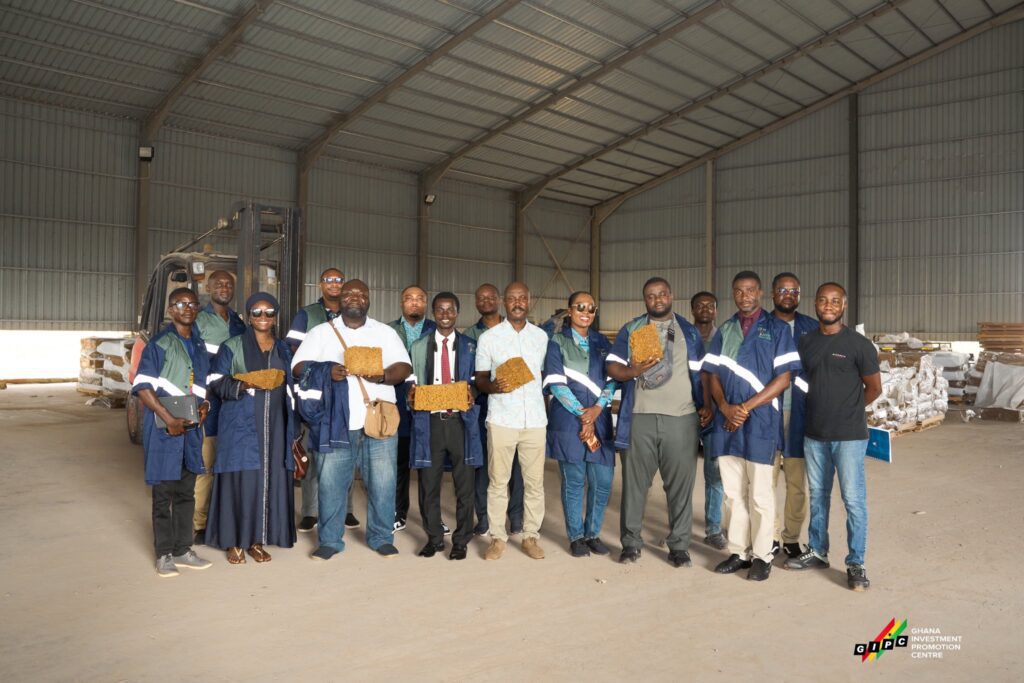
Represented by Deputy Director Charles Opoku Mensah during a strategic visit to Yaeric Company Limited in the Western Region, the GIPC leadership warned that the current “bleeding,” of raw materials is hollowing out local factories.
“Despite Ghana’s ambition to become an automotive component hub under the 24H+ Programme, processors like Yaeric are being starved of the very lumps required to sustain production”
Abdul Razak Baba, DCEO of GIPC
For Baba, the mission is clear: to protect the domestic value chain, the government must move from rhetoric to the rigid enforcement of raw material export restrictions. The situation at Yaeric Company Limited, located in the heart of Ghana’s rubber enclave, serves as a stark warning of the consequences of industrial feedstock leakages.
CEO Eric Owusu revealed that his state-of-the-art plant is currently operating at a fraction of its potential, running less than 20 tonnes daily against an installed capacity of 60 tonnes. This underutilization has forced a drastic reduction in the workforce, with employment numbers collapsing from nearly 500 to fewer than 100 staff.
“This isn’t just a loss for the company; it’s a social and economic crisis for the local communities that depend on these jobs. We need policy measures that ensure local factories are fed first, alongside stronger collection systems that protect the farmer and the processor alike”
Abdul Razak Baba, DCEO of GIPC
Feeding the Industry
The GIPC delegation’s visit aligns with the “Feed the Industry Programme,” outlined in the 2026 Budget Statement.
Under this framework, the government has signaled a transition toward restricting raw rubber exports to support domestic manufacturers who produce tires, automotive components, and footwear.
Charles Opoku Mensah noted that by keeping raw rubber in-country, Ghana could increase its earnings from approximately $600 per tonne for raw cup lumps to nearly $1,500 per tonne for technically specified rubber (TSR).
This strategic shift is particularly vital for the Western Region’s House of Chiefs, who have been vocal in their demands for an outright ban on raw exports. They argue that as long as foreign intermediaries are allowed to capture the raw market, the “Grow24” and “Make24” pillars of the 24-hour economy will remain on paper only.
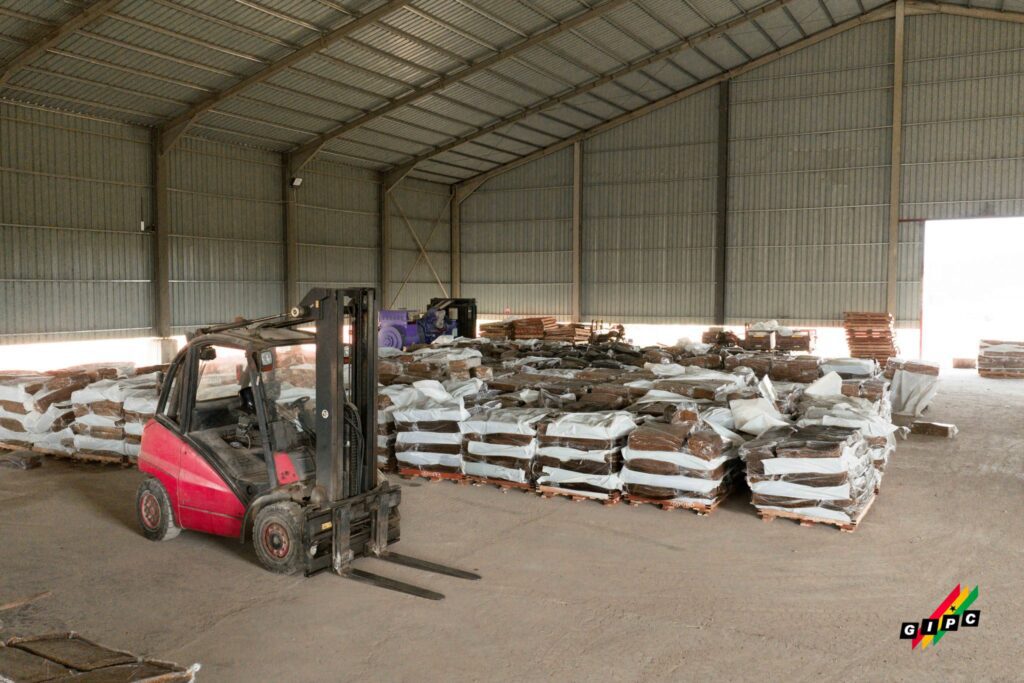
Beyond the policy level, the engagement at Yaeric focused on the practicalities of the rubber supply chain.
Industry players, including the Rubber Processors Association of Ghana (RUPAG), have raised alarms over the systematic under-declaration of raw rubber exports, which they estimate costs the state millions in foreign exchange annually.
By stabilizing the supply to local processors, the government aims to restore the confidence of outgrowers who have seen their financing schemes threatened by market volatility.
“Value addition is the foundation of our industrial sovereignty. For too long, our processors have struggled to operate at full capacity because the primary resource is drained away before it reaches the factory gate.
“The commitment we are seeing today is about building a resilient, high-value rubber industry that can serve as a non-traditional export powerhouse under the AfCFTA. We are ready to partner with any investor who shares this vision of a locally integrated value chain”
Abdul Razak Baba, DCEO of GIPC
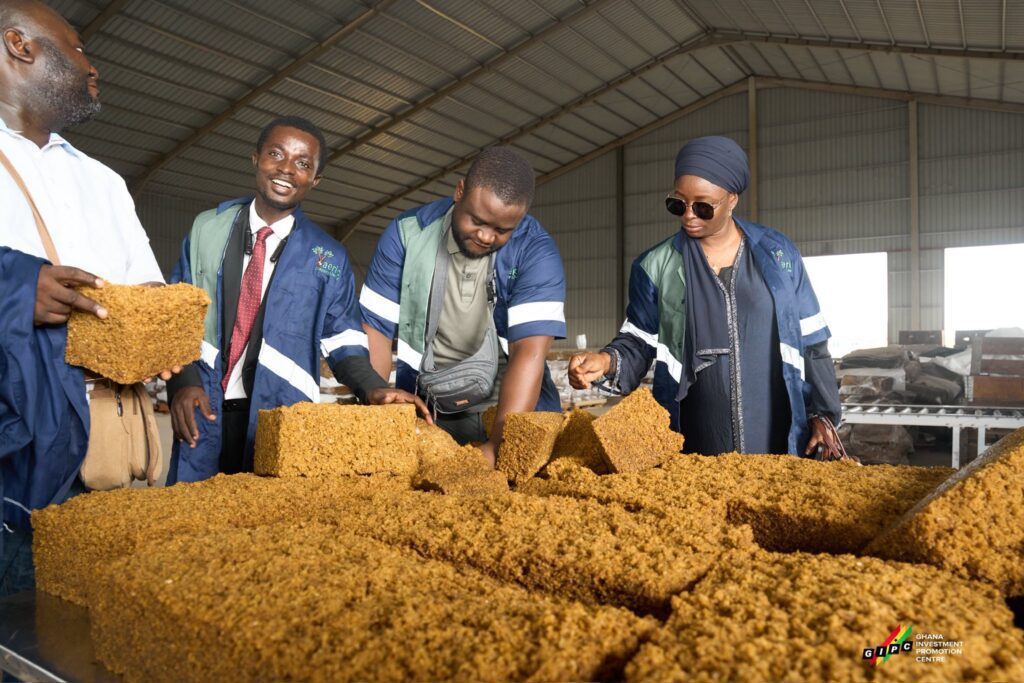
As the Regional Investment Roadshow continues, the focus remains on the social impact of these industrial bottlenecks. In Shama and across the Western Region, the loss of manufacturing jobs often leads to a resurgence of illegal mining and economic migration.
By securing the feedstock for Yaeric and similar firms, the GIPC is essentially securing the future of the rural economy.
READ ALSO: T-Bills Auction Smashes Target by 61%