The Ministry of Health has inaugurated a seven-member investigation committee to probe allegations of unethical medical practices described as medical kalabule at the Korle-Bu Teaching Hospital and the Greater Accra Regional Hospital, Ridge.
The move signals a renewed push by government to strengthen accountability, uphold ethical standards, and restore public confidence in Ghana’s healthcare system.
The committee was constituted by the Minister for Health, Kwabena Mintah Akandoh, following mounting public concern over reports of unprofessional conduct within the two major referral facilities.
The allegations, which have gained wide attention in recent weeks, raise questions about unauthorized practices and the effectiveness of existing oversight mechanisms in public hospitals.
The investigation committee is chaired by Alhaji Dr Inua Yusuf, Head and Director of Legal Affairs at the Ministry of Health. Its membership reflects a multidisciplinary approach, bringing together expertise from clinical medicine, health regulation, biomedical engineering, hospital administration, civil society, and legal practice.

Members include Dr Eric Kofi Ngyedu, Chief Executive Officer of the Cape Coast Teaching Hospital and Dean of Chief Executives for Teaching Hospitals, and Dr Adam Abass, a neurosurgeon at the Tamale Teaching Hospital and President of the Ghana Academy of Neurosurgeons.
Also serving on the committee are Dr George Sabblah, Deputy Chief Executive for Technical Operations at the Food and Drugs Authority and representative of the FDA, Dr Nicholas Adjabu from the Engineering Unit of the Ministry of Health, and Dr Frederick Kwarteng, a biomedical engineer and representative of the Ghana Medical Association.
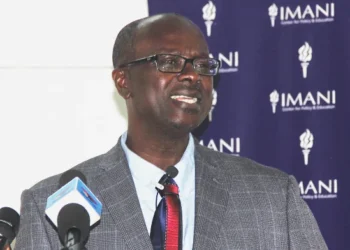
Dr Kwarteng also heads the Department of Trauma and Orthopedics as well as the Department of Accident and Emergency at the Korle Bu Teaching Hospital. Representing civil society organisations is Professor John Osae Kwapong, a Democracy and Development Fellow at the Ghana Center for Democratic Development.
Committee’s Task
According to the Ministry, the committee has been tasked to conduct a comprehensive and independent inquiry into the allegations of unethical medical practices at both facilities.
In addition to establishing the facts surrounding the claims, the committee is expected to assess the adequacy and effectiveness of existing governance, oversight, and control systems designed to prevent unauthorized or unethical practices within public health institutions.
“The Committee has been directed by the Health Minister to submit its final report and recommendations to the Ministry by 10th February, 2026”.
Tony Goodman, Head of Health Training Institutions and spokesperson for the Ministry of Health
The relatively short timeline underscores the urgency with which government is treating the matter, amid growing public scrutiny and calls for decisive action to safeguard patients and public resources.
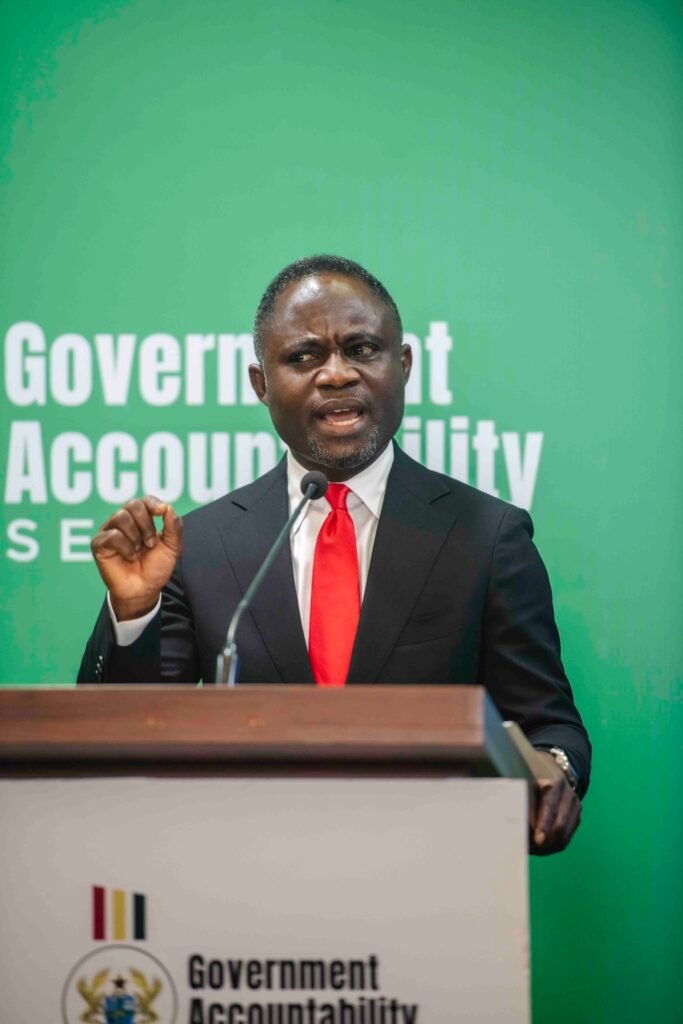
In a statement issued by the Ministry, government assured the public of its full cooperation with the committee throughout the investigation. The Ministry reaffirmed its commitment to ethical medical practice, transparency, and accountability, noting that public trust in the health system is a cornerstone of effective healthcare delivery.
The probe follows an earlier announcement by the Ministry of Health on January 16, 2026, indicating plans to investigate allegations of unprofessional conduct at the Greater Accra Regional Hospital.
That decision was triggered by the publication of an investigative report by The Fourth Estate, which detailed practices at the Ridge Hospital that were described as medical kalabule.
The report, widely circulated on social media, has intensified public debate about service delivery, regulation, and accountability in Ghana’s health sector. Medical kalabule, a term often used to describe illegal or exploitative practices for personal gain, has long been a sensitive issue within the health system.
Allegations of patients being charged unofficial fees, being compelled to seek services outside approved channels, or being denied care unless certain payments are made have previously drawn criticism from civil society and patient advocacy groups.
Commitment to Credibility
By constituting an independent committee with representation beyond the affected institutions, the Ministry appears intent on ensuring credibility and impartiality in the inquiry. The inclusion of regulatory bodies, professional associations, and civil society is likely to strengthen public confidence in the process and its eventual findings.
Health sector analysts note that Korle Bu Teaching Hospital and the Greater Accra Regional Hospital play critical roles in Ghana’s healthcare delivery, serving as major referral centers for complex and emergency cases.
Any systemic ethical lapses within such institutions, they argue, have far-reaching implications not only for patient welfare but also for national health policy and resource allocation.

The outcome of the investigation is expected to inform reforms aimed at closing governance gaps and strengthening internal controls within public hospitals. Recommendations may also shape disciplinary actions, policy adjustments, and broader institutional reforms to prevent a recurrence of similar practices.
For many patients and families, the inquiry represents a test of the government’s resolve to confront uncomfortable truths within the health system. As the committee begins its work, attention will focus on whether its findings lead to concrete action that improves transparency, professionalism, and equity in access to healthcare.
The Ministry of Health has emphasized that restoring and maintaining public confidence remains paramount. Officials insist that while allegations must be thoroughly investigated, the process will also protect the integrity of the many health professionals who continue to serve with dedication and professionalism across the country.
READ ALSO: Gold Price Surge Signals Major Boosts in Ghana’s Economy