

Policy think tank IMANI has cautioned that the ongoing rollout of franchise officers by the Electricity Company of Ghana (ECG), while well-intentioned, risks exposing customers to fraud due to weak verification mechanisms.
In a policy brief authored by technology policy analyst John Sitsofe Mensah, IMANI argues that the current approach relies too heavily on physical identification methods that are vulnerable to abuse.
The ECG franchise initiative is designed to improve revenue collection through decentralised billing and customer engagement.
However, IMANI warns that “without a reliable and verifiable system to authenticate franchise officers, the programme could inadvertently create opportunities for impersonation and financial exploitation.”
At the heart of IMANI’s concern is what it describes as a “Verification Void” within the ECG franchise officer deployment. According to the brief, customers are currently expected to verify the identity of franchise officers using physical ID cards and paper-issued letters, a process IMANI says is outdated and insecure.
The think tank notes that ECG’s January 30 announcement urging customers to “verify identity” fails to explain how such verification can be done safely and efficiently. Without a clear and trusted “Source of Truth,” customers are left to rely on visual cues that can be easily manipulated.
“Physical IDs are easily forged,” the brief noted, warning that modern spoofing techniques can convincingly replicate ECG branding, making it difficult for even cautious customers to distinguish legitimate officers from fraudsters.
Social Engineering and Customer Vulnerability

IMANI further highlighted the risk of social engineering, a tactic commonly used by fraudsters to pressure victims into compliance.
According to the brief, individuals posing as ECG franchise officers could exploit customers’ fear of losing power supply by issuing threats of “immediate disconnection.”
Such tactics, IMANI warned, can override skepticism, especially among vulnerable populations who may lack the time, resources or technical knowledge to verify an officer’s identity properly.
The brief stressed that the current system places an unreasonable burden on customers to protect themselves.
It also criticised the expectation that customers should call ECG’s customer service line while an officer waits at their premises.
IMANI described this as “operationally unrealistic,” noting that congested call centres and long waiting times make real-time verification impractical.
Call for a Digital “Source of Truth”

To address these gaps, IMANI has proposed a shift from what it calls “Visual Verification” to “Systemic Authentication.”
The policy brief argues that the ECG franchise model must be supported by a digital verification architecture that allows customers to confirm an officer’s identity independently and instantly.
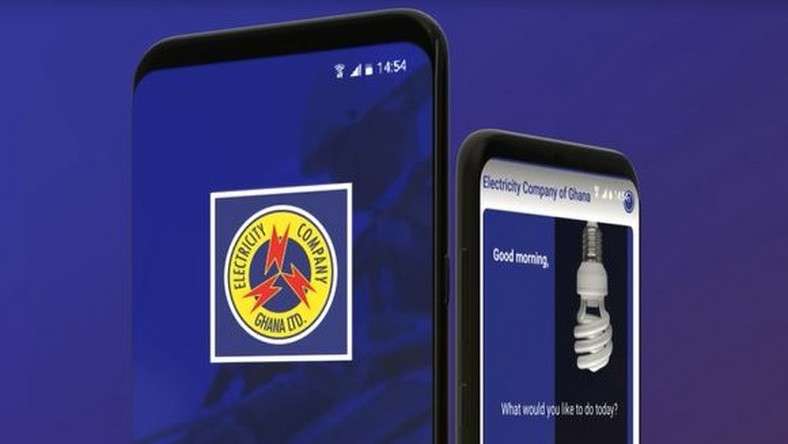
One of the key proposals is the integration of a “Verify Officer” feature into the ECG Power App. Under this system, customers would scan a QR code on an officer’s ID card, prompting the app to retrieve a real-time photograph and authorisation status directly from ECG’s database.
“This moves trust from appearances to systems,” the brief explained, arguing that such a mechanism would significantly reduce impersonation risks.
Inclusive Verification for Non-Smartphone Users
Recognising that not all customers have access to smartphones or internet services, IMANI also recommended a USSD-based verification option as part of the ECG franchise framework.
The think tank proposed expanding the existing *226# shortcode to include a staff verification menu.
Under this model, customers would enter a staff ID number and receive an instant confirmation message stating the officer’s name, authorised district and validity period.
IMANI described this approach as “the inclusive path,” ensuring protection for customers in low-connectivity or low-income settings.
Another innovation proposed in the brief is the use of automated geofencing notifications. IMANI suggested that when a franchise officer logs into a handheld device to begin spot billing in a particular area, the system should automatically send an SMS alert to customers within that zone.
The message would inform residents that “authorized billing activity is currently underway in your neighborhood,” allowing customers to anticipate visits and reducing the effectiveness of surprise-based fraud tactics.
Immediate Steps to Strengthen Trust

While acknowledging that some of its proposals may require time and investment, IMANI outlined immediate actions ECG could take to close the verification gap.
These include issuing a public clarification defining what constitutes a valid franchise officer ID and providing sample images for public awareness.
The think tank also urged ECG to fast-track the USSD staff lookup feature to protect customers without internet access. Additionally, it stressed the importance of reinforcing ECG’s no-cash policy as a frontline defence against fraud.
IMANI argued that aggressively promoting the “NO CASH PAYMENTS” rule would make it harder for impostors to extract money from unsuspecting customers.
IMANI concluded that while the ECG franchise initiative has the potential to enhance revenue collection and operational efficiency, its success depends on public trust. Without credible verification systems, the programme risks undermining confidence and exposing customers to harm.
As ECG continues to expand its franchise model nationwide, the think tank’s recommendations highlight the need to balance efficiency with security.
According to IMANI, closing the verification gap is not just a technical necessity but a critical step in protecting consumers and safeguarding the integrity of the ECG franchise system.
READ ALSO: Ablakwa Launches GHS107m Education Expansion in North Tongu