Minister for Lands and Natural Resources, Hon. Emmanuel Armah-Kofi Buah, has categorized illegal mining as one of the most pressing national security threats facing Ghana today.
Speaking during a high-level management retreat for the Ministry’s agencies and senior officials in Ellembelle, the Minister emphasized that the unchecked devastation of the country’s natural resources has transcended environmental concern to become a full-blown crisis of public health and water security.
The 2026 strategic agenda, themed ‘Ideate, Strategise, Deliver,’ aims to shift the Ministry from reactive measures to a results-driven framework centered on accountability and the protection of the nation’s “heartbeat.“
“This is not just about mining; it is about public health, water security and the future of our children. This Ministry is the heartbeat of Ghana, and we must take this responsibility seriously.”
Hon. Emmanuel Armah-Kofi Buah
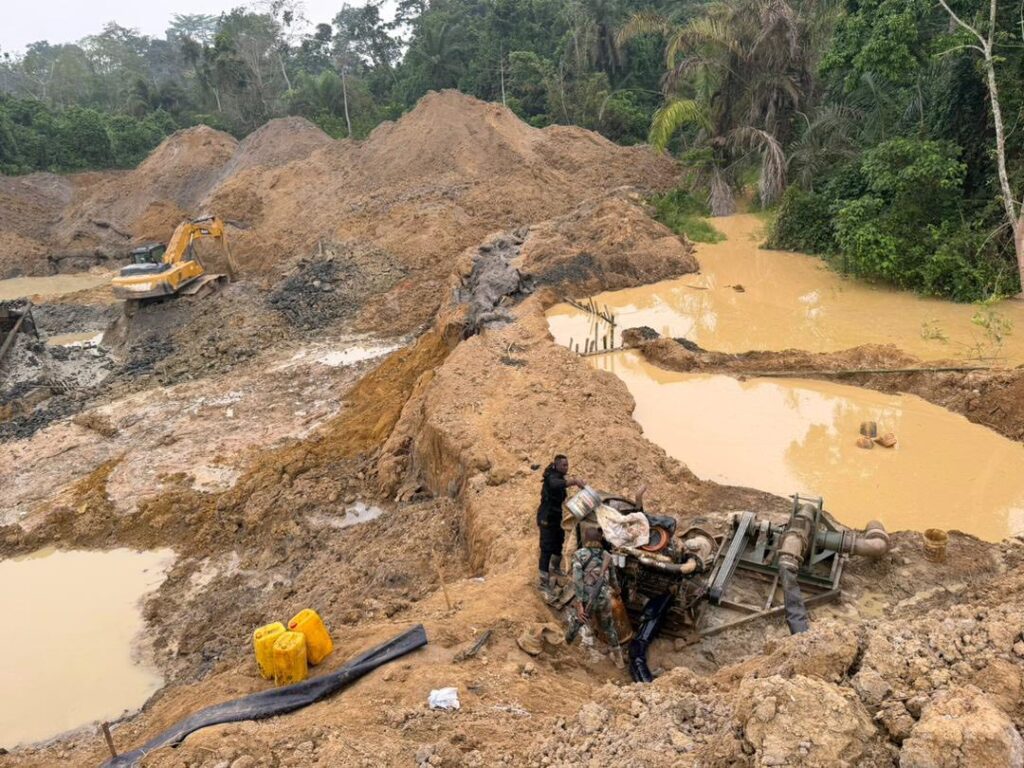
This declaration comes on the heels of sobering data revealing the scale of destruction across the Ashanti, Western, and Western North regions.
Currently, 44 forest reserves have been heavily degraded, with nine of these categorized as ‘red zones’ where illegal miners operate with armed impunity, effectively locking out the Forestry Commission.
To date, over 6,000 hectares of forest cover roughly equivalent to 8,000 football fields have been lost.
In response, the Ministry is transitioning to a five-pronged strategy involving regulatory reform, land reclamation, and the deployment of advanced tracking for mining equipment to safeguard the future of the nation’s children.
Environmental Ecocide and the Threat to Life

The impact of galamsey on Ghana’s ecological landscape has reached a tipping point, characterized by what experts describe as “ecocide.”
The contamination of major rivers like the Ankobra, Pra, and Bia has rendered once-vital water sources toxic, with turbidity levels often far exceeding the capacity of treatment plants.
Beyond the visible siltation, the indiscriminate use of mercury and cyanide in these operations introduces heavy metals into the human food chain, posing long-term risks of organ failure and birth defects in mining communities.
The loss of forests preserved for over 150 years represents not just a loss of timber, but the destruction of biodiversity and the degradation of Ghana’s climate resilience.
Decisive Reforms and Strategic Restoration
Despite the grim landscape, the Ministry has begun implementing aggressive countermeasures under the “Tree for Life” initiative, which saw over 28 million trees planted in 2025.
Significant strides in land administration are also underway, including the decentralization of land offices from 35 to 110 districts to reduce the litigation fueled by centralized, opaque processes.
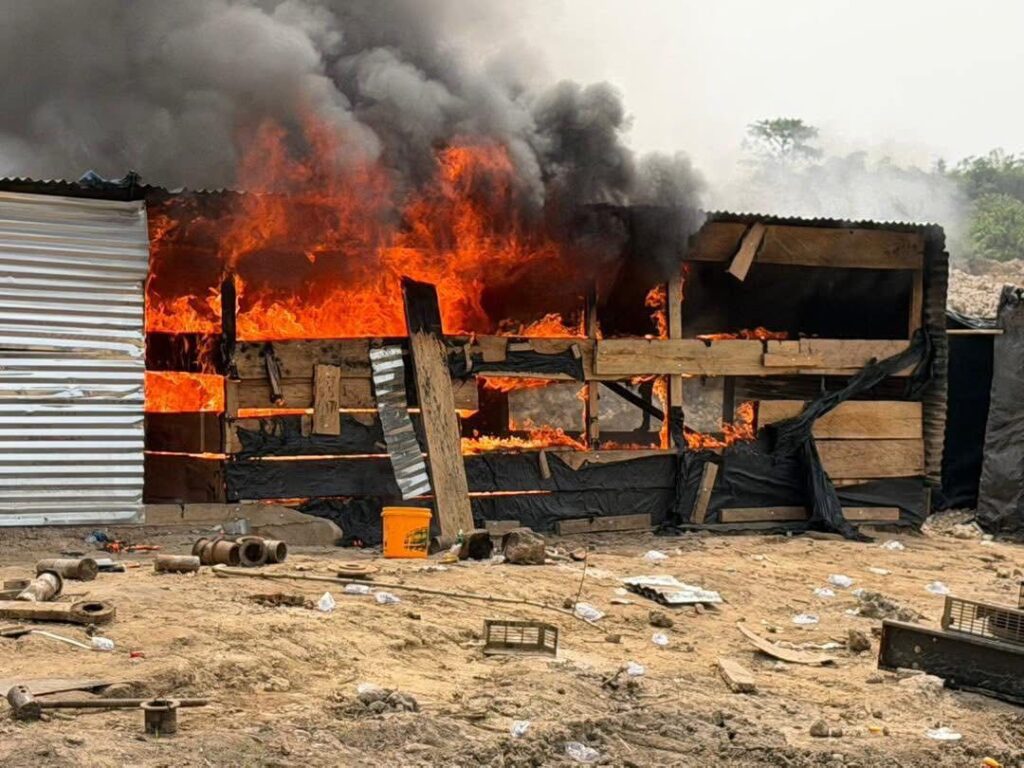
To bolster enforcement, the government has revoked regulations that previously allowed mining in forest reserves and has seized over 250 excavators.
The new 2026 roadmap mandates quarterly KPI checks for all agency heads to ensure that the “Ideate, Strategise, Deliver” mantra translates into measurable reclamation of the 44 devastated reserves.
Grounding Extraction in Culture and Mindset

The retreat was further enriched by a traditional perspective from Nana Kobina Nketsia V, President of the Western Regional House of Chiefs, who argued that the fight against illegal mining requires a shift in mindset.
He cautioned that viewing land and minerals through the lens of foreign legal systems has alienated local communities and fueled disputes. “If you do not know what is under your feet, you will never understand why others want to take it from you,” the Paramount Chief remarked, urging officials to treat natural resources as communal assets.
This cultural grounding, combined with the Ministry’s push for full revenue retention to fund digitalization, is expected to form the backbone of a more resilient and transparent extractive sector.
READ ALSO: GFZA and MIDA Partner to Enhance Investment Capacity