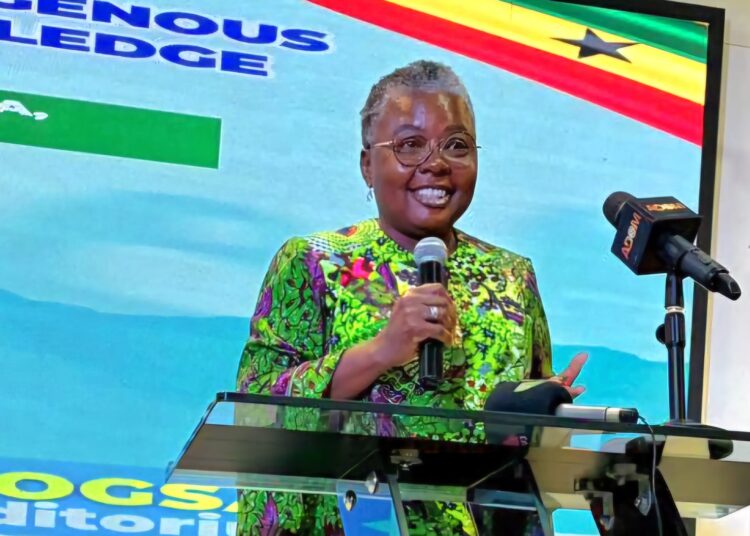
In a strategic move to address Ghana’s dwindling marine stocks, the Minister for Fisheries and Aquaculture Development, Hon. Emelia Arthur, has called for a formal marriage between indigenous fishing wisdom and modern scientific research.
Speaking at the presentation of the SANKOFA Project study recently, the Minister emphasized that the future of Ghana’s blue economy depends on a participatory governance model that respects both the laboratory and the sea-gods of our coastal communities.
“The study highlighted key drivers of declining fish stocks, including illegal fishing, increased fishing effort, industrial trawling of juvenile fish, and the erosion of traditional conservation practices such as wichi. The research recommended harmonising indigenous conservation methods with scientific fisheries management”
Hon. Emelia Arthur, Minister for Fisheries and Aquaculture Development
The Minister noted that the study, titled “Creating Synergies Between Indigenous Practices and Scientific Knowledge,” arrives at a critical juncture for the Mahama administration.
As the government pushes for industrial transformation, the fisheries sector remains a vulnerable pillar, threatened by illegal, unreported, and unregulated (IUU) fishing. The SANKOFA findings suggested that the most effective way to enforce conservation is to revive the traditional values that once governed the ocean.
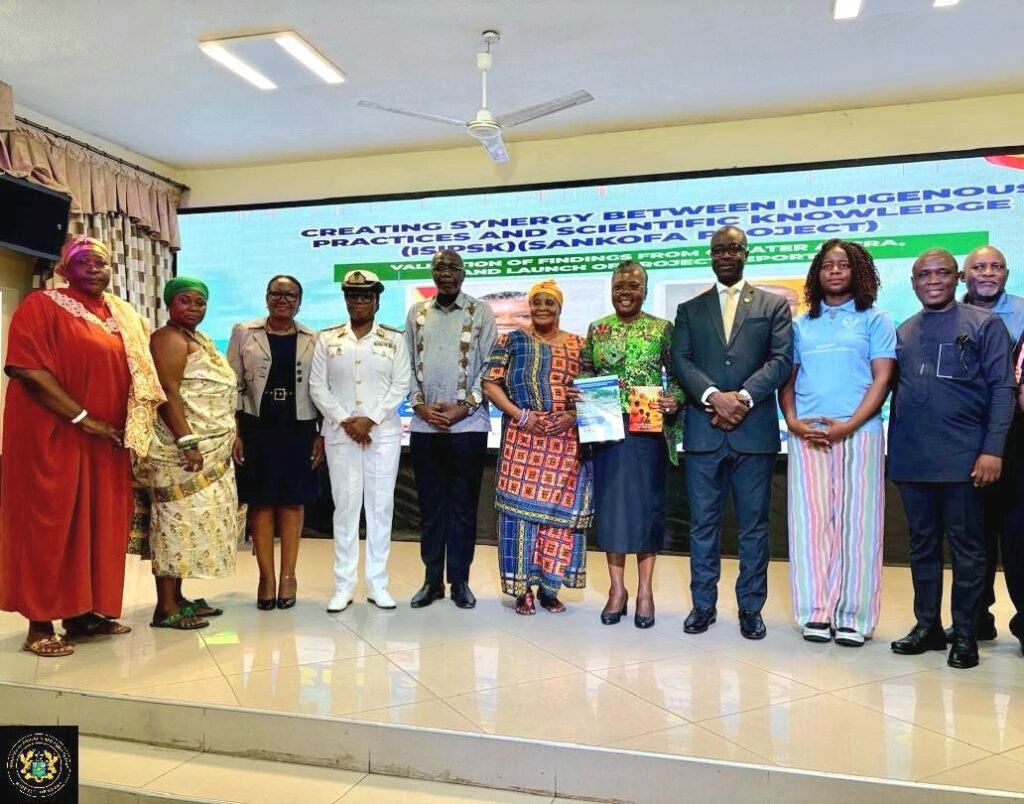
Hon. Arthur observed that at the heart of the research is a push to synchronize the national closed season with the biological and cultural rhythms of the sea. Currently, the timing of the closed season has often sparked debate among fisherfolk.
The SANKOFA Project recommended reviewing this schedule to align more closely with actual fish breeding cycles and the natural sea closure periods traditionally observed by local communities.
By institutionalizing practices like the Tuesday fishing holiday and the concept of wichi (traditional conservation zones), the government wants to reduce the friction between enforcement agencies and local fishermen. Hon. Arthur noted that when policies reflect ecological and cultural realities, compliance rates soar, reducing the need for heavy-handed policing on the high seas.
Women in Fisheries
One of the most poignant aspects of the report is its focus on the socio-economic “shockwaves” caused by the closed season. While necessary for stock replenishment, the hiatus often leaves women fish processors and traders – the economic backbone of coastal towns – without a safety net.
The Mahama government is reportedly looking at the SANKOFA recommendations to develop targeted support systems that mitigate these hardships without compromising the ecological goals of the closure.
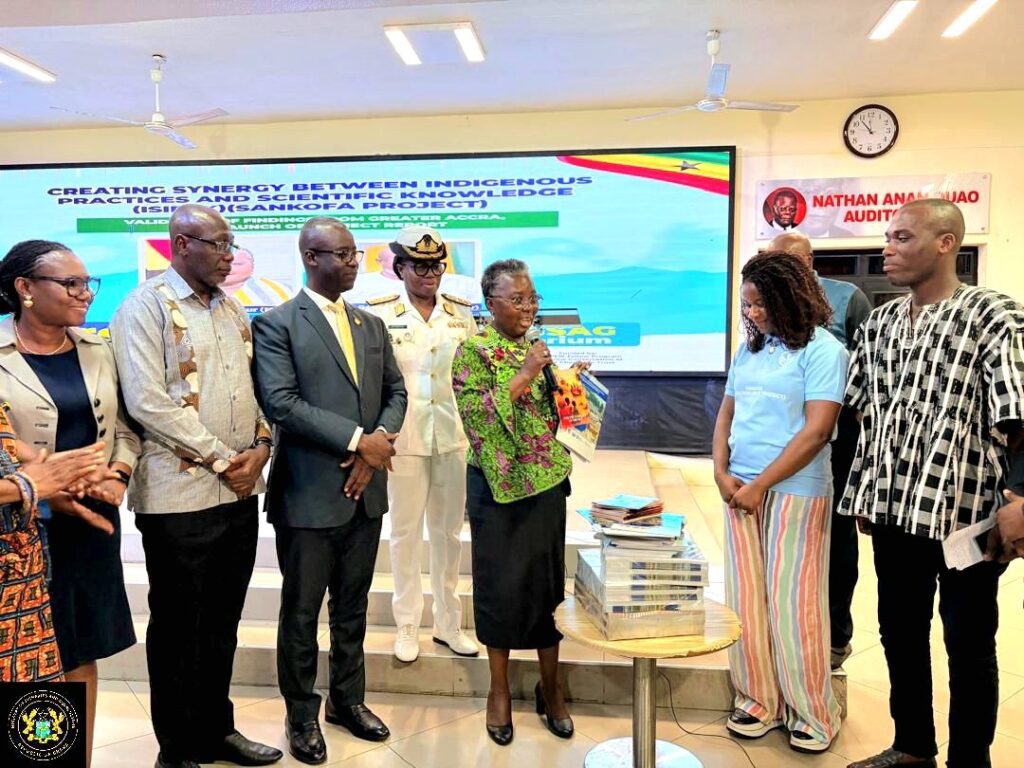
The Minister stressed that “evidence-based fisheries management,” must include the human element. For the 24-Hour Economy to thrive in the fisheries sector, there must be a steady and sustainable supply of raw material, which can only be guaranteed through rigid, yet inclusive, conservation measures.
“In my remarks, I reaffirmed the Government’s commitment to participatory and evidence-based fisheries management, stressing our continued collaboration with fishing communities and district assemblies to integrate traditional knowledge into modern governance frameworks.
“I noted that the SANKOFA Project’s findings will inform future fisheries policies, strengthen community participation, protect livelihoods and promote the sustainable management of Ghana’s marine resources”
Hon. Emelia Arthur, Minister for Fisheries and Aquaculture Development
As the SANKOFA Project (a collaboration involving the University of St Andrews and the Fisheries Commission) draws to a close, its legacy will be etched into the next decade of Ghanaian maritime policy.
The Minister’s participation signals that the days of “top-down” mandates are over. Instead, a hybrid model – where district assemblies work alongside traditional authorities – will become the new standard for managing Ghana’s marine resources.
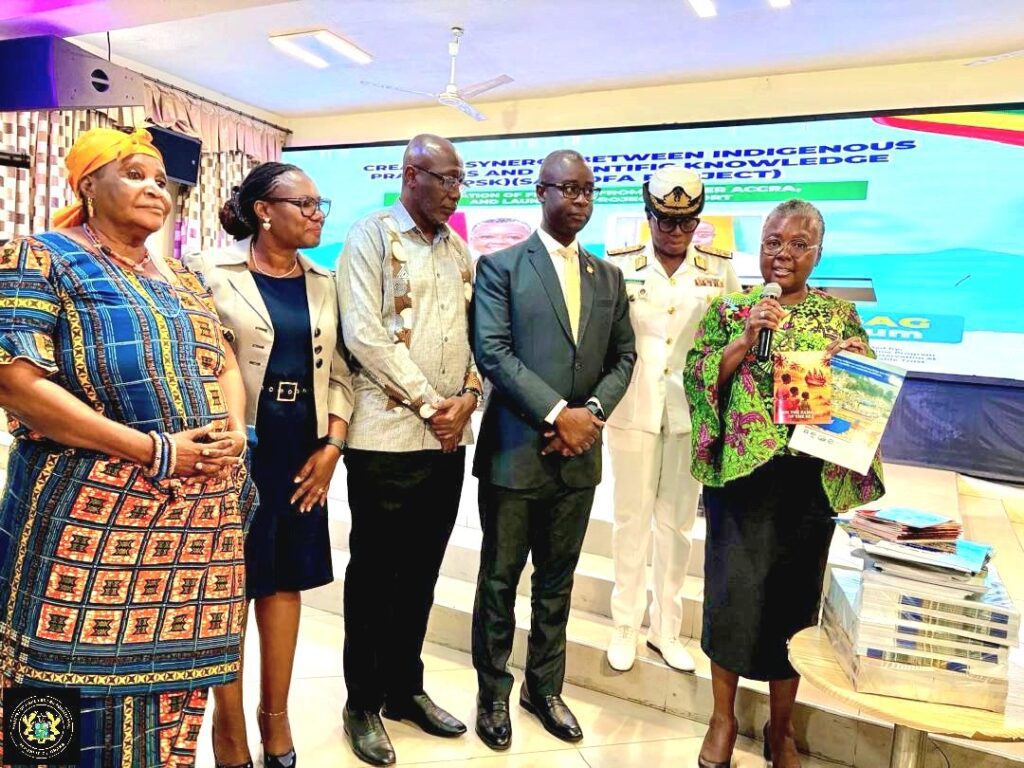
The findings will now be integrated into future policy frameworks to ensure that the “Sankofa” spirit – reaching back to fetch what is useful – guides the modernization of the sector.
READ ALSO: AG Presents Legal Education Reform Bill to Parliament