Speaker of Parliament, Hon. Alban Bagbin has cautioned policymakers against establishing the Upper East Region’s long-term development solely on the foundation of finite mineral extraction.
He urged for a strategic pivot that converts temporary resource wealth into lasting economic assets to safeguard the region’s future.
The legislative head noted that mineral resources must serve strictly as a catalyst for broader, sustainable investments rather than an economic crutch that leaves local communities vulnerable.
“Mining is a temporary opportunity, not a permanent development strategy. The true wealth of this region will not ultimately be measured by the minerals extracted from beneath the bowels of the soil, but by the enduring assets created above it, such as productive agriculture, thriving industries, resilient infrastructure, skilled citizens, vibrant enterprises and strong institutions.”
Speaker of Parliament, Hon. Alban Bagbin
The political leader expanded on this position by highlighting that resource extraction is inherently finite and cannot function as a permanent growth strategy.
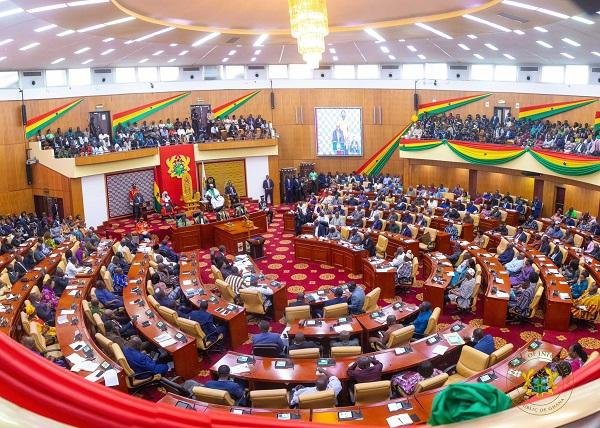
Speaking at the launch of the region’s 10-Year PEARL Framework, he stressed the urgency of investing mining revenues into enduring sectors above the soil, including resilient infrastructure, vibrant enterprises, and skilled citizens.
He warned that without this structural transition, the region risks falling victim to the resource curse— a paradox where mineral wealth leads to environmental degradation and economic stagnation.
The Pitfalls of Single-Resource Dependence
The vulnerability of economies that rely heavily on a single extractive industry is well documented across emerging markets.
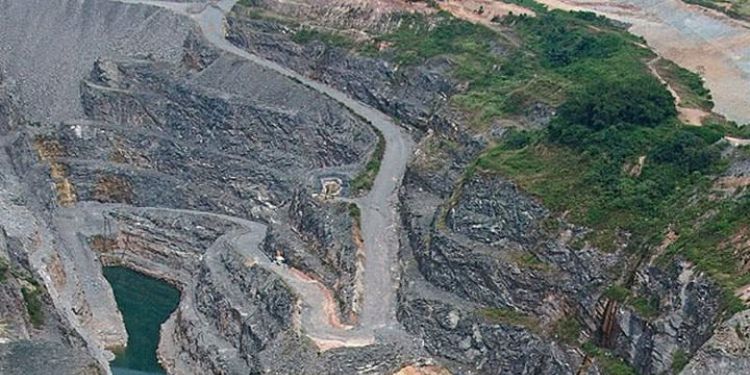
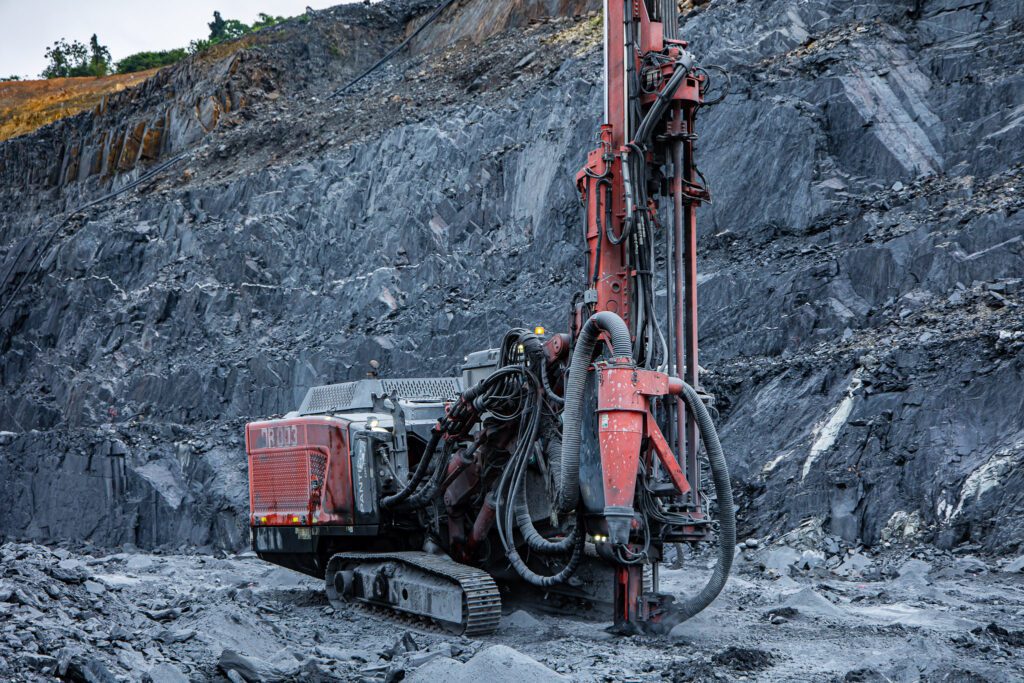
When sub-surface minerals are depleted, communities that failed to diversify are routinely left with devastated landscapes, collapsed local commerce, and severely compromised livelihoods.
By treating mining as the primary economic engine, regional planning creates a boom-and-bust cycle that leaves future generations to inherit the environmental liabilities of mining pits without the financial cushion to manage them.
The introduction of the “Prosperity through Enterprise, Agriculture, Resilience and Livelihoods” (PEARL) Framework represents a deliberate structural attempt to intercept this cycle.
This ten-year blueprint seeks to pull approximately GH¢8.6 billion in public and private sector investments into alternative industries. By anchoring regional growth to surface-level activities, the framework establishes an economic buffer that ensures the local population remains productive long after mineral concessions are exhausted.
Unlocking Alternative Frontiers for Permanent Prosperity
True economic resilience in northern Ghana lies within its untapped trans-border trade potential and its immense agricultural capacity.
The Upper East Region shares direct borders with Burkina Faso and Togo, positioning it uniquely as a strategic gateway to the broader Sahelian and West African markets.
Capitalizing on this geographical advantage requires building robust logistical networks and expanding agro-industrial processing facilities rather than allocating all institutional focus toward underground resources.
Transitioning the regional economic base toward a self-sustaining ecosystem requires that mining revenues be actively rechanneled into commercial farming, small and medium enterprise capitalization, and green energy initiatives.
Cultivating thousands of acres of irrigable land and adding value to local crops generates stable, multi-generational employment that mineral extraction simply cannot sustain.
The conversion of finite underground capital into permanent human capital and industrial infrastructure remains the only viable path to insulating the territory from global commodity price shocks.
Institutional Responsibility and the Future of the Upper East
Implementing a cross-sector economic overhaul demands a non-partisan, legally disciplined approach to managing mineral royalties and corporate social investments.
Regulatory bodies and municipal authorities must strictly enforce environmental reclamation laws while ensuring that local revenues are transparently directed toward public infrastructure.

The success of the PEARL initiative depends entirely on the collective political will to prioritize structural transformation over quick-fix mineral windfalls.
National and regional policy leaders must collaborate to ensure this developmental blueprint receives the sustained administrative attention it deserves.
Transforming temporary extractive wealth into tangible, permanent prosperity above the soil is not merely an optional policy preference; it is an absolute obligation to the future generations of northern Ghana.
READ ALSO: GEA Launches Innovative MSME Digital Gateway to Drive Digitalization