The World Bank and African Development Bank (AfDB) are preparing to accelerate Africa’s biggest electricity access programme with new investments, regional power projects and power sector reforms, but the initiative now faces growing pressure to demonstrate that its next phase delivers genuinely new electricity connections rather than relying on projects that predate the programme.
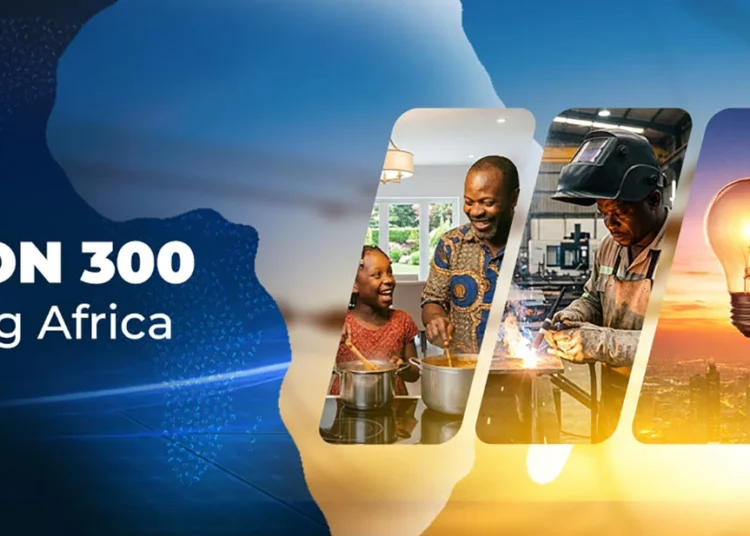
Mission 300, launched in 2024 to connect 300 million Africans to electricity by 2030, is expected to expand significantly this year through fresh financing, new country programmes and stronger regional electricity markets.
The latest push comes only days after questions emerged over the programme’s claim that it had already connected more than 50 million people across Africa. Analysts argue that many of the reported connections were delivered through projects approved years before Mission 300 was launched, prompting a wider debate about how progress under the initiative should be measured.
With implementation now entering a new stage, attention is shifting from headline figures to whether the programme can finance new infrastructure capable of transforming electricity access across the continent.
Focus shifts to new investments
According to Bloomberg, both development banks intend to approve additional projects this year while expanding support for countries implementing energy sector reforms under Mission 300.
The African Development Bank is expected to finance projects capable of connecting up to 15 million additional people to electricity, including a US$59 million mini-grid programme in Eritrea, while the World Bank says more than 40 African countries are expected to complete National Energy Compacts outlining reforms needed to improve electricity access.
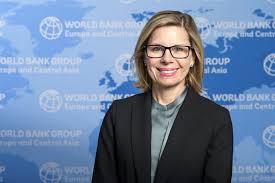
World Bank Managing Director of Operations Anna Bjerde said policy certainty would determine whether private investment follows public financing.
Governments have to double down on reforms because nothing flows in an area where there’s uncertainty. There’s no investment flowing to uncertainty.
Anna Bjerde, Managing Director of Operations, World Bank
Her remarks reinforce a message increasingly echoed across Africa’s energy sector that finance alone will not close the continent’s electricity gap unless governments create predictable regulatory environments that encourage long-term investment.
Power pools back in focus
Another major priority is regional electricity trading.
Mission 300 is expected to support stronger power pools that allow countries with surplus electricity to export power to neighbours experiencing shortages, reducing costs while improving energy reliability.
We’re really back into power pools. If Africa can get these pools to work, you can lower costs across borders and take advantage of countries with surpluses.
Anna Bjerde, Managing Director of Operations, World Bank
For Ghana, that matters. As a member of the West African Power Pool, Ghana already trades electricity with neighbouring countries. Stronger regional interconnections could improve electricity security, reduce supply risks during generation shortfalls and create additional revenue opportunities when domestic generation exceeds local demand.
Beyond the numbers
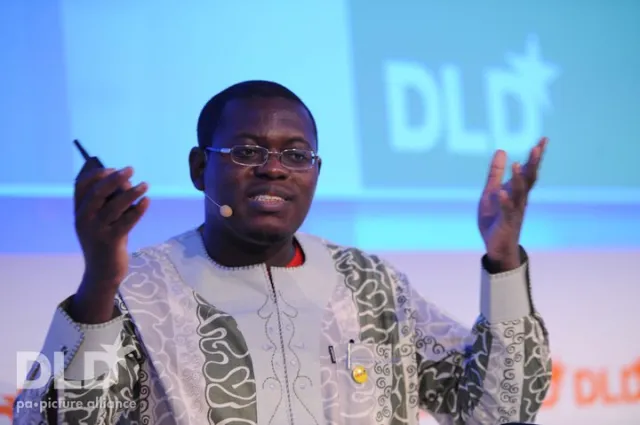
The latest developments also arrive shortly after The Vaultz News reported concerns raised by IMANI Africa Honorary Vice President Bright Simons, who questioned whether Mission 300’s reported 50 million beneficiaries reflected genuinely new electricity connections.
His analysis argued that while millions of Africans had indeed gained electricity access, many of the projects being counted had been approved long before Mission 300 officially began.
The distinction matters because Africa still has more than 600 million people living without electricity.
If governments and development partners are to achieve their 2030 target, future progress will increasingly be judged not by cumulative statistics but by visible investments in transmission lines, substations, mini-grids, renewable energy projects and last-mile distribution networks.
Why Ghana should pay attention
Mission 300’s next phase also aligns with Ghana’s own energy priorities.
The country continues to pursue electricity sector reforms, renewable energy deployment and greater private sector participation while seeking to strengthen its transmission infrastructure and expand regional electricity trade.
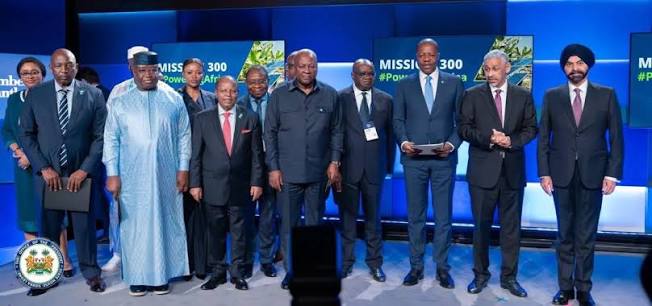
Those objectives mirror the broader direction of Mission 300, suggesting Ghana could benefit from additional financing if reforms continue to improve the investment climate.
The programme could also complement ongoing efforts to modernise electricity infrastructure, improve reliability and support industrial growth, provided investments translate into physical assets rather than policy commitments alone.
A defining test
Mission 300 has already succeeded in placing Africa’s electricity challenge at the centre of global development finance.
Its next challenge may be more difficult.
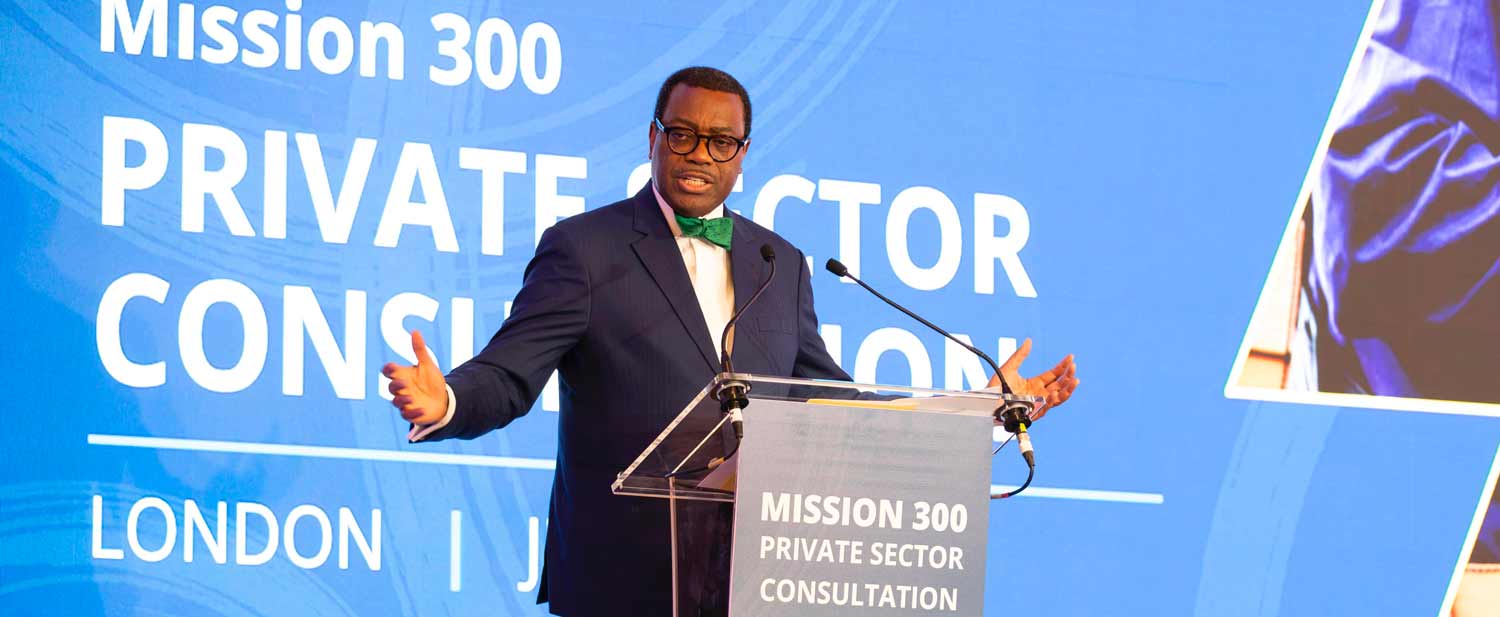
It must now convince governments, investors and citizens that future milestones represent genuinely new infrastructure capable of changing lives across the continent.
For millions of Africans still waiting for reliable electricity, including many communities in Ghana, the real measure of success will not be how many connections appear on a dashboard, but how many homes, schools, hospitals and businesses finally receive dependable power.
READ ALSO: Government Halts Public Sector Pay Renegotiations as Emoluments Commission Takes Shape