Ghana’s inflation rate dropped sharply to 3.8 percent in January 2026, marking its lowest level since the rebasing of prices in 2021 and extending a steady disinflation trend that has now lasted for thirteen consecutive months.
The latest Consumer Price Index data show a significant improvement from the 5.4 percent recorded in December 2025, reinforcing optimism about the country’s macroeconomic recovery.
The January outcome represents a dramatic turnaround from the same period last year. Inflation stood at 23.5 percent in January 2025, meaning the current figure reflects a massive 19.7 percentage point year on year decline. Analysts say the sustained drop signals improving price stability and easing cost pressures for households and businesses.
Consumer Price Index Shows Moderate Annual Increase
According to figures released by the statistical authorities, the Consumer Price Index rose to 262.3 in January 2026 from 252.6 in January 2025. This increase translated into a year on year inflation rate of 3.8 percent, confirming that overall price growth has slowed significantly over the past twelve months.
On a month on month basis, inflation stood at 0.2 percent, indicating that prices increased only marginally between December 2025 and January 2026. Economists note that such a low monthly increase suggests relative stability in the general price level and reduced volatility compared to the sharp price movements experienced in previous years.

Food and Non Food Inflation Continue to Ease
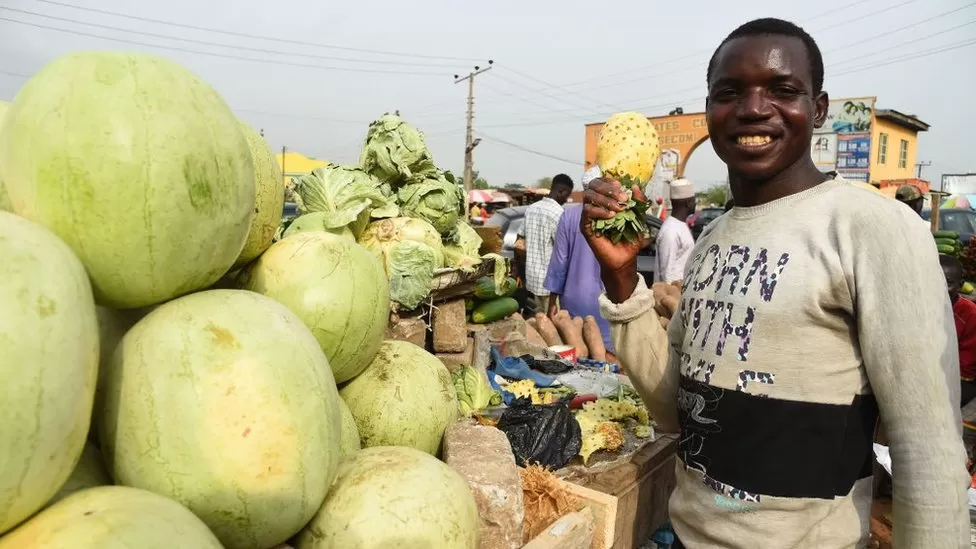
The easing inflation trend was broad based, covering both food and non food categories. Year on year food inflation declined to 3.9 percent in January 2026, down from 4.9 percent in December 2025. This decline is expected to bring some relief to households, particularly lower income earners who spend a large share of their income on food.
Non food inflation also slowed considerably to 3.9 percent from 5.8 percent over the same period. However, non food prices recorded a 0.4 percent month on month increase, suggesting that some cost pressures remain in areas such as utilities, transport and manufactured goods.
Goods and Services Prices Show Divergent Trends
A closer look at the inflation breakdown shows that prices of goods slowed further, with inflation for goods easing to 3.6 percent. This reflects softer price increases for both locally produced and imported items, although the pace of decline differed between the two categories.
Services inflation also moderated, easing to 4.0 percent in January 2026 from 4.5 percent in December 2025. Despite the slowdown, services prices increased by 0.3 percent on a month on month basis, indicating ongoing adjustments in sectors such as housing, education, health and personal services.
The data highlight a notable difference between inflation trends for locally produced goods and imported items. Inflation for locally produced items slowed sharply to 2.0 percent, compared with 4.3 percent for imported goods. This gap underscores continued cost pressures associated with imports, including exchange rate effects, shipping costs and external supply conditions.
Analysts say the lower inflation for local products reflects improved domestic supply, better harvests and relatively stable input costs. It also strengthens the case for promoting local production as a buffer against external shocks and imported inflation.
Regional Disparities Remain a Concern
Despite the overall disinflation trend, regional disparities in inflation persist across the country. The North East Region recorded the highest inflation rate at 11.2 percent in January 2026, while the Savannah Region posted the lowest rate at 2.6 percent.
Authorities attribute these differences largely to variations in local supply conditions, transport costs and market access. Regions with weaker infrastructure and higher logistics costs tend to experience higher prices, even when national inflation is declining. Policymakers say addressing these structural issues remains critical to ensuring that the benefits of lower inflation are felt evenly across all regions.
Economists and market watchers say the sustained decline in inflation points to improving macroeconomic stability and could support expectations of easing cost pressures in the months ahead. Lower inflation may also create room for more accommodative monetary policy, potentially reducing borrowing costs for businesses and households.
While risks remain, particularly from external shocks and regional price imbalances, the January 2026 inflation data mark a significant milestone in Ghana’s economic recovery. The plunge to 3.8 percent signals renewed confidence in the country’s ability to tame inflation and restore price stability after years of elevated cost pressures.
READ ALSO:Kennedy Agyapong Rules Out Independent Bid but Slams Betrayal