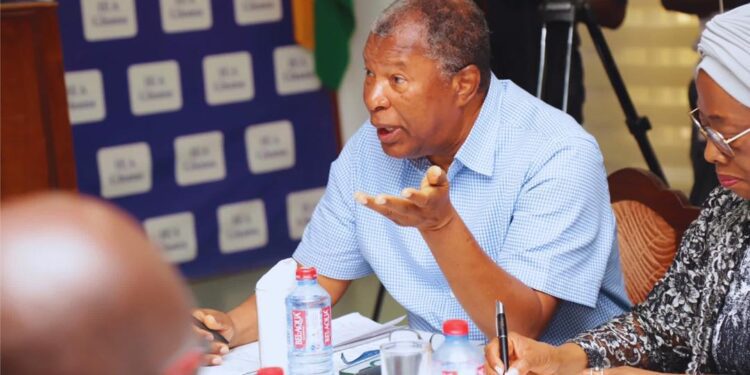
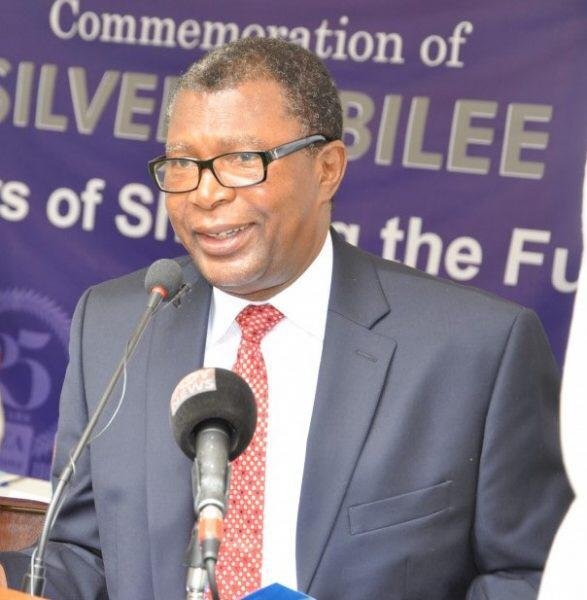
Founder and Chairman of the Institute of Economic Affairs (IEA), Dr. Charles Mensa, has criticized government’s proposed sliding scale royalty regime, demanding that the management of the nation’s mineral wealth be fully integrated into President Mahama’s ‘Reset Agenda.’
Speaking in an interview with Vaultz News, Dr. Mensah argued that the sliding scale model currently being presented to the Parliamentary Select Committee on Lands and Natural Resources is a mere rebranding of antiquated colonial fiscal structures.
He cautioned that continuing to grant 100% ownership of mineral assets to foreign firms in exchange for a meager 10% return is a “wicked” arrangement that contradicts the President’s call for a fundamental economic reset and national sovereignty over natural resources.
“But for me, what I hear from the President and discussions with him and other people, he’s very much in tune with what Ghana needs. And I think that’s the word reset. When he says reset, this is also part of the reset agenda.”
Dr. Charles Mensa
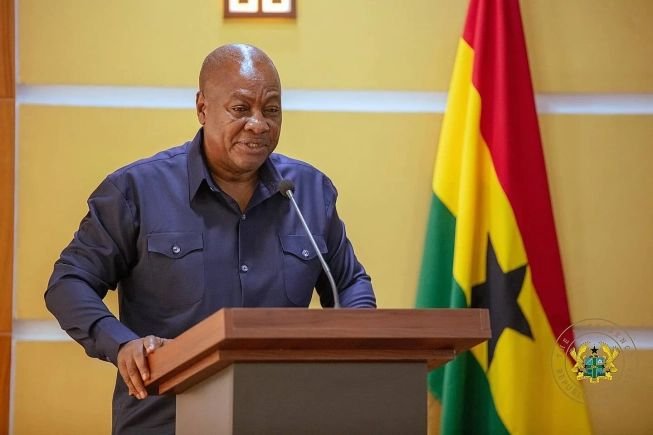
Dr. Mensah revealed his disappointment with the proceedings in Parliament, noting that the “mood” suggested an early consensus on a system he likens to the old Guggisberg royalty framework.
He asserted that the history of mining is littered with “sliding scales” introduced by foreign firms whenever flat-rate systems were rejected, functioning as a fallback to maintain foreign dominance.
Dr. Mensah’s intervention underscores a growing demand for the state to move away from concession-based models toward service contracts. He maintains that if Ghana truly intends to “reset,” it must leverage its 100% ownership of gold and lithium to negotiate as a capital-holding sovereign rather than a passive recipient of royalties.
The Colonial Trap: Why the Sliding Scale Fails

The IEA Chair’s primary contention is that the sliding scale is “nothing new at all” and represents a “colonial history” where the state is perpetually short-changed.
Under the current and proposed arrangements, Ghana typically retains a small carried interest while the bulk of the resource value is exported.
Dr. Mensah argued that this philosophy is “sad” and “antiquated,” failing to account for the reality that “gold is money.”
By clinging to a system that prioritizes a 10% royalty over direct ownership, the country remains trapped in a cycle of revenue leakages. He pointed to the shifting paradigms in Burkina Faso, Mali, and Niger as evidence that the “kind of thinking” regarding resource ownership is evolving globally, leaving Ghana’s current mineral-royalty business looking increasingly out of step with modern economic liberation.
Reclaiming Sovereignty through the ‘Reset’
To salvage the economy, Dr. Mensah aligns his position with the “reset” vision, advocating for a total shift in how contracts are awarded. Instead of transferring the rights to 100% of the mineral wealth to entities like Atlantic Lithium, he proposes that the state should “give contracts to the same Atlantic” to operate as service providers while the nation retains its equity.
This view suggests that Ghana’s mineral wealth is sufficient collateral to solve its capital woes. “When you have gold, you have capital,” Dr. Mensah noted.
By reclaiming these rights, the IEA believes the state can bypass the 17-time reliance on IMF bailouts and instead use its minerals to drive industrial transformation and direct wealth creation.
A New Path for Ghana’s Extractive Sector
The way forward, according to the IEA, involves a firm refusal to be “called” or swayed by proponents of the sliding scale business. The demand is clear: a total rejection of the “wicked” 10% return model in favor of full sovereignty.
As the Parliamentary Select Committee deliberates, the IEA’s stance serves as a reminder that a true “reset” cannot occur if the nation’s most valuable assets are still governed by frameworks designed in the Guggisberg era.
By treating mining firms as contractors rather than owners, Ghana can ensure that 100% of the value of its resources stays within its borders to fund the national development agenda.
READ ASLO : Trade Minister Pledges Infrastructure Support For Beverage Giants