Cardinal Namdini Mining Limited, a subsidiary of Shandong Gold Co., Ltd., has reaffirmed its dedication to establishing a gold mining legacy built on transparency, strict accountability, and sustainable development within Ghana.
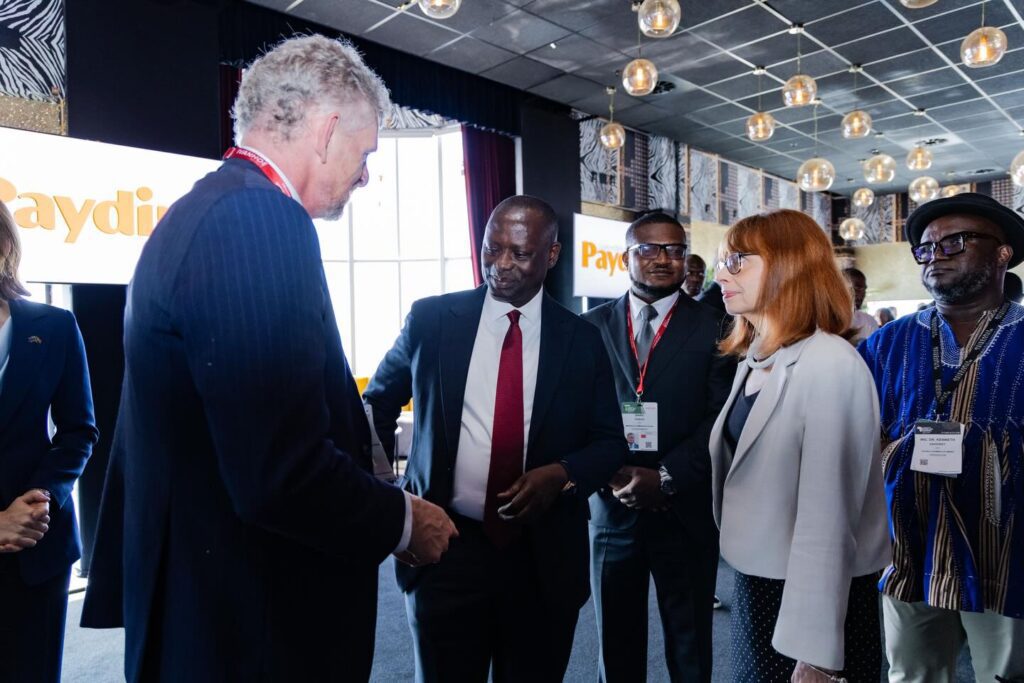
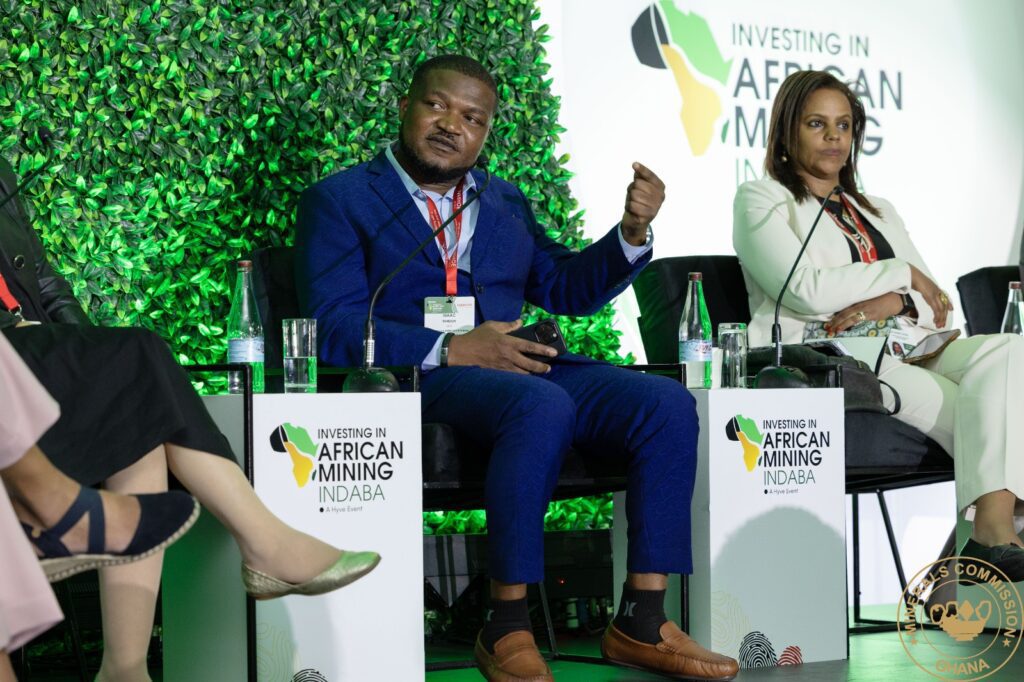
During the 2026 Investing in African Mining Indaba, the company’s Vice President, Vincent Sun articulated that the company prioritizes strategic vision that moves beyond simple mineral extraction.
This pledge emphasizes the deployment of world-class operational standards to ensure that the wealth generated from the Nangodi Greenstone Belt translates into tangible, long-term benefits for the Ghanaian people and the national economy.
The company backed by the global expertise of the Shandong Gold Group is integrating international best practices with local socio-economic priorities to redefine large-scale mining in the Upper East Region.
“Our expertise is here to serve Ghana and to help unlock the best of this nation. We want host communities to know that their children will have better opportunities because Cardinal Namdini was here.”
Vincent Sun
With a flagship project estimated to span over 15 years, Cardinal Namdini is focusing on human capital as its primary engine of growth, boasting a workforce that is 95% Ghanaian.
This “Ghana-first” approach is further evidenced by a staggering US$60 million investment in local procurement to date, aimed at bolstering domestic business capacity and ensuring that the mining value chain remains firmly rooted in the country.
Strategic Alignment with National Regulatory Frameworks
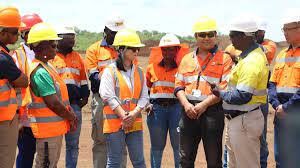
Cardinal Namdini’s operational blueprint is meticulously designed to mirror the stringent requirements of the Minerals and Mining Act, 2006 (Act 703) and the Minerals and Mining(Local Content and Local Participation) Regulations, 2020 (L.I. 2431).
By maintaining a 95% indigenous workforce, the company surpasses the standard localization ratios which typically mandate a gradual reduction of expatriate staff to below 10% in the initial years of production.
Furthermore, the company’s US$85.5 million total economic contribution aligns with the fiscal transparency protocols monitored by the Ghana Revenue Authority and the Minerals Commission, ensuring that the state receives its fair share of mineral rents and royalties.
Environmental Stewardship and Social License
In the extractive industry, a “social license to operate” is as critical as a legal permit. Cardinal Namdini has characterized the land entrusted to them as a “responsibility, not an entitlement,” a philosophy that aligns with the Environmental Assessment Regulations, 1999 (L.I. 1652).
The company’s focus on leaving a “sustainability legacy” involves proactive land reclamation plans and community infrastructure development, such as the 25-kilometer road network connecting 10 communities.
These initiatives meet the Corporate Social Responsibility (CSR) expectations of the MineralsCommission, which encourages mining firms to serve as catalysts for regional development beyond the life of the mine.
Economic Value and Future Prospects
The Namdini Gold Project is positioned to be a cornerstone of Ghana’s extractive economy, with an estimated production of five million ounces of gold over its lifespan.
Mr. Sun’s pledge of “transparency, respect, and accountability” serves as a signal to international investors and local stakeholders that the project is anchored in high-governance standards.
By investing heavily in modern processing plants and tailings storage facilities, the firm is adhering to the Minerals and Mining (Health, Safety and Technical) Regulations, 2012(L.I.2182), ensuring that innovation drives efficiency without compromising the safety of the 2,260-strong workforce or the surrounding ecosystem.
READ ALSO: SIC Reaffirms Trust with GHS107m Claims Settlement