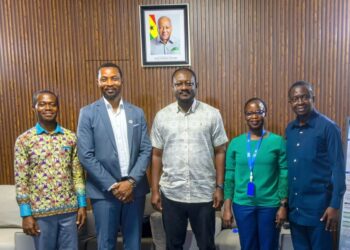
Mining expert, Rehoboam Yaw Sam has called on the Government of Ghana (GoG) to prioritize a Public-Private Partnership (PPP) framework as the state prepares to take full control of the Damang Gold Mine.
This strategic recommendation comes as the 12-month transitional lease for Gold Fields is set to expire on April 18, 2026, marking a pivotal shift toward indigenous resource sovereignty. By adopting a PPP model, the government can secure the necessary technical expertise and capital investment required to sustain the mine’s productivity without bearing the full weight of operational risks.
“I don’t support state mine; our history is very disturbing. GoG should consider a PPP agreement where it has no appointing power so a party’s foot-soldier, who doesn’t know anything about geology, won’t get appointed as the MD.”
Rehoboam Yaw Sam
Furthering his argument, the expert suggested that the GoG should aim for a shareholding structure between 45% and 50%, describing this as the optimal balance for maintaining national interest while ensuring investor confidence.
He emphasized that for the mine to remain commercially viable, the state must “abstain from the entire management” of the facility, including staffing, accounting, and daily operations.
Under this proposal, the government’s role would be restricted to oversight, intervening only during “critical moments” to protect national assets, thereby shielding the mine from the “disturbing history” of state-managed extractive failures.
Insulation from Political Patronage

The expert’s primary concern lies in the potential for “political capture” that has historically plagued Ghanaian state-owned enterprises.
Yaw Sam insisted that the GoG must relinquish “all appointing power” to ensure that qualified professionals rather than political “foot-soldiers” lead the mine’s technical departments.
By delegating the hiring of the Managing Director and General Manager to a private partner, the Damang Mine can utilize modern “mining methods and geology” without the interference of partisan interests.
This “arm’s-length” approach is seen as a necessary safeguard to prevent the asset from becoming a casualty of political patronage. Meanwhile other analyst warned that the move to takeover Damang Mine erodes investor confidence.
Economic Impact and Technical Sustainability

The takeover of the Damang Mine represents a significant test of Ghana’s “resource nationalism” policy, with potential impacts ranging from increased fiscal revenue to operational volatility.
Recent feasibility studies submitted to the Minerals Commission indicate that the mine could sustain an additional nine years of life, producing between 100,000 and 150,000 ounces of gold annually.
However, achieving this requires a substantial capital injection of approximately $500 million to $600 million. A PPP arrangement would allow the state to tap into private funding for these “waste-stripping campaigns” and infrastructure upgrades, ensuring the mine remains a contributor to the national treasury rather than a liability.
Mitigating Risks of the Transition
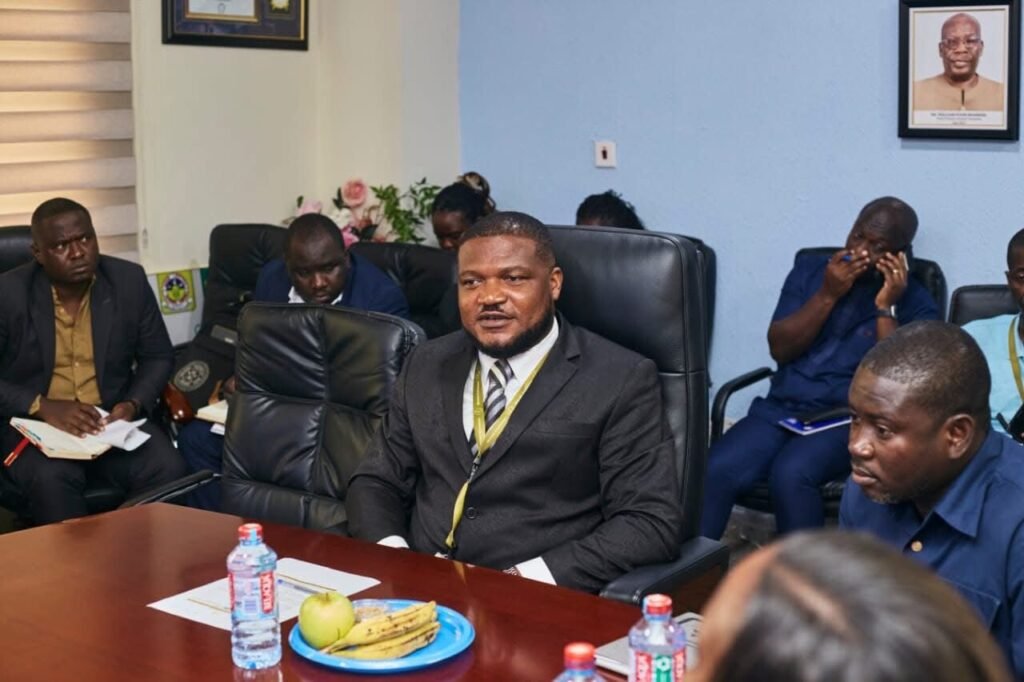
As the April 18 deadline approaches, the extractive sector remains wary of the “policy paralysis” that often accompanies state transitions.
While the government-appointed transition team has been on-site since July 2025, Sam warns that a lack of a clear, private-sector-led management plan could lead to “unauthorized access or disruptions” of mine assets.
To mitigate these risks, the proposed PPP must be legally robust, ensuring that “valid service contracts are honored” and that the 1,500 to 2,000 livelihoods dependent on the mine are not jeopardized by a sudden shift in operational philosophy.
READ ALSO: Ukrainian Delegation To Meet Trump Envoys