The Government of Ghana is preparing to return to the domestic bond market with the issuance of long-dated securities following the expiration of restrictions imposed under the Domestic Debt Exchange Programme.
The move signals a significant shift in the country’s debt management strategy and reflects renewed confidence in macroeconomic stability.
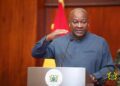
Deputy Minister of Finance, Thomas Nyarko Ampem, disclosed that the government will soon initiate the issuance of long-dated domestic bonds. According to him, the expiration of the three-year restriction presents a timely opportunity for the government to explore long-term financing options to support national development priorities and the budget.
The restrictions, introduced in 2023 as part of the Domestic Debt Exchange Programme, were aimed at preventing the government from issuing new domestic bonds after the debt default that preceded the programme. The measure formed part of broader efforts to stabilise the domestic debt market and restore macroeconomic credibility.
“What we were hoping for was this expiration, so the government can take action in exploring ways of issuing new domestic bonds,” Mr Nyarko Ampem said.
Expanding Financing Options
With the restrictions now lifted, the government is seeking to diversify its domestic borrowing strategy. The renewed ability to issue long-dated bonds will allow authorities to move beyond short-term instruments such as Treasury bills, which have dominated recent financing operations. “Government now has the option to look at issuing new bonds to support the country’s finances,” he noted.
The Deputy Minister explained that this approach will create room for raising long-term funds to finance some of the government’s initiatives and strengthen the sustainability of public finances. Analysts believe that issuing longer-tenor bonds could significantly improve Ghana’s debt maturity profile and reduce refinancing pressures that arise from heavy reliance on short-term borrowing.
Some market watchers suggest that the bond issuance could begin as early as March 2026. There are also indications that offshore participation may be permitted, a move that could boost liquidity and strengthen investor confidence in Ghana’s debt instruments.
The timing is considered strategic, particularly in light of the recent decline in Government of Ghana Treasury Bill rates to the single-digit range. Lower short-term rates may make long-dated bonds more attractive to institutional investors seeking stable and predictable returns.
Opportunities for Pension Funds and Investors
The reopening of the long-term bond market is expected to create fresh investment avenues for pension fund managers and other long-term investors.
The Deputy Minister noted that the development will provide managers of pension funds and other long-term investors a fresh avenue to “invest their funds.”
For pension funds, which require long-term assets to match their liabilities, the return of longer-dated domestic bonds offers an opportunity to align their investment strategies more effectively. It also reduces the need to concentrate portfolios heavily in short-term government securities.
Financial analysts argue that the move could deepen Ghana’s domestic capital market and encourage more structured, long-term investment planning within the financial sector. By extending maturities, the government may also create a more balanced debt portfolio that spreads repayment obligations over a longer horizon.
Current Economic Gains and Sustainability
Mr Nyarko Ampem also addressed concerns about whether recent improvements in economic indicators are translating into tangible benefits for citizens. He firmly rejected claims that the progress recorded is not being felt by Ghanaians.
“If you look at the current indicators, the economy has improved significantly compared to what the government inherited in December 2024.”
Mr Nyarko Ampem
He pointed to price reductions in essential goods as evidence of improvement. “A bag of sugar has reduced significantly, and the same applies to building materials, which has directly impacted individuals and businesses,” he added.

The Deputy Minister expressed confidence that the improving macroeconomic environment will continue to ease pressures on businesses and households. He highlighted low interest rates as a critical factor that could lower the cost of doing business and stimulate private sector growth.
Market analysts note that sustained stability in inflation and interest rates will be key to ensuring the success of the planned bond issuance. A stable macroeconomic environment typically enhances investor appetite for long-term instruments.
Commitment to Fiscal Discipline
Beyond the bond issuance, the Finance Ministry has reiterated its commitment to fiscal discipline. Mr Nyarko Ampem dismissed reports suggesting that the government is overspending. “We are spending in the right places and on work executed,” he said.
According to him, prudent financial management remains central to sustaining the gains achieved so far. He added that Ghana’s economic stability and management efforts have been recognised by development partners and investors.
The renewed access to long-term domestic financing is therefore being framed as part of a broader strategy to consolidate macroeconomic stability and rebuild confidence in the economy.
As Ghana prepares to re-enter the long-dated bond market, expectations are high that the move will not only support fiscal operations but also signal a new phase of stability and structured growth in the country. If successfully executed, the strategy could mark a turning point in Ghana’s journey toward sustainable debt management and stronger investor confidence.
READ ALSO: GSE Climbs 48% In Four Weeks