Ghana’s economy has delivered one of its strongest early-year performances in recent times, with economic activity expanding by an impressive 7.7 percent in February 2026.
The latest figures, released under the Monthly Indicator of Economic Growth, point to a sharp acceleration in national output and signal renewed momentum across key sectors of the economy.
The data, disclosed by the Government Statistician Dr. Alhassan Iddrisu, offers an early glimpse into the country’s economic trajectory ahead of the official first quarter Gross Domestic Product estimates. Compared to the 3.9 percent growth recorded in February 2025, the latest performance reflects a significant improvement in economic conditions and growing confidence across productive sectors.
Stronger Growth Signals Economic Momentum
The 7.7 percent year-on-year growth recorded in February 2026 has sparked optimism among policymakers, investors, and business leaders. The remarkable expansion suggests that Ghana’s economic recovery is gathering pace, supported by increased production levels, resilient business activity, and expanding service delivery.
Economic analysts believe the latest numbers reinforce signs that strategic reforms, improved macroeconomic stability, and stronger sectoral performance are beginning to yield measurable outcomes.
The Monthly Indicator of Economic Growth serves as an important economic barometer, providing policymakers and market participants with timely information on the country’s economic health before official GDP releases.

Industry Emerges as Growth Champion
The industrial sector emerged as the biggest driver of growth in February 2026, delivering a remarkable performance that significantly boosted overall economic activity.
According to the data, industrial output recorded substantial expansion compared to the same period last year, when the sector grew by just 2.8 percent. This sharp improvement underscores renewed strength in production activities and industrial operations.
Key contributors to the sector’s impressive performance included mining and quarrying, manufacturing, and electricity generation.
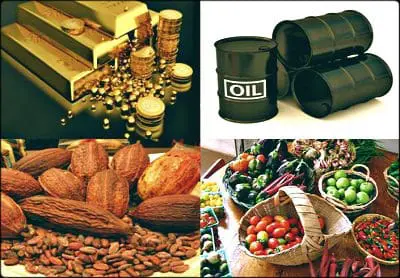
Mining activity continued to benefit from strong global commodity demand and improved operational output from major producers. Ghana’s mineral sector remains one of the country’s most critical sources of export revenue and foreign exchange earnings.
Manufacturing also posted stronger results, reflecting increased domestic production, improved supply chain efficiency, and growing market demand for locally produced goods.
Electricity production further contributed to the sector’s expansion, helping sustain industrial operations and support productivity across the broader economy.
Industry’s performance is increasingly becoming a major pillar in Ghana’s economic transformation agenda, with experts noting that sustained industrial growth could create jobs, boost exports, and strengthen fiscal stability.
Services Sector Maintains Upward Momentum
The services sector also delivered a strong performance, recording 7.4 percent growth in February 2026, up from 4.4 percent in February 2025. This growth demonstrates the sector’s resilience and its continued importance in driving economic activity.
Among the strongest performers were information and communication, finance and insurance, wholesale and retail trade, and healthcare services.

The information and communication sector continues to benefit from digital transformation, increased internet penetration, mobile technology adoption, and expanding digital financial services.
The finance and insurance industry also maintained positive momentum as improved business confidence and financial inclusion supported growth.
Trade activity remained robust as consumer spending showed signs of recovery, while healthcare services continued to expand in response to growing demand and investment in medical infrastructure.
With services accounting for a significant share of Ghana’s economic output, the sector’s consistent performance remains vital for sustaining growth momentum.
Agriculture Shows Positive Growth Despite Slower Pace
Ghana’s agricultural sector recorded 3.8 percent growth in February 2026. Although this represents a slower pace compared to the 9.4 percent growth recorded in February 2025, the sector still maintained positive momentum and contributed to overall economic expansion.
Crop production, livestock farming, and forestry activities remained key contributors to agricultural output. Experts suggest the moderation in agricultural growth may reflect seasonal factors, climatic conditions, or shifts in production cycles rather than structural weakness.
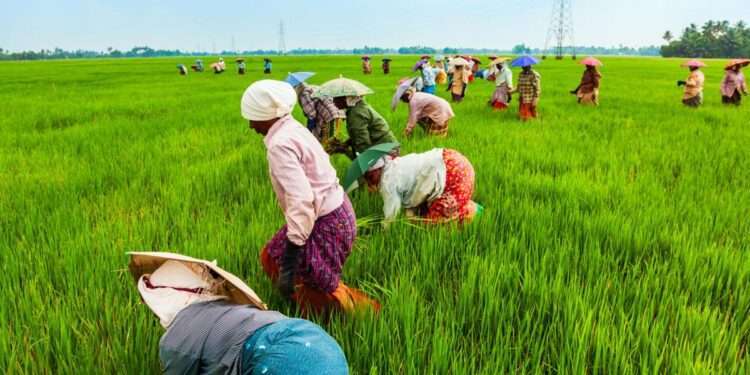
Agriculture remains a strategic sector for Ghana, employing a large share of the population and supporting food security, rural livelihoods, and industrial raw material supply.
Sustained investment in irrigation, mechanization, storage infrastructure, and agricultural financing is expected to improve the sector’s long-term productivity.
Early Economic Data Builds Investor Confidence
The strong February growth figures are likely to boost investor sentiment both locally and internationally.
As Ghana continues to pursue economic stabilization and structural reforms, positive economic indicators such as the Monthly Indicator of Economic Growth can strengthen confidence in the country’s investment climate.
For businesses, stronger economic activity often translates into increased demand, higher productivity, and improved profitability.

For the government, the data provides encouragement that policy interventions aimed at stabilizing inflation, supporting industrialization, and promoting private sector growth may be producing tangible results.
Eyes Now on First Quarter GDP Figures
With the February numbers now showing robust economic momentum, attention is shifting toward Ghana’s official first quarter GDP figures, which will provide a broader picture of the economy’s performance in 2026.
If current trends continue, Ghana could be on track for one of its strongest annual growth performances in recent years. The latest economic indicators suggest one clear message. Ghana’s economy is not just recovering. It is accelerating.
READ ALSO: Ghana Stock Exchange Bears Tighten Grip, Capitalization Slumps