Ghanaian music executive Bullet, CEO of Rufftown Records, has stirred controversy in the industry with fresh claims about his past dealings with dancehall/reggae star Stonebwoy.
In a recent interview, Bullet asserted that he signed Stonebwoy to his label around 2015 shortly after the artist parted ways with Samini’s High Grade Family.
He further alleged that Stonebwoy failed to respond to a feature request for his then-artiste, the late Ebony.
“I signed Stonebwoy to a label I co-founded after he left Samini, but when I wanted a feature for Ebony, he never responded”
Bullet, CEO of Rufftown Records
The comments have ignited heated debates online, particularly among Stonebwoy’s passionate BHIM Nation fanbase, who quickly pushed back against the narrative. Many fans pointed out that there was no formal signing to Rufftown Records.
Instead, they described the relationship as a partnership for Stonebwoy’s ‘Go Higher’ tour in 2015. They emphasized that Ebony was Rufftown’s flagship artiste at the time, with no public records or contracts confirming Stonebwoy as a signed act under the label.
This latest exchange revives memories of the close-knit yet competitive Ghanaian music scene in the mid-2010s. Ebony, a promising talent managed by Bullet, tragically passed away in a car accident in 2018 at the age of 23.
Reactions from Public
Fans recalled how she was nearly featured on Stonebwoy’s 2017 track “Bawasaaba” before her untimely death, adding an emotional layer to the current discourse.
One fan commented: “Stonebwoy was never signed to Rufftown, but they rather partnered for the Go Higher tour in 2015.”
Another post referenced the near-collaboration: “The Ebony wey for Dey on the bawasaaba remix or another dey? You people de3 forget unless you no get chance.”
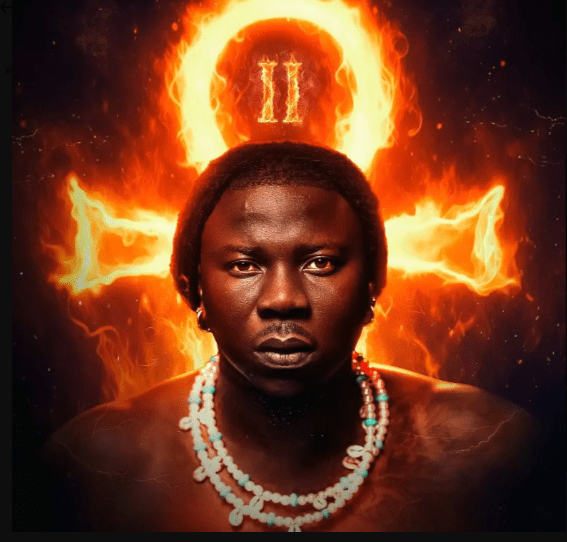
The timing of Bullet’s remarks coincides with Stonebwoy’s release of his new EP Torcher II, which has been generating significant buzz. The project features introspective tracks such as ‘Many Times’ and ‘Mountain Tall’, showcasing the artist’s continued evolution and commitment to conscious music.
Supporters have taken to social media to celebrate the release while defending their idol.
“10/10 Album #TorcherSzn #Torcherii,” one enthusiast posted alongside streaming links.
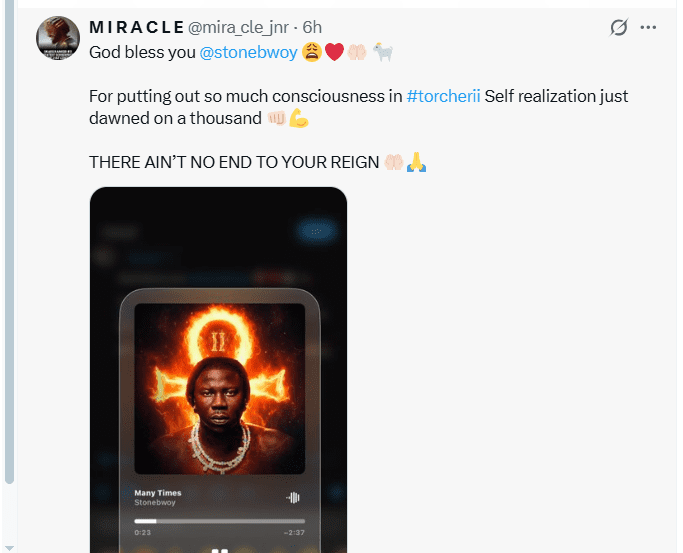
“God bless you @stonebwoy For putting out so much consciousness in #torcherii. Self realization just dawned on a thousand,” another fan wrote.
Some observers view the renewed discussion as an attempt to overshadow Stonebwoy’s current successes. “Any opportunity and these industry players want to paint Stonebwoy in a negative light,” one user remarked, urging others to focus on the music.
The Ghanaian music industry has long been characterized by shifting alliances, label disputes, and public spats that often play out on social media. Bullet’s Rufftown Records played a key role in Ebony’s rise, producing hits that highlighted her unique style before her passing.
Stonebwoy, on the other hand, has built a formidable career independently, amassing international acclaim through his energetic performances and BHIM (Black His Imperial Majesty) movement.
As Torcher II continues to stream across platforms, the conversation highlights ongoing tensions between legacy figures and established stars.
While Bullet’s claims have prompted questions about historical industry dealings, Stonebwoy’s camp and fans appear focused on the present and future, using the moment to amplify the new project.
Industry watchers note that such revelations, whether disputed or not, keep the Ghanaian music conversation alive. With both parties having contributed significantly to the local soundscape -Rufftown through talent development and Stonebwoy through global representation- the public remains divided on where loyalties and truths lie.
As one supporter summed it up while streaming the new EP: “Feed your soul with conscious music today.”
READ ALSO: Banks Exit Survival Mode With Strong Buffers