Ghana appears to be positioning itself for a major shift in its economic management strategy as discussions intensify over a possible post bailout engagement with the International Monetary Fund.
With the country’s current Extended Credit Facility programme scheduled to end in August 2026, emerging signals suggest that the government may soon request a Policy Coordination Instrument from the IMF.
If confirmed, the move would mark another important phase in Ghana’s economic recovery journey and could redefine how the country manages fiscal discipline, investor confidence, and institutional reforms after exiting the current support programme.
Sources close to the discussions indicate that the government sees the potential arrangement not as a sign of financial weakness, but rather as a strategic policy decision aimed at preserving economic credibility in the eyes of investors, development partners, and the international financial community.
Why Ghana Is Considering Another IMF Framework
The possible shift comes at a time when Ghana is still rebuilding confidence after one of its most difficult economic periods in recent history. Rising debt levels, currency instability, inflationary pressures, and fiscal imbalances forced the country into an IMF supported programme in 2023.
Since then, the government has implemented painful but necessary reforms, including debt restructuring, expenditure controls, and revenue enhancement measures. These reforms have helped stabilize parts of the economy and improve macroeconomic indicators.
However, concerns remain about whether Ghana can maintain strict fiscal discipline once the current programme officially ends.
This concern appears to be one of the key drivers behind the possible adoption of the Policy Coordination Instrument, commonly known as PCI.
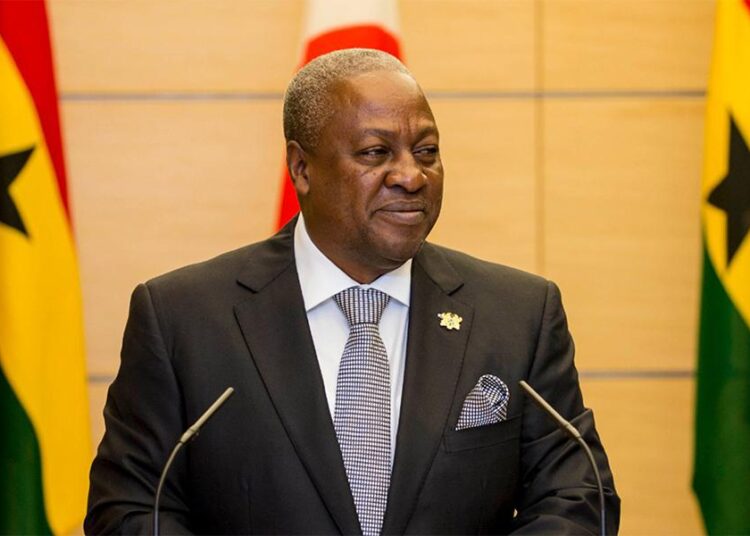
Government insiders say the instrument could serve as a policy anchor, helping ministries, departments, and agencies remain aligned with the fiscal consolidation agenda being pursued under President John Mahama.
What the Policy Coordination Instrument Means
Unlike traditional IMF lending arrangements, the Policy Coordination Instrument does not provide direct financing.
Instead, it serves as a technical policy engagement framework designed to help countries sustain economic reforms and signal commitment to sound economic management.
The instrument allows the IMF to periodically assess a country’s economic performance and reform implementation while sending a strong message to global investors that economic discipline remains intact.
For Ghana, this could become a powerful confidence building mechanism at a time when international investors continue to closely monitor the country’s fiscal outlook.
Economic analysts believe such an arrangement could also unlock additional support from development partners and encourage private capital inflows.
Investors Watching Closely
Investor sentiment remains one of the most critical factors shaping Ghana’s economic future.
Despite recent improvements in macroeconomic indicators, questions persist about long term debt sustainability, energy sector reforms, and institutional efficiency.
A post ECF arrangement with the IMF could ease some of those concerns.
Market watchers say a successful transition into a Policy Coordination Instrument would signal that Ghana is committed to maintaining reform momentum even without direct financial assistance.
That message could strengthen the country’s credit profile, support exchange rate stability, and improve access to external financing opportunities.
There are strong indications that an official announcement on Ghana’s intentions could be made in the coming weeks, possibly during the Mid Year Review of the 2026 Budget.
IMF Mission Currently in Ghana
As these discussions continue, an IMF team is currently in Ghana conducting the sixth review of the ongoing programme.
The mission is expected to conclude its work by mid May 2026.
Officials familiar with the engagements say discussions between the government and IMF representatives have generally progressed smoothly.
However, some unresolved concerns remain.
The energy sector continues to present significant fiscal challenges, particularly in relation to funding gaps, debt restructuring, and operational inefficiencies.
In the banking sector, the Fund is reportedly satisfied with progress made regarding banks with significant government ownership, although issues involving one private commercial bank remain unresolved.
These factors could influence the final assessment before Ghana’s performance report is submitted to the IMF Executive Board in August 2026.

Ghana Expected to Secure More Support
Despite lingering challenges, confidence remains high that Ghana will successfully pass the sixth review.
If approved, the country is expected to receive another tranche of disbursement under the current programme.
By the end of 2026, total disbursements under the programme could reach approximately US$2.8 billion, with the possibility of exceeding US$3 billion depending on subsequent approvals.
Such support has played a vital role in stabilizing Ghana’s economy since the programme began in May 2023.
Now, with the end of the bailout programme approaching, all eyes are on what comes next.
For President John Mahama’s administration, the possible move toward a Policy Coordination Instrument may not simply be about IMF oversight. It could become the defining signal that Ghana is determined to protect its economic gains and chart a disciplined path toward sustainable growth.
READ ALSO: Minerals Commission Reaffirms Commitment to Sustainable Mineral Resource Management