Minerals Commission has reiterated its unwavering dedication to the sustainable administration of Ghana’s extractive wealth during a high-level consultative engagement with the Parliamentary Select Committee on Lands and Natural Resources.
This affirmation centers on the Commission’s strategic evolution toward a more transparent, efficient, and environmentally conscious regulatory framework designed to balance industrial growth with ecological preservation.
By aligning its operational mandate with the long-term socio-economic interests of the state, the regulator aims to ensure that the exploitation of mineral deposits remains a cornerstone of national development while adhering to modern standards of institutional accountability.
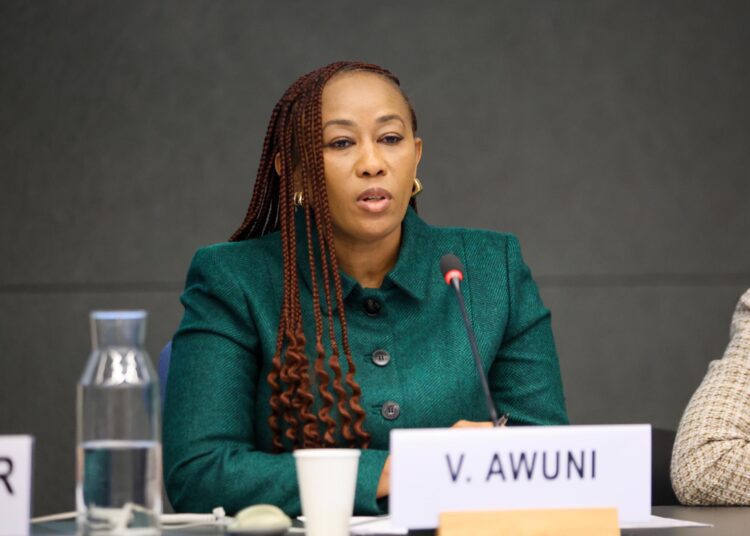
” Madam Awuni reaffirmed the Commission’s commitment to its mandate as the principal state agency responsible for the sustainable management of Ghana’s mineral resources.”
Minerals Commission
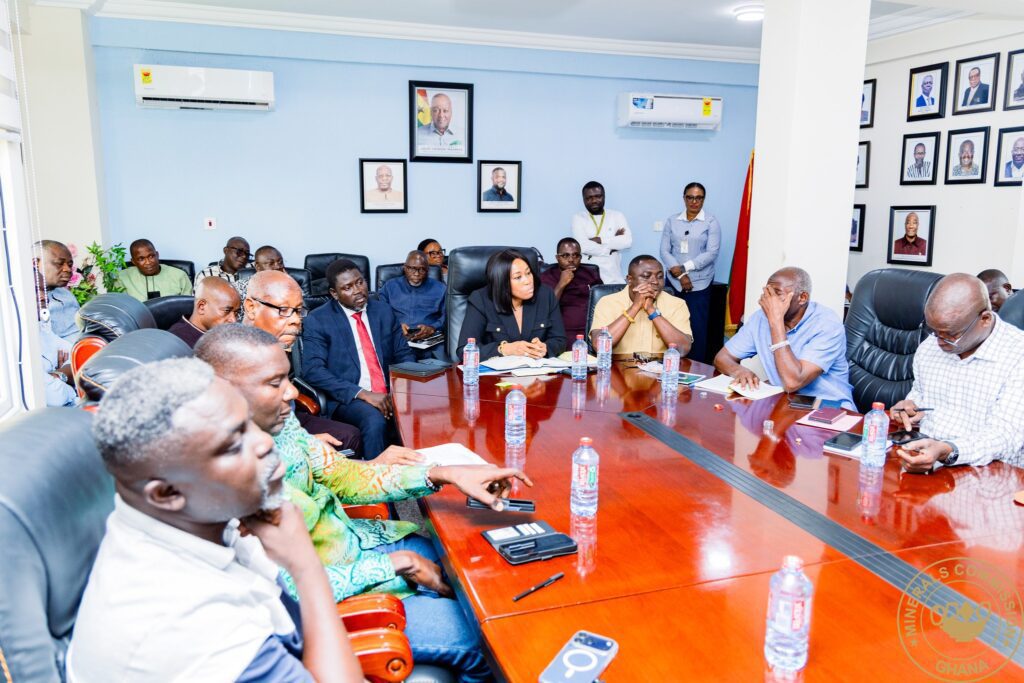
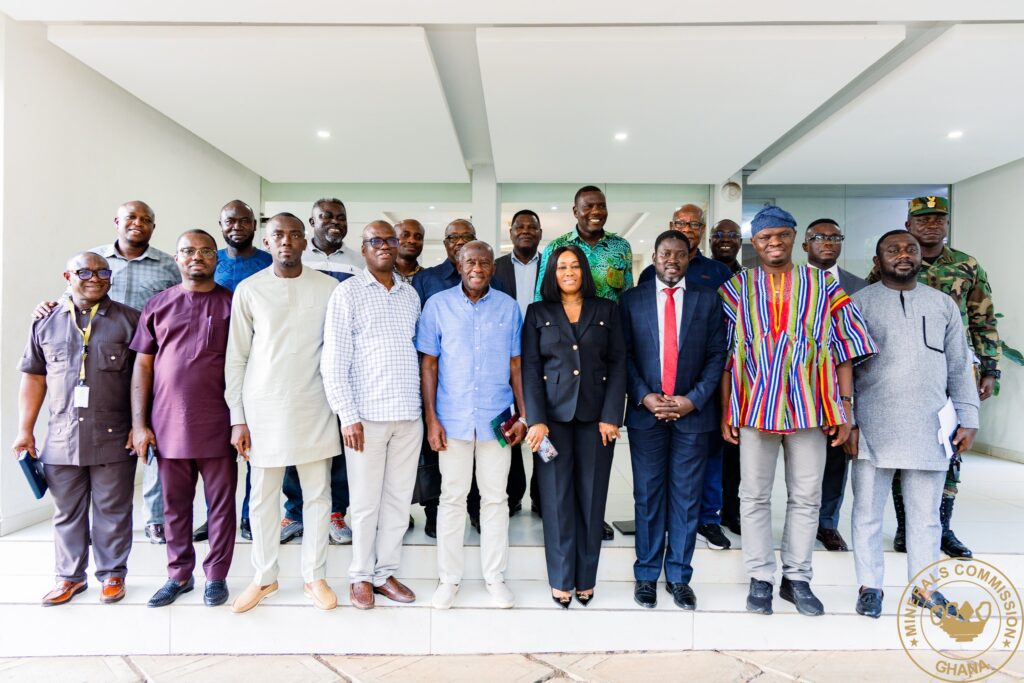
The working visit, led by Committee Chairman Hon. Collins Dauda, allowed the legislative delegation to conduct a thorough assessment of the Commission’s headquarters, focusing on its infrastructure, administrative systems, and the overall efficiency of its regulatory workflows.
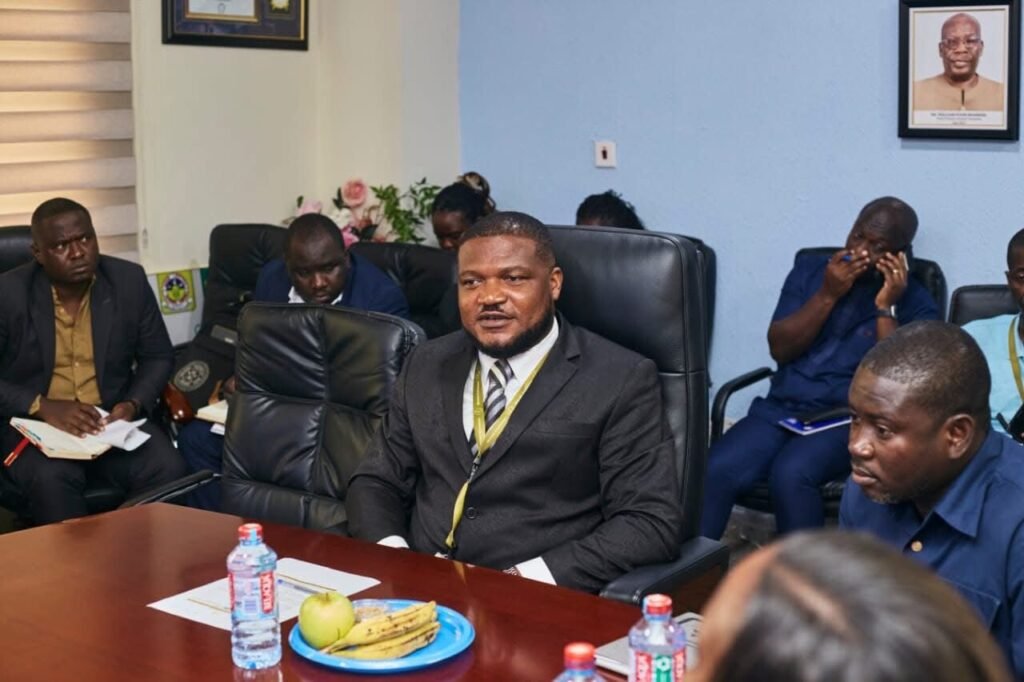
Madam Victoria Awuni, Deputy Chief Executive Officer in charge of Policy Planning, Mineral Titles, and Local Content, facilitated the session, providing an in-depth briefing on the agency’s strategic priorities, including the comprehensive digitisation of licensing regimes and the rigorous enforcement of local content regulations.
This interaction provided lawmakers with a firsthand perspective on the Commission’s readiness to meet modern, data-driven demands, while also highlighting the vital role of parliamentary oversight in ensuring that state agencies remain responsive to the dynamic needs of the mining sector.
Digitization and Legislative Reforms: A Catalyst for Growth
The Commission’s emphasis on the “digitisation of the mineral titles and licensing regime” represents a paradigm shift in how Ghana manages its geological assets.
During the session, Hon. Dauda noted that the visit provided members with a “valuable firsthand perspective on the Commission’s facilities and regulatory workflows,” which is essential for legislative bodies to draft laws that reflect the “dynamic needs of the mining sector.”
By migrating to a digital cadastre system, the Minerals Commission is minimizing human interference, thereby curbing potential corruption and ensuring that every hectare of mineral-bearing land is accounted for in real-time.
Furthermore, the “strengthening of the legal framework” mentioned by Madam Awuni is designed to create a more predictable environment for stakeholders.
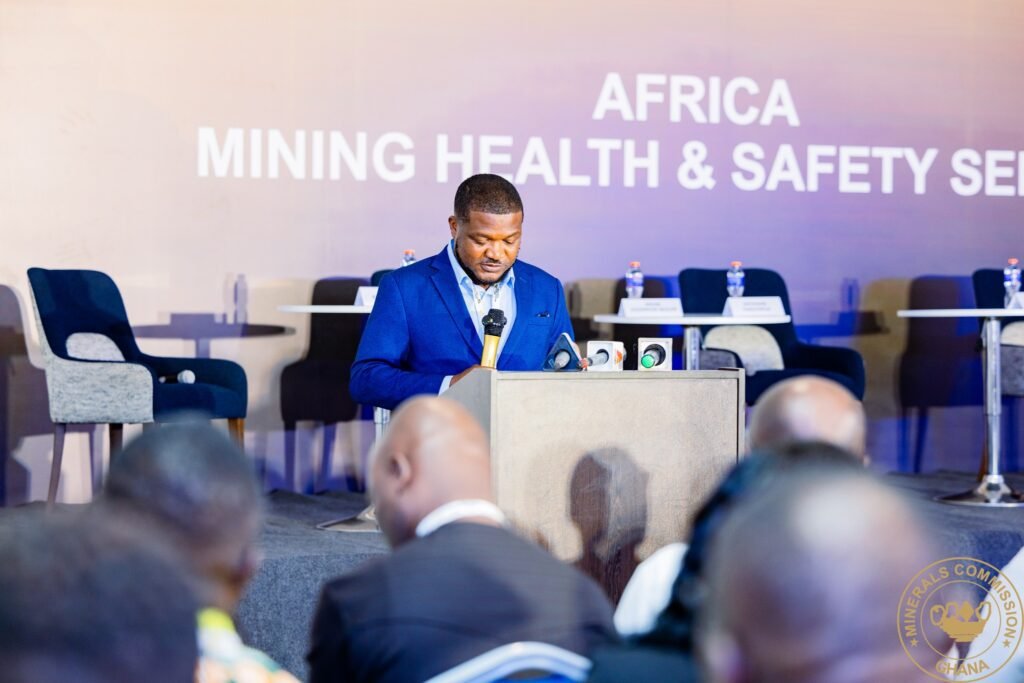
These reforms are not merely administrative; they are strategic tools used to enforce “local content regulations,” ensuring that Ghanaian businesses and personnel are prioritized within the value chain.
As the regulator moves to improve oversight of small-scale mining activities, the integration of data-driven systems allows for better monitoring of environmental compliance, which is a cornerstone of the sustainability promise.
Tackling Illegal Mining through Collaborative Oversight
A significant portion of the dialogue focused on the “ongoing strategies to combat illegal mining,” a challenge that requires a multi-agency response.
The presence of the National Anti-Illegal Mining Operations Secretariat (NAIMOS) and the Responsible Cooperative Mining and Skills Development Programme (rCOMSDEP) highlighted a holistic approach to resource protection.
These bodies provided updates on initiatives aimed at formalizing small-scale operations and providing miners with the necessary skills to operate within the ambit of the law.
By scrutinizing the “infrastructure capacity” of the Commission, Parliament is better positioned to advocate for the “resource constraints” currently facing the regulator.
This collaborative transparency is intended to bolster public confidence, ensuring that the fight against illegal mining is not just a reactive measure but a proactive, systemic reform supported by both the executive and legislative arms of government.
Assuring National Benefits through Strategic Sustainability
Research into global mining trends suggests that countries with robust, transparent regulatory frameworks like the one Ghana is currently refining attract higher-quality “ESG-conscious” (Environmental, Social, and Governance) investments.
By ensuring that “Ghana’s legislative framework continues to evolve,” the government is positioning the country as a premier destination for responsible mining.
This commitment ensures that mineral wealth leads to “notable improvements in mineral rights processing” and more direct economic linkages, such as local job creation and the development of indigenous technical expertise.
Ultimately, the synergy between the Parliamentary Committee and the Minerals Commission serves as a safeguard, ensuring that the “resource oversight” translates into tangible infrastructure, education, and economic stability for the Ghanaian people.
READ ALSO: Mahama Approves Evacuation of 300 Ghanaians from South Africa