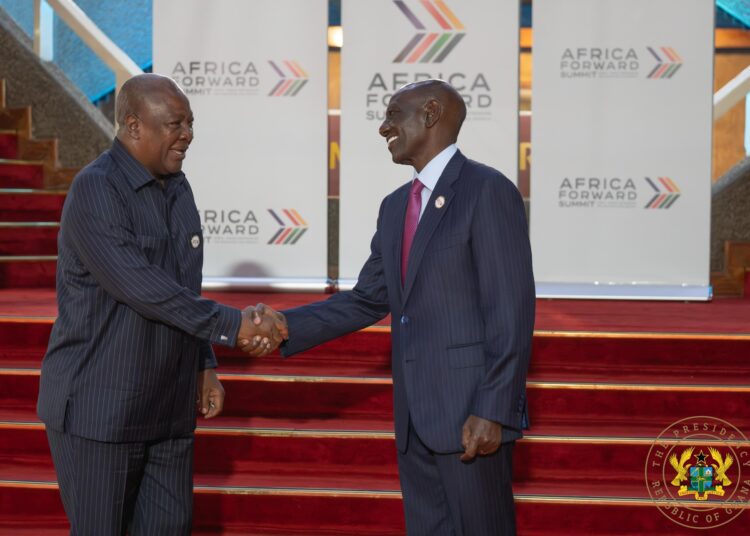
President John Dramani Mahama has returned to Ghana following what government officials describe as a successful diplomatic and policy engagement at the Africa Forward Summit in Nairobi, where African leaders, international institutions, and global development partners gathered to shape a new framework for economic resilience, climate action, healthcare transformation, and financial cooperation across the continent.
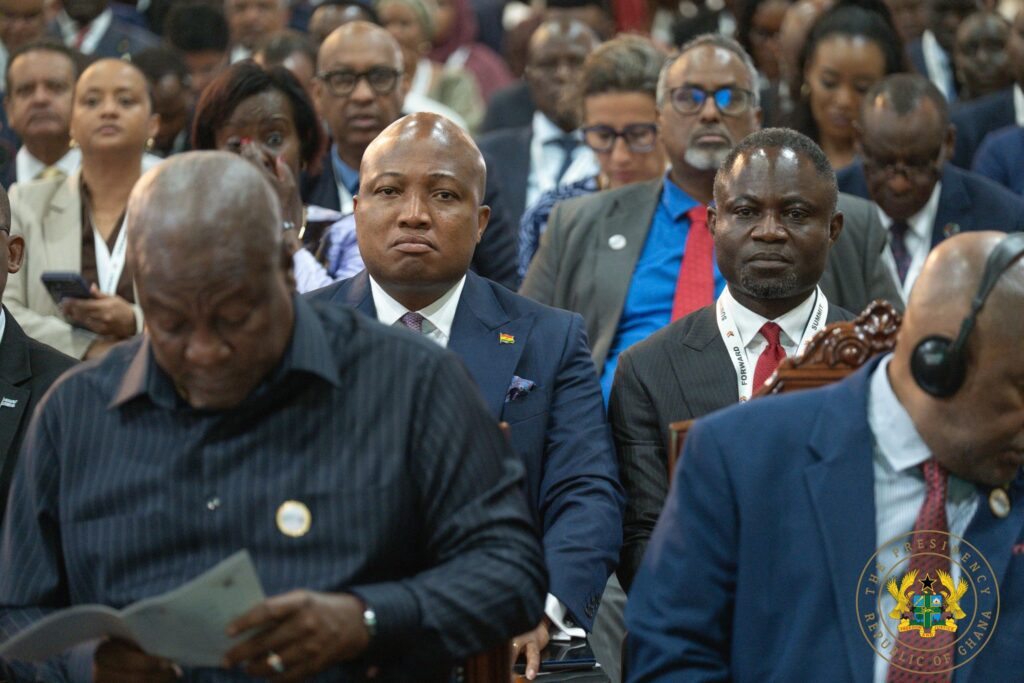
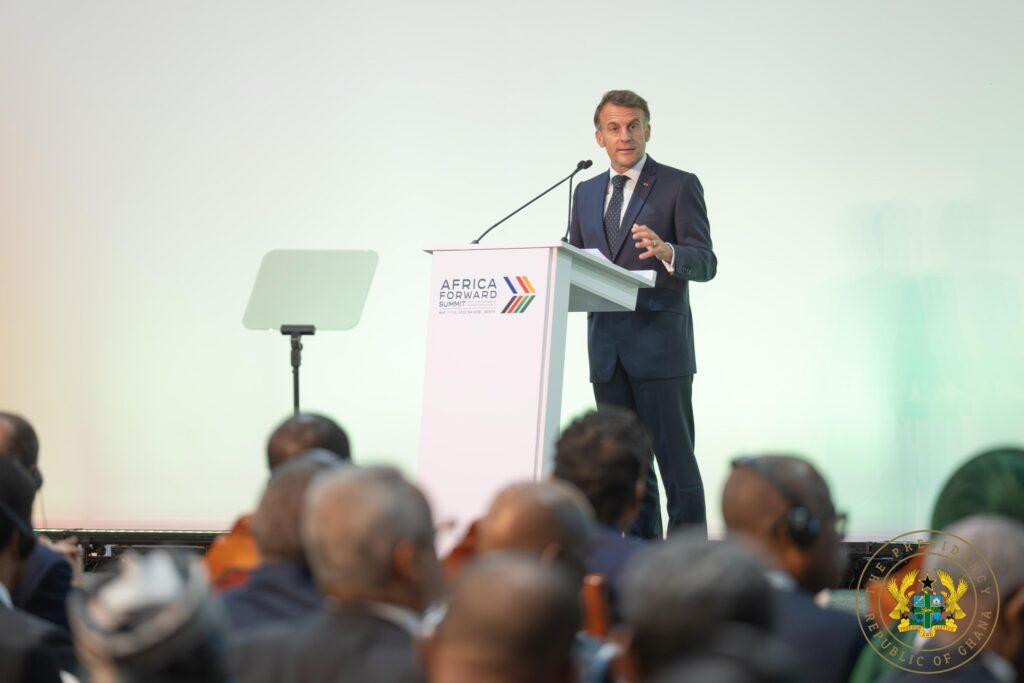
The summit, jointly hosted by Kenyan President HE William Ruto and French President HE Emmanuel Macron, brought together heads of state, policymakers, development financiers, and business leaders from across Africa, Europe, and other strategic global regions.
President Mahama’s participation marked another major international engagement in his capacity as Ghana’s leader and as the African Union’s champion for African financial institutions, a role that has increasingly placed him at the center of conversations about financial reform, economic sovereignty, and sustainable development across the continent.
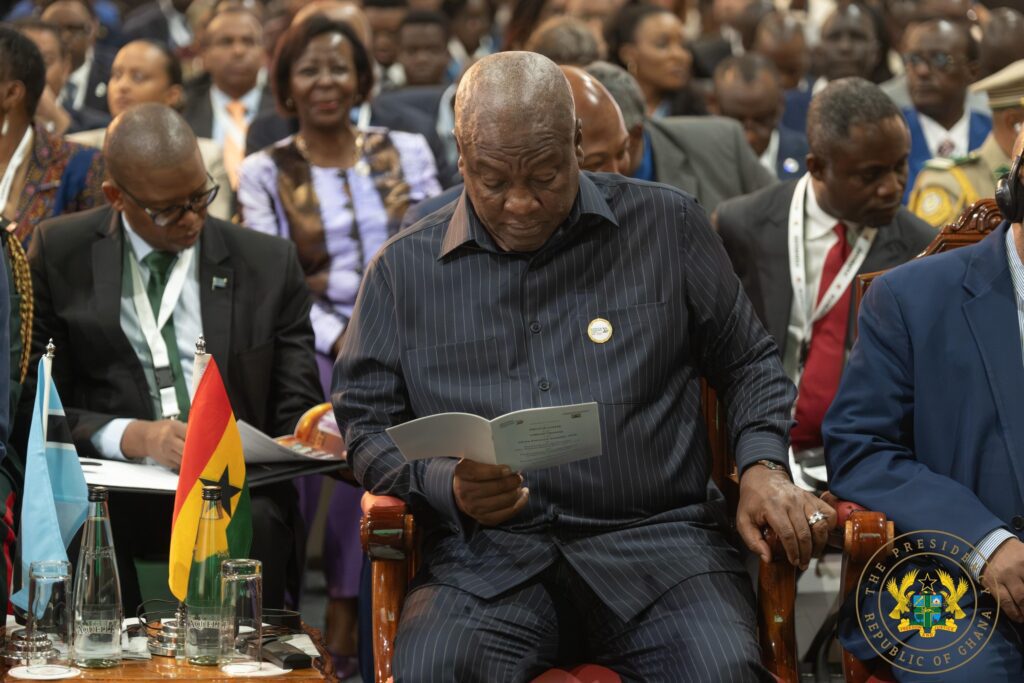
His return to Accra concludes an intensive diplomatic mission that saw Ghana represented in multiple high level sessions focused on some of the continent’s most pressing economic and social priorities.
Energy Transition Takes Center Stage
One of President Mahama’s key engagements at the summit was his participation in a high level discussion on green industrialisation and Africa’s energy transition.
The session brought together political leaders, climate experts, investors, and industrial policymakers to examine how African economies can accelerate industrial growth while responding to the global climate crisis and meeting international sustainability targets.
During the dialogue, participants explored pathways for cleaner energy production, sustainable industrial financing, and regional partnerships aimed at reducing Africa’s dependence on carbon intensive development models.
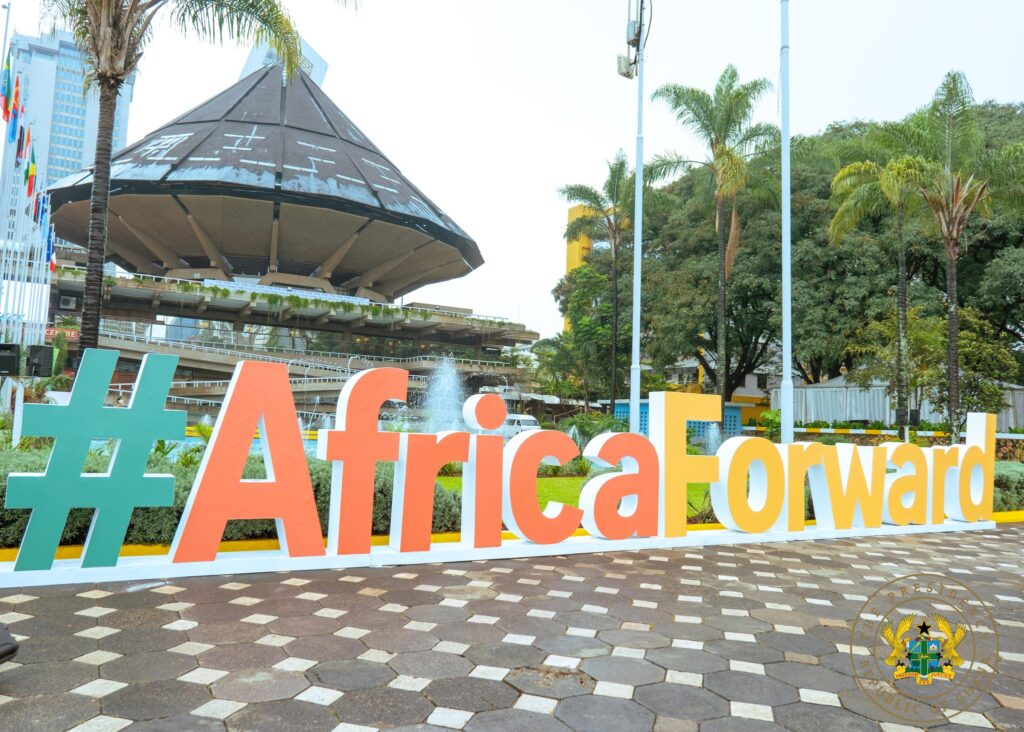
President Mahama’s contribution to the conversation comes at a time when Ghana continues to position itself as a strategic player in renewable energy investment, energy security, and climate responsive economic planning.
His presence in the discussion reflects Ghana’s ambition to balance industrial expansion with environmental sustainability while attracting green financing and technology partnerships.
Focus on African Financial Institutions
Beyond energy discussions, President Mahama also participated in a strategic working session centered on the reform and strengthening of African financial institutions.
The session examined the future of development finance on the continent and explored practical strategies for improving Africa’s access to sustainable capital, reducing external financial vulnerabilities, and building institutions capable of supporting long term economic transformation.
As the African Union champion for financial institutions, President Mahama played an active role in discussions focused on reforming the international financial architecture and ensuring that global financing systems better reflect Africa’s development realities.
Participants at the working session emphasized the need for stronger continental institutions capable of mobilizing domestic resources, supporting infrastructure development, and shielding African economies from external market shocks.
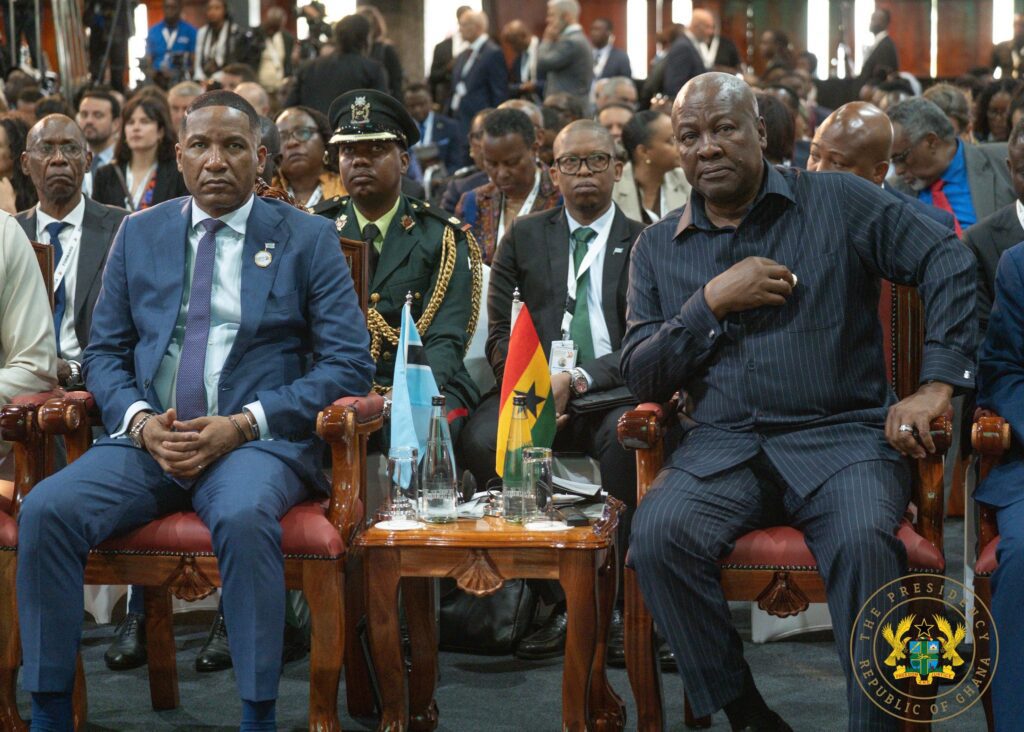
Analysts say Ghana’s visibility in these discussions strengthens its role as a voice for economic reform and regional financial independence.
Healthcare Reform Shapes Continental Dialogue
In addition to his economic engagements, President Mahama co chaired a major roundtable discussion focused on the future of healthcare systems across Africa.
The session explored how African governments can build stronger and more resilient national health systems capable of responding to future pandemics, public health emergencies, and growing demographic pressures.
The dialogue also examined the importance of healthcare financing, technology adoption, workforce development, and cross border collaboration in strengthening medical systems across the continent.
Participants described the conversation as forward looking, with a strong emphasis on practical reforms that can help African countries move from reactive healthcare management to long term resilience planning.
President Mahama’s involvement in the healthcare session aligns with his broader development agenda, which continues to emphasize social investment alongside economic transformation.
Strategic Bilateral Meetings Strengthen Ghana’s Global Ties
On the sidelines of the summit, President Mahama also held a series of high profile bilateral engagements with some of the world’s most influential political and financial leaders.
Among those he met was Kristalina Georgieva of the International Monetary Fund, where discussions reportedly focused on economic stability, fiscal reforms, and sustainable growth opportunities for Ghana and the wider African region.
He also engaged with António Guterres of the United Nations on matters relating to global cooperation, peace, sustainable development, and multilateral partnerships.
Further meetings were held with the leadership of the African Continental Free Trade Area, where conversations centered on regional trade expansion, market integration, and strengthening intra African commerce.
President Mahama also met with officials from the International Fund for Agricultural Development to discuss food security, agricultural financing, and rural development initiatives across Ghana and the continent.
Government officials say these bilateral engagements were designed to deepen partnerships, unlock new development opportunities, and reinforce Ghana’s commitment to collaborative international diplomacy.
Ghana’s Global Engagement Continues
President Mahama’s participation in the Nairobi summit comes at a time when Ghana is seeking to strengthen its international partnerships while pursuing economic recovery, institutional reforms, and sustainable development.
His engagements across finance, energy, healthcare, agriculture, and trade highlight a multidimensional diplomatic approach aimed at positioning Ghana as an active contributor to continental transformation.
Political observers note that the summit provided an important platform for Ghana to articulate its development priorities while building strategic alliances with global institutions and regional partners.
With President Mahama now back in Accra, attention is expected to shift toward how the commitments, partnerships, and policy conversations initiated in Nairobi will translate into concrete outcomes for Ghana’s economic and social development agenda.
READ ALSO: Ghana Offers Lucrative Opportunities in LED and Green Energy – GIPC Deputy CEO