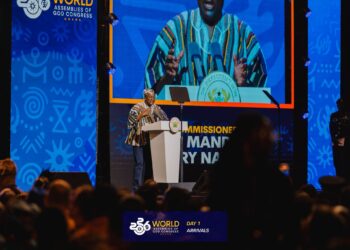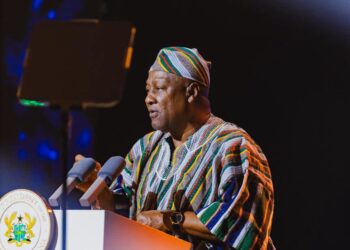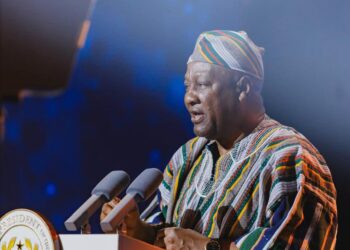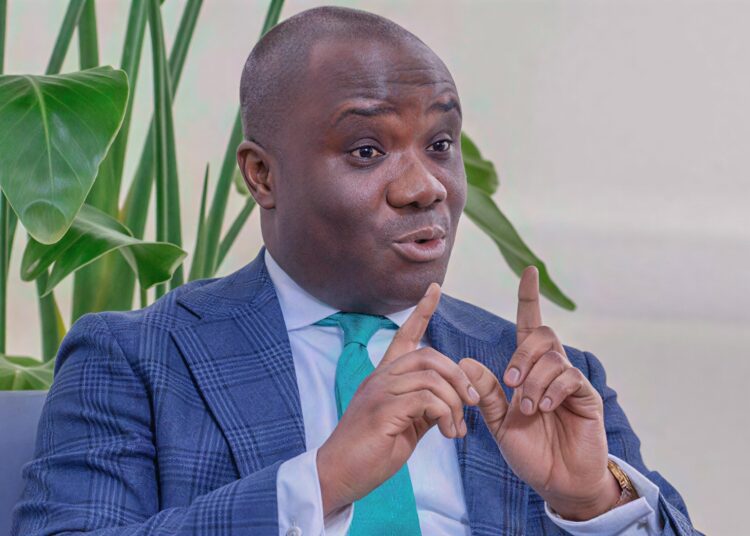
The Minister of Government Communications and Member of Parliament for Abura Asebu Kwamankese, Felix Ofosu Kwakye, said the previous New Patriotic Party administration presided over severe economic decline during its time in office. He made the remarks while responding to comments by Nana Akomea that “Ghanaians do not eat sustainability”.
Addressing the statement, Ofosu Kwakye argued that economic conditions under the former administration worsened across major indicators. He disclosed that the current administration inherited high inflation, rising debt levels and a weakening currency that placed pressure on households and businesses.
“The first point is that Nana Akomea, his boss Bawumia, and the NPP completely destroyed the Ghanaian economy. Every major indicator of economic performance recorded a downturn. We were saddled with unsustainable debt, while the cedi depreciated sharply and reached its lowest point in Ghana’s history. At one stage, it was considered the worst performing currency in the world.”
Hon. Felix Ofosu Kwakye
He further indicated that fuel prices under the previous administration placed a heavy burden on consumers and transport operators. In his view, recent currency stability has contributed to relative calm in fuel pricing despite developments on the global oil market.

Honourable Kwakye explained that exchange rate stability has influenced import costs and reduced pressure on the prices of some consumer goods. He noted that Ghana’s dependence on imported products makes the performance of the cedi central to household spending.
The Minister also referenced reductions in transport fares announced by operators during periods of lower fuel prices. He said those reductions provided direct relief to commuters and signalled changes within the economy.
Meanwhile, he criticised sections of the opposition for dismissing signs of economic recovery. He insisted that public commentary on the economy must be grounded in verifiable facts and measurable trends.
He further stated that interest rates have declined compared to previous years. He explained that businesses seeking loans are currently paying lower rates than they did under the previous administration.
The Minister of Government Communications asserted that import duties and foreign exchange costs have eased pressure on traders and importers. In his assessment, those developments have improved conditions for businesses within the import sector.
Currency Stability And Fuel Prices Dominate Economic Debate
Honourable Ofosu Kwakye argued that fuel prices have remained lower compared to levels recorded during the previous administration. He explained that stable exchange rates have prevented further increases despite fluctuations.
“At a point, when you buy imported goods, and for a country as import dependent as ours, the exchange rate becomes very important. That is why for several months, about 15 consecutive months, fuel prices declined. When we came to power, fuel prices were at a certain level. As I speak to you, despite recent increases in global crude oil prices, fuel prices remain at the same level we inherited.”
Hon. Felix Ofosu Kwakye
The Minister further argued that transport operators responded to declining fuel costs by reducing fares during parts of last year. He noted that those reductions affected daily commuting expenses for many Ghanaians.

Attention also turned to conditions within the banking and import sectors. The Government official maintain that businesses are benefiting from lower lending rates and reduced import related costs.
In addition, Ofosu Kwakye stated that traders importing goods now require fewer cedis to complete transactions because of improvements in the exchange rate. He explained that the appreciation of the cedi has reduced the local currency value of imported products.
The Minister also defended the Integrated Customs Management System known as ICUMS. He explained that the system was introduced to ensure accurate valuation of imports and close loopholes within customs processes.
According to him, the system does not increase duties imposed on importers. Rather, he noted that it strengthens revenue collection by ensuring that importers pay the correct values required under customs regulations.
Government Defends Economic Data Amid Scrutiny Over Cost of Living
Honourable Ofosu Kwakye cited figures from the Ghana Statistical Service while discussing employment trends under the current administration. He revealed that available data shows employment levels have improved over the past year.
He acknowledged that unemployment remains a national concern requiring sustained intervention. At the same time, he insisted that the challenge predates the current administration but continues to receive policy attention.
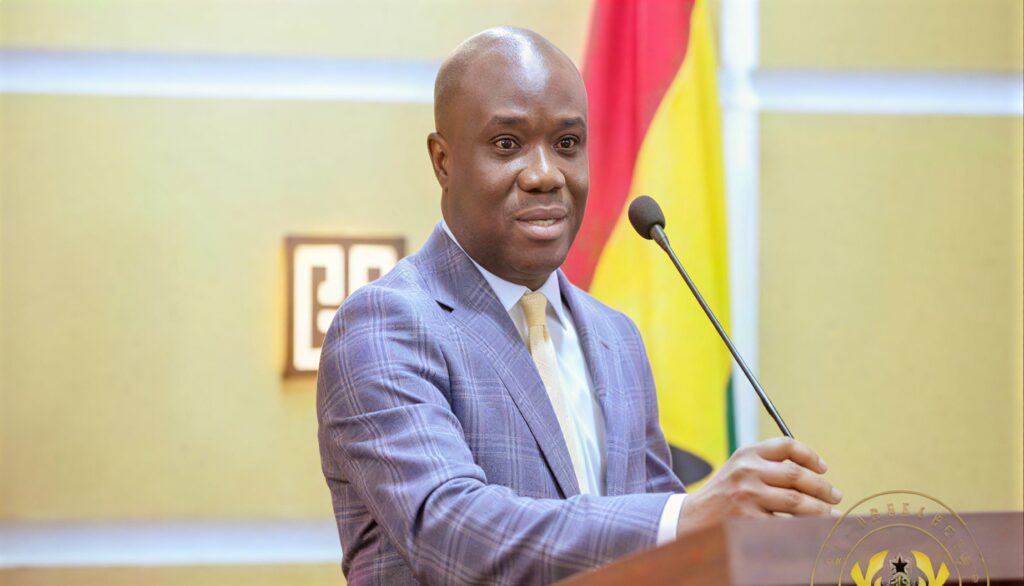
“Even if it is the case that the number of unemployed people is very high, it was also high under the NPP. It is not a recent phenomenon that unemployment has increased since we came to power. Indeed, unemployment has decreased, as the figures show.”
Hon. Felix Ofosu Kwakye
Ofosu Kwakye also questioned assertions that the cost of living is higher today than under the previous administration. He stated that such claims do not align with observable economic realities, particularly in relation to exchange rate movements and import pricing.
He explained that improvements in the value of the cedi have reduced import costs for essential goods. Using rice as an example, he noted that dollar denominated prices remain stable while the local currency cost has declined due to exchange rate appreciation.
According to him, a bag of rice that previously cost more in cedi terms under a weaker exchange rate now requires less local currency to import. He maintained that this shift translates into savings for importers and ultimately, consumers.
READ ALSO: The Housing System Is Lawless And Chaotic— Rent Commissioner