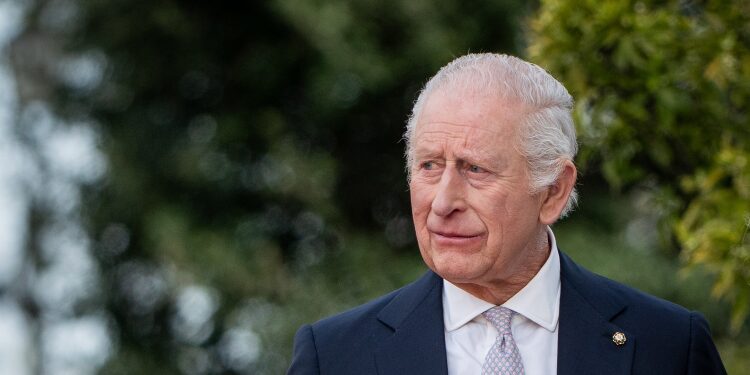
King Charles III is set to unveil one of the most ambitious legislative agendas in recent British history, with more than 35 bills and draft bills aimed at reshaping the economy, strengthening public services and restoring public confidence in government, even as Prime Minister Sir Keir Starmer faces the most serious leadership crisis of his premiership.
The King’s Speech, delivered during the State Opening of Parliament, will outline the government’s priorities for its second parliamentary session and set out a sweeping programme focused on economic resilience, energy independence, immigration reform, healthcare, education and national security.
The ceremony, rich in centuries-old tradition and royal pageantry, comes at an unusually fraught moment for the government.
Starmer enters the occasion under intense pressure from within his own party after heavy losses in recent local elections triggered a wave of criticism from Labour MPs, ministerial resignations and growing speculation about a potential leadership contest.
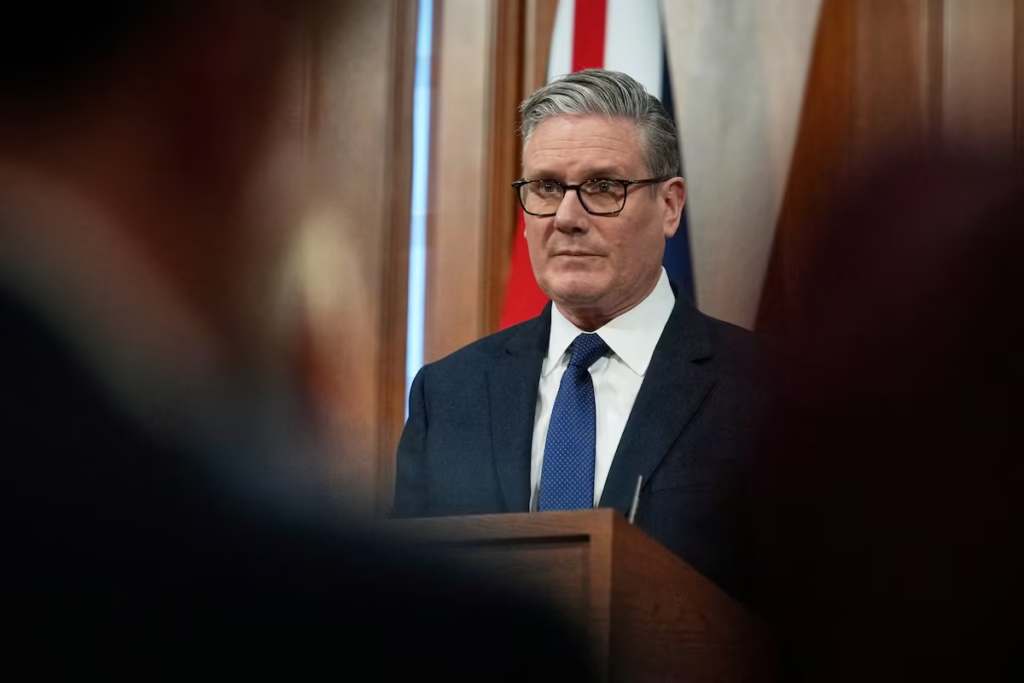
Despite the turmoil, the Prime Minister has insisted that his “government will deliver on the promise of change for the British people.”
“The British people expect the Government to get on with the job of changing our country for the better. Cutting the cost of living, bringing down hospital waiting lists and keeping our country safe in an increasingly dangerous world.
“Britain stands at a pivotal moment: to press ahead with a plan to build a stronger, fairer country or turn back to the chaos and instability of the past.”
Keir Starmer
Sweeping Reform Agenda Targets Economy, Energy and Public Services
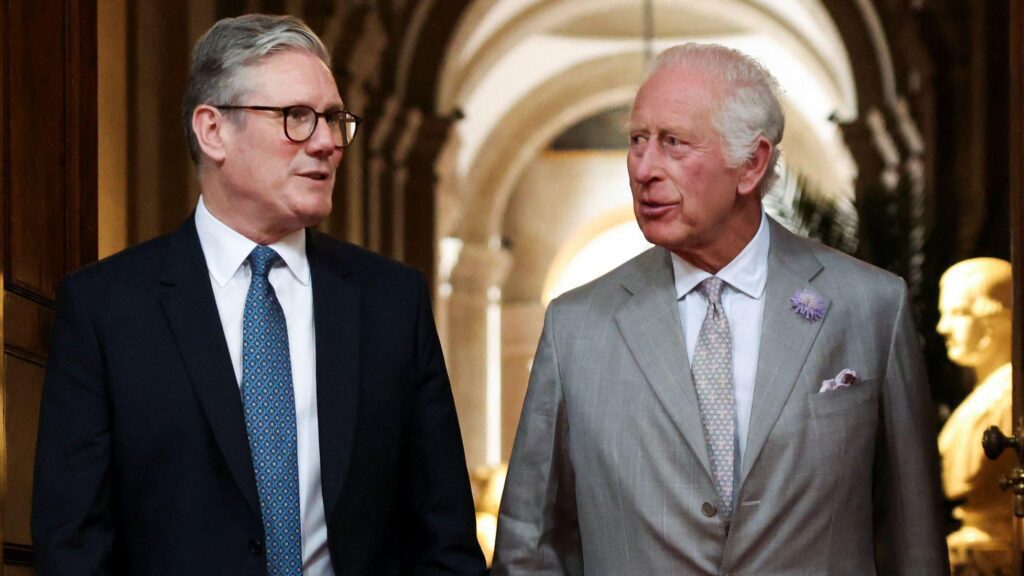
At the heart of the package are measures to reinforce the country’s economic foundations. The government plans to introduce legislation aimed at supporting small businesses, streamlining regulation and encouraging investment and innovation.
The government will also bring forward laws to strengthen trade and investment ties with the European Union, a move intended to increase economic opportunities, particularly for younger people, while helping to lower living costs.
Another important component of the agenda is energy security. The government will have more authority under the proposed Energy Independence Bill to increase grid infrastructure, speed up sustainable energy projects, and lessen reliance on erratic fossil fuel markets.
The government claims that a quicker switch to renewable energy generated domestically will shield businesses and individuals from future price shocks and establish Britain as a leader in the green economy.
Immigration reform will also feature prominently. New legislation is expected to create what ministers describe as a firm but fair system designed to restore control at the borders and rebuild public trust in migration policy.
National security measures are set to be strengthened as well, with new laws addressing cyber threats, state interference and the spread of extremist content online.
In a move with major industrial implications, the government will seek powers to nationalise British Steel if necessary, preserving domestic steelmaking capacity as part of a broader strategy to rebuild strategic industries and safeguard jobs.
The King’s Speech will also focus heavily on social mobility and opportunity, including education reforms aimed at ensuring all children have access to inclusive, high-quality mainstream schooling, with improved support for those with special educational needs.
Housing reform is expected to include legislation to abolish the leasehold system, giving homeowners more control over their properties and strengthening consumer rights.
Moreover, a major NHS reform bill will seek to cut bureaucracy, improve patient care and place greater emphasis on prevention and early intervention.
The Starmer-led government is also planning legislation to protect social housing and strengthen support for survivors of domestic abuse, reflecting a wider commitment to safe and affordable homes.
The legislative programme builds on a first parliamentary session that saw the passage of 50 government bills, including the Children and Wellbeing Act, Employment Rights Act, Great British Energy Act, Renters’ Rights Act and Planning and Infrastructure Act.
The laws enacted fulfilled major commitments made to the public, aimed at making the country safer, stronger, and fairer through wide-ranging reforms designed to deliver meaningful change.
Alongside the legislative agenda, the government is highlighting broader measures aimed at easing cost-of-living pressures and expanding opportunities. These include free breakfast clubs, expanded childcare support, frozen rail fares, capped bus prices and a £2.5 billion youth employment package expected to support almost one million young people and create up to 500,000 opportunities to earn and learn.
For Starmer, however, the King’s Speech represents more than a routine constitutional event. It is a critical test of whether he can maintain authority long enough to turn an expansive legislative blueprint into law.
With Labour deeply divided and questions about his future still unresolved, the success of this ambitious programme may depend not only on parliamentary support but also on whether the prime minister can convince his party that he remains the right leader to deliver the change he has promised.
READ ALSO: NPA Targets Two Refineries, Eight Depots for 24-Hour Operations