The International Monetary Fund (IMF) has upgraded its forecast for UK economic growth in 2026, projecting that the economy will expand faster than previously anticipated, although rising energy prices and borrowing costs are expected to slow the pace of growth next year.
In its latest World Economic Outlook, the IMF projected that UK economy would grow by 1.3% in 2026, compared with the 1% forecast issued in July.
The improved outlook reflects the resilience demonstrated by economies worldwide in absorbing the energy price shock associated with the US-Iran war. However, the IMF cautioned that the economic consequences of the conflict remained “highly uncertain,” leaving the outlook vulnerable to further increases in energy prices and changes in financial conditions.
Despite the upgrade, the organisation expects UK growth to ease to 1.2% in 2027 as higher energy costs and elevated long-term interest rates weigh on household spending and business investment. The forecast suggests that, although the economy has proved more resilient than earlier projections indicated, sustaining that momentum could become more difficult over the coming year.
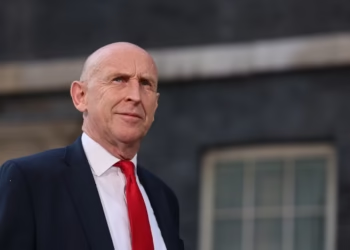
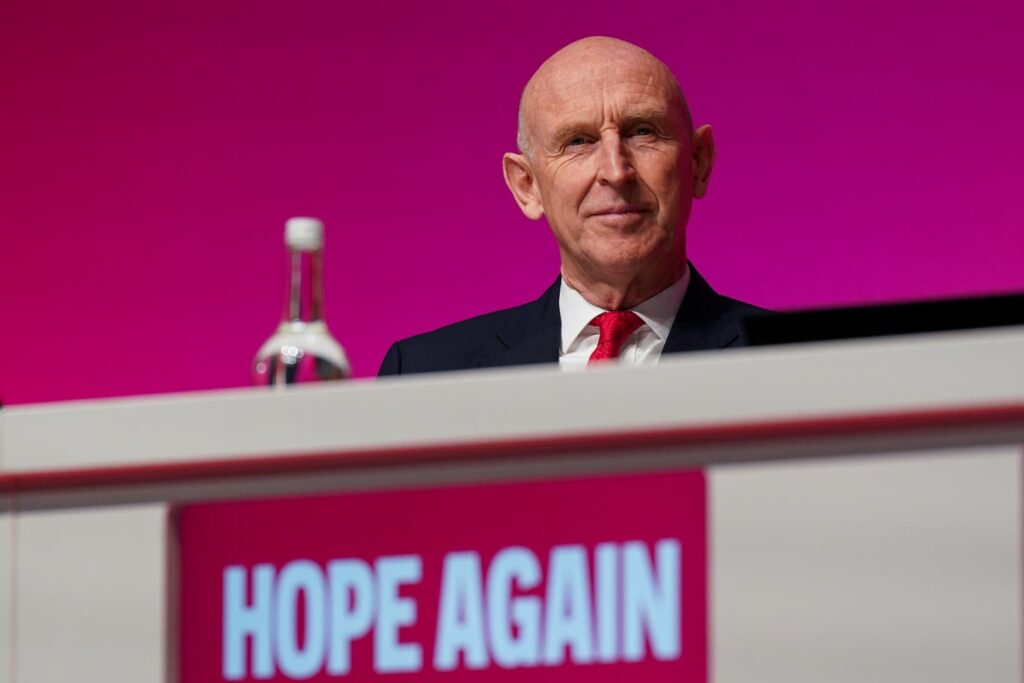
The revised projections also provide an important backdrop to the government’s preparations for the Budget on 28 October. Chancellor John Healey is finalising tax and spending plans as the government seeks to support households, maintain public services and demonstrate that its fiscal commitments are credible to financial markets.
John Healey has indicated that the government will seek to “provide some breathing space” for households in the Budget, acknowledging the pressure that rising living costs continue to place on families.
Policymakers face competing economic pressures as growth prospects strengthen in the near term but weaken for 2027. Any boost to employment and commercial activity could be offset by persistent inflation and higher interest rates, which would place additional pressure on households and businesses.
UK Among Stronger G7 Performers as Growth Forecast Improves
The IMF’s revised projection places the UK among the better-performing major advanced economies in 2026, reversing earlier downgrades to growth forecasts following the outbreak of the US-Iran war.
Britain is expected to share the second-fastest growth rate in the G7 with Germany, an assessment that points to greater resilience than anticipated when the conflict initially disrupted the global economic outlook.
The improved projection comes as economies adjust to higher energy prices and continuing geopolitical uncertainty. The IMF noted that the global economy had demonstrated a “remarkable capacity to absorb shocks,” including the Covid-19 pandemic, Russia’s invasion of Ukraine and the latest conflict in the Middle East.
That resilience has helped limit the deterioration in global growth expectations, although the IMF’s assessment does not suggest that the risks have disappeared. The organisation continues to regard the economic consequences of the Middle East conflict as uncertain, particularly given the potential for energy-market disruption to affect production costs, consumer prices and investment decisions.
Energy Prices and Interest Rates Threaten 2027 Expansion
Although the IMF has upgraded its 2026 forecast, its projection for the following year points to a slowdown as higher energy prices and long-term interest rates place pressure on spending and investment.
The organisation expects UK economic growth to ease from 1.3% in 2026 to 1.2% in 2027. While the projected decline is modest, it highlights the continuing vulnerability of the recovery to external shocks and tighter financial conditions.
Energy prices remain a key risk because higher costs can affect households directly through heating and transport bills while increasing operating expenses for businesses. Companies facing higher energy and financing costs may delay investment, reduce expansion plans or pass some of those costs on to consumers.
Inflation is expected to remain another source of pressure. The IMF projects that UK inflation will average 3.3% in 2026 before easing to 2.8% in 2027, remaining above the Bank of England’s 2% target.
The Bretton Woods Institution has warned that inflation could rise above 4% at the beginning of next year, increasing the possibility of further interest rate rises. If borrowing costs remain elevated, households could face higher mortgage and credit payments, while businesses may find it more expensive to finance new projects.
Healey acknowledged the wider effects of international conflicts, noting that wars in the Middle East and Europe were “hitting people in the UK and around the world.”
He nevertheless maintained that “Britain’s economy is showing strong international resilience”.
The slowdown forecast for 2027 also comes as the government faces pressure to balance economic support with efforts to reduce public borrowing. Economists have suggested the Chancellor may need to find £35bn to avoid public spending cuts while meeting defence commitments in the Budget.
The Resolution Foundation has called for public-finance repairs alongside targeted help for households struggling with energy bills. The think tank argued that reducing borrowing must be balanced with measures to help families facing a difficult winter.
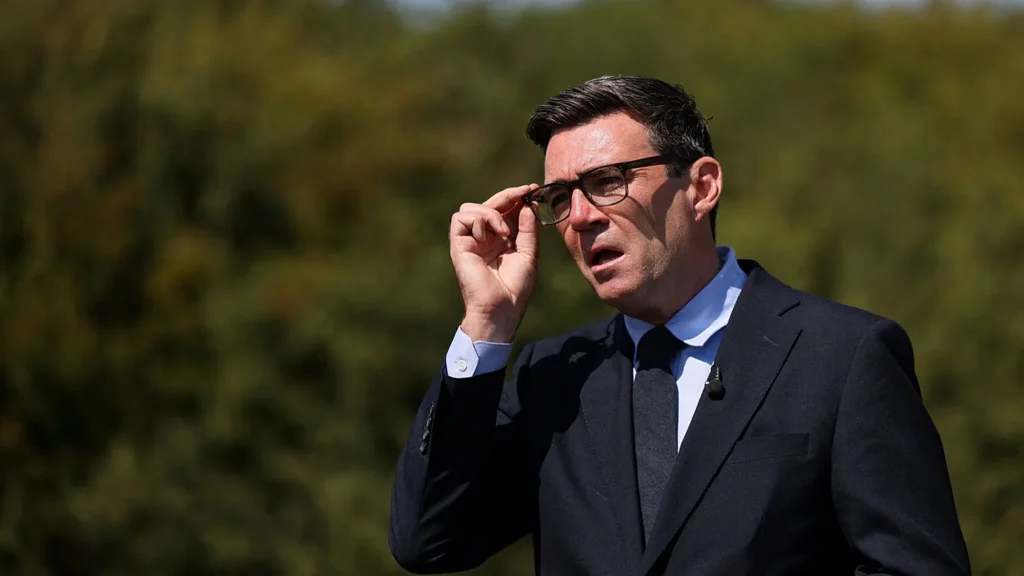
Conservative Shadow Chancellor Andrew Griffith, meanwhile, warned that further tax increases could undermine growth and place additional pressure on working people.
These competing demands underline the challenge facing the government as it attempts to maintain economic momentum while managing inflation, public debt and household costs.
READ ALSO: Nana Adarkwa Names 21-Player Maidens Squad for U-17 World Cup