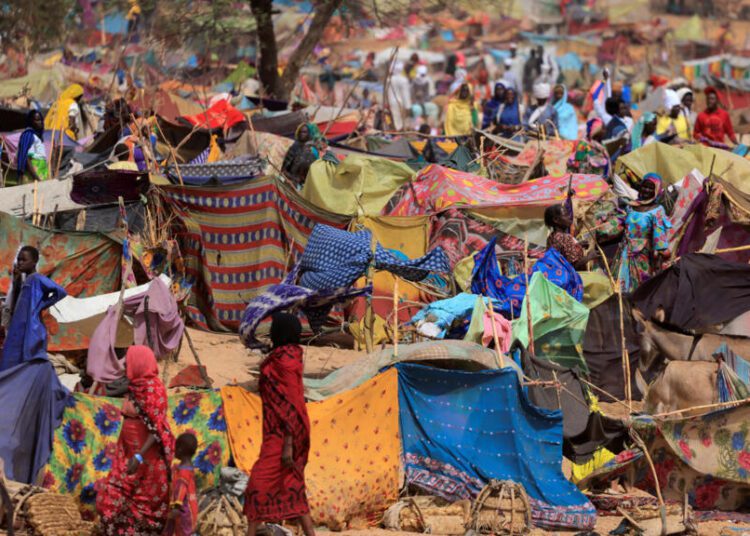
Chad is witnessing a worsening humanitarian situation as continued fighting in Sudan drives population inflows that are pushing fragile eastern services to breaking point.
A recent UN report indicates that, the situation has placed significant strain on local infrastructure, with humanitarian agencies warning that essential services are struggling to keep pace with rapidly rising demand, particularly in refugee-hosting regions such as Abéché, Adré and Wadi Fira.
According to Andrew Saberton, UNFPA (United Nations Population Fund) Deputy Executive Director, “Chad is currently hosting more than 1.3 million refugees and returnees, most of them women and children.”
During a recent visit to several refugee settlements and health facilities, the UNFPA Deputy Executive Director, Saberton, described a system under extreme pressure, where medical teams are operating with limited equipment, insufficient supplies, and a shortage of specialised personnel. In some camps, maternity wards are recording hundreds of births each month, placing additional strain on already overstretched midwifery services.
In the Iridimi refugee camp, health workers reported handling up to 300 deliveries monthly under difficult conditions, often without adequate medical resources. The lack of proper pain management during emergency procedures, including caesarean sections, has further highlighted the severity of the crisis, underscoring the urgent need for improved maternal healthcare support.
The crisis has also deepened protection risks for women and girls. Many are forced to travel long distances outside camps in search of firewood and basic necessities, exposing them to harassment, violence and other forms of abuse. Humanitarian workers say these journeys have become increasingly dangerous as displacement numbers rise and resources remain scarce.
Despite the growing challenges, Saberton pointed to community-based support initiatives, including women’s centres supported by UNFPA, which are providing psychosocial care, vocational training and services for survivors of gender-based violence. These centres are seen as critical lifelines amid worsening conditions.
In Wadi Fira province alone, authorities estimate that more than 333,000 refugees are currently living across approximately 81,000 households, with women and children accounting for over three-quarters of the population.
New arrivals from Sudan continue to cross into Chad through multiple border points as insecurity persists.
However, humanitarian response efforts are increasingly threatened by severe funding shortages. UNFPA has warned that its operations in Chad are facing a 44 per cent reduction in funding this year, while only a fraction of its 2026 humanitarian appeal has so far been met.
Saberton noted that, “the Government of Chad has shown extraordinary solidarity by keeping its borders open and sharing its already scarce resources with people fleeing violence,” adding that “solidarity must now be matched by international support.”
Eastern DRC Conflict Drives Millions Into Hunger Crisis as Aid Gaps Worsen
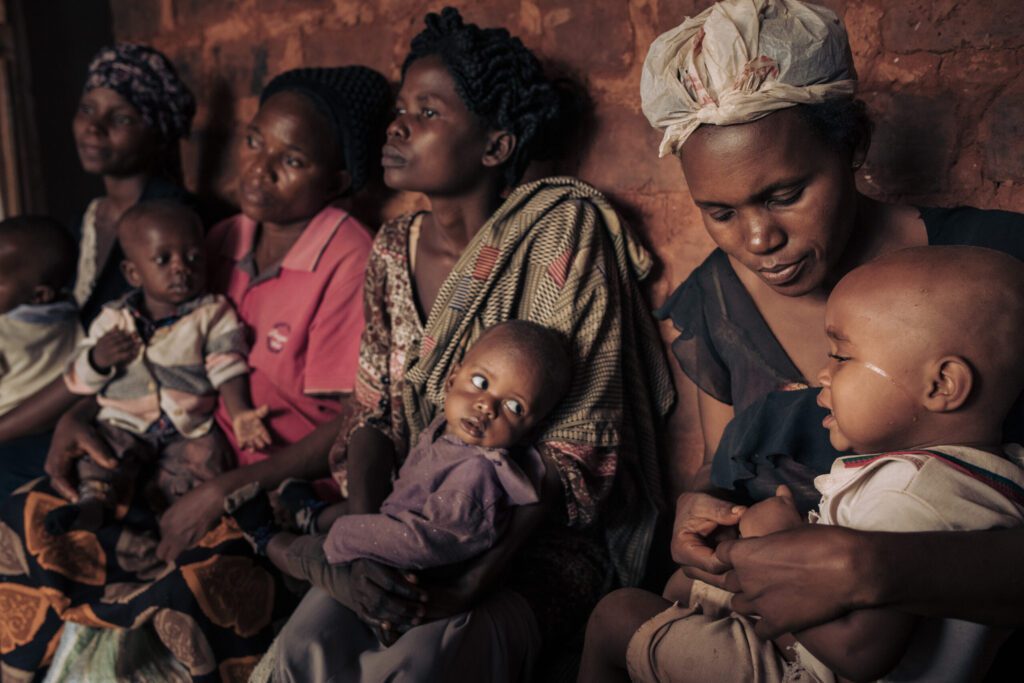
Meanwhile, ongoing conflict in the eastern Democratic Republic of Congo is also pushing millions of people deeper into hunger and displacement, with humanitarian agencies warning of a rapidly deteriorating situation marked by insecurity, disrupted aid delivery and severe funding shortages.
Since the beginning of 2026, conflict between Congolese government forces, Rwandan-backed M23 rebels, and other armed groups has escalated, uprooting tens of thousands of people from their homes and escalating what is already one of the most complicated humanitarian crises in the world.
According to a United Nations report, nearly 3.6 million people are presently experiencing emergency levels of food insecurity, which puts them at risk of famine, according to recent estimates. An additional 22.9 million are categorised as being in crisis, underscoring the extent of hunger in the area and the precariousness of livelihoods in communities devastated by violence.
The situation is particularly difficult in eastern provinces, where ongoing fighting has made access extremely difficult for aid organisations. South Kivu and North Kivu remain the hardest hit areas, with repeated waves of displacement stretching already limited resources and shelter capacity.
The fall of Goma last year and the subsequent closure of its airport further disrupted humanitarian operations, cutting off a crucial logistical hub and complicating the movement of food, medicine, and relief supplies.
Despite urgent needs, humanitarian response levels remain critically low; food assistance reached only about 1.1 million people across the four most affected eastern provinces in the first two months of the year, representing just 23% of those targeted under the 2026 response plan Humanitarian efforts were further hindered by Goma’s collapse last year and the airport’s subsequent shutdown, which cut off a crucial logistical link and made it more difficult to transport food, medication, and relief supplies.
Humanitarian response levels are still extremely low in spite of pressing requirements. In the first two months of the year, only over 1.1 million individuals in the four most impacted eastern provinces received food aid, accounting for barely 23% of those targeted under the 2026 response plan. Consequently, an estimated 3.8 million individuals in need did not get any assistance during this time.
Aid agencies have also warned that funding shortfalls are forcing some partners to suspend operations entirely, further shrinking the humanitarian footprint at a time when needs are rising sharply.
READ ALSO: All Eyes on King’s Speech as Starmer Faces Leadership Test