
The Government of Ghana has directed Boards of State Owned Enterprises and other public institutions to immediately halt international travel funded with public resources as part of broader efforts to control public expenditure and strengthen fiscal discipline.
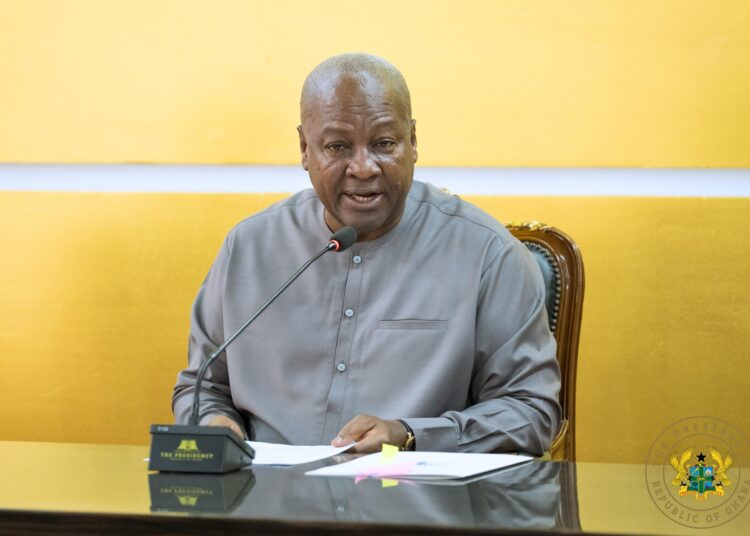
The directive was issued from the Jubilee House under the authority of President John Dramani Mahama and communicated to all Ministers of State through an official notice signed by Dr. Callistus Mahama, Secretary to the President.
According to the Presidency, the decision follows increasing concern over the growing number of international trips undertaken by boards of state owned enterprises and other public institutions for training programmes, conferences, retreats and study tours.
Government acknowledged that exposure to international best practices and opportunities for professional development remain important for strengthening corporate governance within public institutions.
However, the Presidency noted that the frequency and cost of such travel have raised serious questions about the prudent use of public funds.
Concerns Over Rising Travel Costs
The directive explained that several of these international trips involve multiple board members travelling abroad with extended schedules. Such arrangements often require significant spending on air tickets, accommodation, per diem allowances and other logistical expenses.

Officials say these costs place avoidable pressure on the national budget at a time when the government is implementing policies aimed at improving public financial management and controlling expenditure.
The Presidency noted that the growing trend has become particularly concerning as the government seeks to enforce stronger financial discipline across all state institutions.
“In several instances, such travels have resulted in significant expenditure on airfares, accommodation, per diems and associated logistics, placing avoidable pressure on the public purse”.
Dr. Callistus Mahama, Secretary to the President of Ghana, HE John Dramani Mahama
Government emphasized that the measure is necessary to ensure responsible use of national resources and to align institutional spending with broader fiscal consolidation efforts.
Immediate Ban on Board Funded International Travel
Under the new directive, boards of state owned enterprises and other public institutions are no longer permitted to undertake international travel for training programmes, conferences, retreats or study tours using public funds.
The policy takes effect immediately and applies to all such institutions operating under the supervision of government ministries. Ministers responsible for supervising state enterprises and public institutions have been instructed to ensure strict compliance with the directive and to inform all boards and management teams of the new rules.

Government believes that limiting non essential travel will significantly reduce public spending while encouraging institutions to focus more on their statutory responsibilities.
Exceptional Approval Required
Although the directive introduces a general ban on such travel, it also allows for limited exceptions in situations where international engagement is considered absolutely necessary.
In such cases, boards must submit a formal request through the appropriate sector minister to the Office of the President. The request must then be reviewed by the Chief of Staff before it is presented to President Mahama for final approval.
The Presidency made it clear that no arrangements or commitments for international travel should be made without this explicit authorization. Requests seeking approval must include detailed information explaining the purpose of the trip and the expected outcomes of the engagement.
Institutions are also required to demonstrate the strategic relevance of the proposed activity to their mandate, the number of participants expected to travel and the total estimated cost involved.

Additionally, the requesting institution must explain why the objectives of the proposed engagement cannot be achieved through local alternatives or virtual participation.
Shift Toward Local and Virtual Training
As part of the directive, ministries and public institutions have been strongly encouraged to prioritize local training opportunities as a more cost effective way of building institutional capacity.
Government believes that partnerships with universities, professional bodies and reputable training institutes within Ghana can provide valuable learning opportunities without the high costs associated with international travel.
The directive also encourages institutions to explore the use of digital platforms for conferences, workshops and professional exchanges. Virtual participation in international programmes is seen as a practical alternative that allows officials to access global knowledge while minimizing travel related expenses.
In cases where specialized training is required, institutions are encouraged to invite international experts to Ghana for short term engagements rather than sending full board delegations abroad.
According to the Presidency, such approaches will allow public institutions to maintain access to international expertise while significantly reducing the financial burden on the state.
Focus on Governance Responsibilities
Government has also reminded boards of state owned enterprises that their primary responsibility is to provide oversight and governance for the institutions they supervise.
As a result, training and capacity building activities undertaken by boards must be carefully evaluated to ensure they offer real value and are necessary for improving institutional performance.
Ministers have been asked to monitor these activities closely and ensure that all expenditures are justified and aligned with the objectives of public sector reform. The directive forms part of a broader government effort to strengthen expenditure controls across public institutions and reduce non-essential spending.

Authorities say the savings generated from limiting international travel will help redirect resources toward priority areas such as infrastructure development, social programmes and other initiatives that directly benefit citizens.
The Presidency has therefore called on all ministries and institutions to cooperate fully in implementing the new directive and to ensure strict adherence to the rules.
Officials believe that enforcing tighter spending controls will contribute to improving public financial management and restoring confidence in the use of state resources.
READ ALSO: Oil Prices Surge Above $100 as Iran Conflict Escalates