The Former Member of Parliament for the Sekondi Constituency And Lawyer, Andrew Egyapa Mercer has criticised the government’s response to recent flooding incidents, arguing that inadequate preparation contributed to the destruction recorded in affected communities. He said previous commitments made to address recurring floods have yet to produce the expected results.
Honourable Mercer argued that the current situation showed weaknesses in the implementation of measures announced before and after the government assumed office. He recalled that President John Dramani Mahama, during his campaign period, attributed flooding challenges to governance failures and promised interventions to address the issue.
The Former MP stated that the launch of an anti-flood task force created expectations that preventive measures would be undertaken before the rainy season. According to him, the absence of early cleaning exercises and drainage maintenance activities contributed to the difficulties experienced by residents.
“We wait for people to die and businesses to suffer losses before embarking on this charade of parading Ministers, the Vice President and the President. We have failed, and unless we admit our failures and provide solutions, we will return here next year to discuss the same issues.”
Andrew Egyapa Mercer
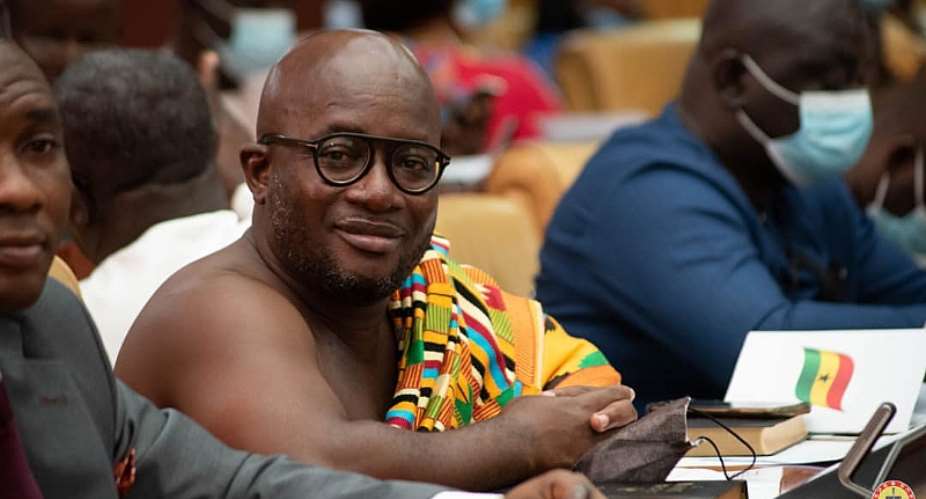
Discussing the impact of the situation, the lawyer claimed that authorities waited until disasters occurred before responding through public exercises and official visits. He argued that sustainable solutions require planned engineering projects and consistent maintenance of drainage systems.
Honourable Mercer further questioned the progress of proposals contained in the government’s 2024 manifesto, particularly commitments relating to water retention and detention reservoirs in flood prone areas. He said such projects were presented as measures to reduce repeated flooding and support communities vulnerable to heavy rainfall.
The former lawmaker also challenged attempts to place responsibility on citizens for flooding problems, insisting that public institutions have a duty to manage infrastructure and waste systems effectively. He added that communities depend on government agencies to provide technical solutions to environmental challenges.
Meanwhile, Honourable Mercer referred to comments previously made by President Mahama after the 2015 June 3 flood disaster, where the President spoke about enforcing measures around waterways despite public pressure. He argued that similar challenges continue to exist years later because decisive actions have not been sustained.
The lawyer affirmed the need for different approaches to achieve results, adding that repeating previous methods would continue to produce similar outcomes. He urged authorities to acknowledge shortcomings and focus on practical interventions to protect lives and property.
Flood Control Efforts Face Questions Over Funding And Demolitions
The Former Member of Parliament for the Sekondi Constituency And Lawyer, Andrew Egyapa Mercer also questioned the management of flood control initiatives, particularly the use of the Greater Accra Resilient and Integrated Development project funds. He argued that government action on waterways must move beyond announcements and focus on enforcing planned measures.
Honourable Mercer stated that political considerations often influence decisions involving the removal of structures located along waterways. He said authorities must demonstrate commitment by applying regulations consistently to protect communities from recurring flooding.
The Former MP highlighted reports that thousands of structures had been identified as occupying waterways and questioned the criteria for selecting buildings targeted for demolition. He argued that partial enforcement could limit the effectiveness of efforts aimed at restoring proper drainage channels.

“The issues are clear. Everybody admits there is an engineering problem that has to be dealt with. Deal with it and let the people see action.”
Andrew Egyapa Mercer
According to the lawyer, resolving flooding requires authorities to address the underlying engineering challenges affecting urban areas, especially in Accra. He urged the government to take firm decisions where necessary to prevent further destruction caused by blocked waterways.
Furthermore, Honourable Mercer discussed the Greater Accra Resilient and Integrated Development project, explaining that the programme had a specific timeline and structure. He rejected claims that the previous administration had eight years to complete all aspects of the initiative.
The former “We wait for people to die and businesses to suffer losses before embarking on this charade of parading Ministers, the Vice President and the President. We have failed, and unless we admit our failures and provide solutions, we will return here next year to discuss the same issues.”
The Former Minister explained that the original loan agreement for the project was approved in 2019 before the COVID 19 pandemic affected implementation. He added that additional adjustments and funding approvals were later introduced to support the programme.
Honourable Mercer noted that the GARID project contained several components, including preparatory activities and construction works. He stated that some key stages had already progressed before the change of administration.
The lawyer explained that studies, consultations and technical preparations formed part of the project before physical construction activities commenced. He said these processes were necessary steps in ensuring that flood control interventions were properly designed.
Additionally, Honourable Mercer criticised what he called symbolic responses to flooding challenges, arguing that public exercises alone cannot replace long term solutions. He stated that authorities must prioritise infrastructure development and enforcement of planning regulations.
He also referenced comments from Kofi Bentil regarding repeated approaches to flood management and argued that lessons from previous disasters should guide future decisions. The Former MP maintained that effective leadership requires taking difficult decisions that protect citizens.
Honourable Mercer further called for transparency in the implementation of flood control programmes and proper monitoring of projects funded through public resources. He said communities expect measurable results from interventions designed to address flooding challenges.
READ ALSO: Sanitation Crisis Needs Engineering Solutions, Not Symbolic Actions— Bentil