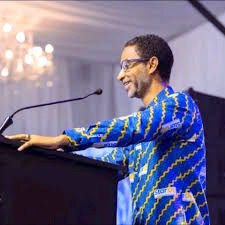

Hon. Dr. Kwabena Donkor has asserted that Ghana’s protracted crusade against illegal small-scale mining, popularly known as galamsey, will remain ineffective if the government relies solely on military clampdowns without addressing the underlying fiscal necessities of rural communities.
The former Power Minister and veteran legislator explained that the domestic crisis persists because law enforcement strategies fail to reconcile the gap between state-mandated ecological protection and the severe lack of alternative livelihoods in mining regions.
To break this destructive cycle, he advocates for a structural evolution that intentionally transforms illegal operations into formalized, well-regulated small-scale enterprises that respect both environmental boundaries and the financial needs of the populace.
“From where I sit as an individual, the fight against Galamsey must take place within a certain context. It is not just enforcement. You can use brute force, the military, or the police, but that will only achieve so much.”
Dr. Kwabena Donkor
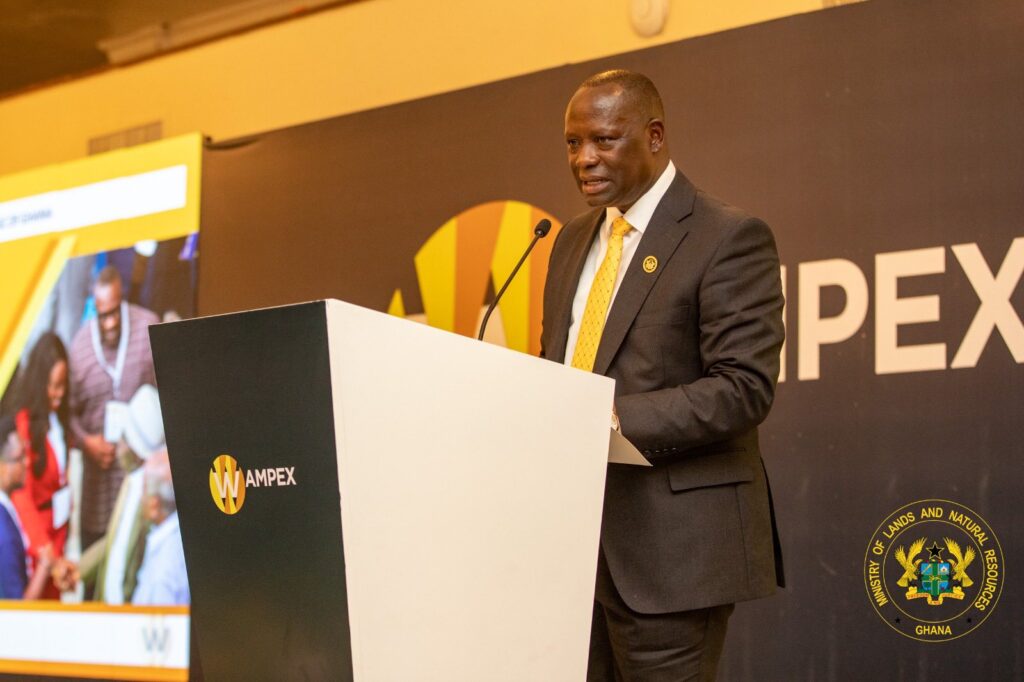
The seasoned mining consultant observed that relying entirely on armed raids and tactical sweeps treats the symptoms of the galamsey menace rather than its root causes.
While acknowledging that law enforcement and state-backed security intervention remain vital components of maintaining order, he pointed out that brute force ignores the fundamental economic realities pushing thousands of young Ghanaians into artisanal extraction.
Without establishing accessible pathways for official licensing, eco-friendly technological integration, and formalized rural jobs, military deployments will simply result in a temporary suspension of operations followed by an inevitable resumption of illegal mining as soon as the security personnel withdraw from the sites.
Decoding the Failures of Pure Enforcement
Ghana’s historical response to illegal mining has been characterized by a repeating pattern of crackdowns, equipment seizures, and highly publicized security sweeps.
While these measures offer immediate political visibility, they fail to deliver long-term environmental restoration or structural stability.
When the state deploys armed forces to clear mining sites, it temporarily suppresses illegal activity but leaves the underlying socio-economic desperation untouched.
The individuals displaced by these raids often lack alternative skills or alternative employment, meaning their survival depends on returning to the pits as soon as the state’s attention shifts elsewhere.

Furthermore, this narrow focus on low-level laborers often lets major financial perpetrators off the hook. Illegal mining operates as a sophisticated, well-capitalized industry supported by complex networks that cross local and international borders.
By treating galamsey merely as a security infraction committed by artisanal miners, state policies routinely miss the institutional enablers and corporate actors who finance the operations.
True progress requires recognizing that a purely punitive approach creates a hostile friction between the government and marginalized communities, driving illegal operations deeper into hidden forests and water bodies.
Deconstructing the Definition of Galamsey
A critical barrier to resolving the artisanal mining crisis is the narrow legal definition often applied by the public and state regulatory institutions.
Many view galamsey strictly as an offense committed by impoverished, shovel-wielding youths in rural villages, ignoring the larger, institutional scale of the problem.
A comprehensive framework must define galamsey as any form of mineral extraction conducted without proper parliamentary ratification or regulatory approval, regardless of whether it is pursued by an individual or a multinational corporation.
By broadening this definition, the state can hold corporate entities to the same stringent standards applied to local artisanal miners.
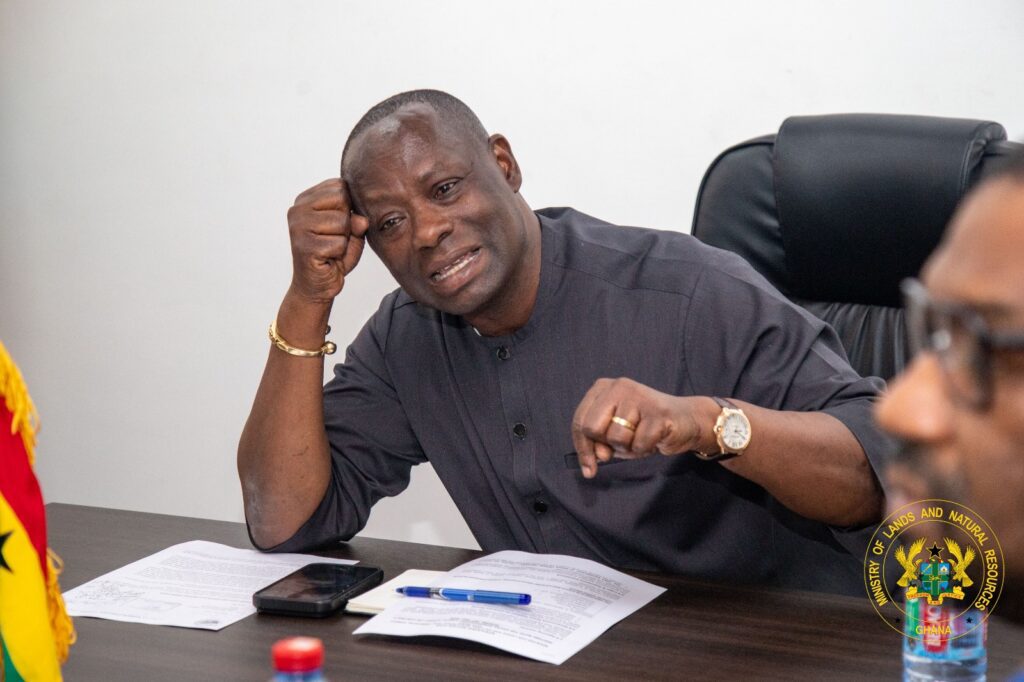
There have been instances where large-scale multinational mining firms have engaged in what can be described as “gargantuan galamsey” by extracting resources without securing the necessary constitutional ratifications.
Addressing these institutional violations ensures that the law is applied equitably, building public trust and demonstrating that environmental regulation is not merely a tool used to penalize the poor while shielding well-connected corporations.
Frameworks for Formalization and Regulation
Transitioning from an underground economy to a formalized mining framework is the most sustainable pathway toward ending the environmental destruction associated with illegal operations.
Formalization involves lowering the bureaucratic barriers to entry for licensing, making it simpler, cheaper, and faster for local syndicates to register their operations and submit to state oversight.
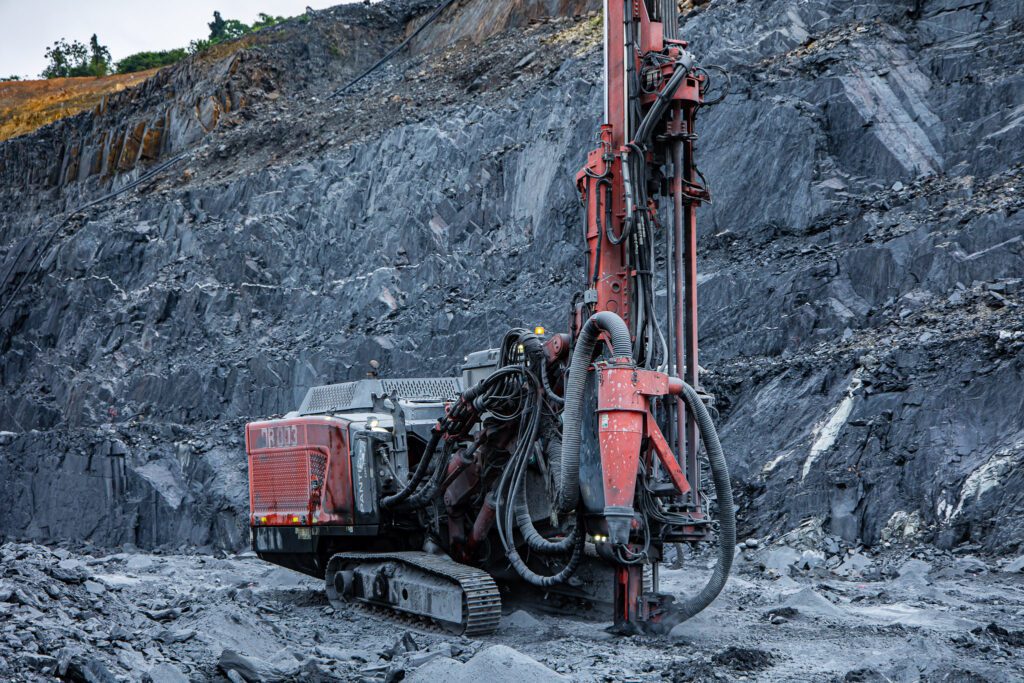
When small-scale operations are brought into the legal framework, the government can effectively enforce strict guidelines on water usage, chemical handling, and land reclamation.
Providing technical education and access to mercury-free gold processing technologies enables formalized miners to maximize their yields without destroying critical water bodies.
Additionally, formalization gives artisanal miners access to legitimate banking and credit facilities, breaking their dependence on predatory illicit networks.
By shifting the state’s role from an adversarial force to a regulatory partner, Ghana can secure its natural resources, protect rural livelihoods, and systematically eliminate the economic drivers of illegal mining.
READ ALSO: Farihan’s Leadership Triumph Puts Ghana Banking in Spotlight