Ghana Manganese Company Limited (GMC) has announced a major operational milestone as it projects a monthly output target of 70,000 tonnes for the month of August.
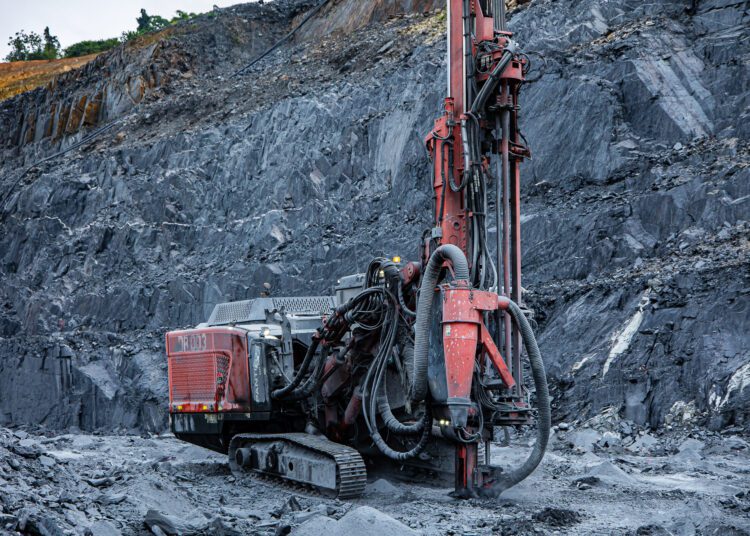
This anticipated surge in production throughput at the company’s Nsuta concession follows a notable decrease in seasonal rainfall and the progressive commissioning of state-of-the-art heavy mining machinery.
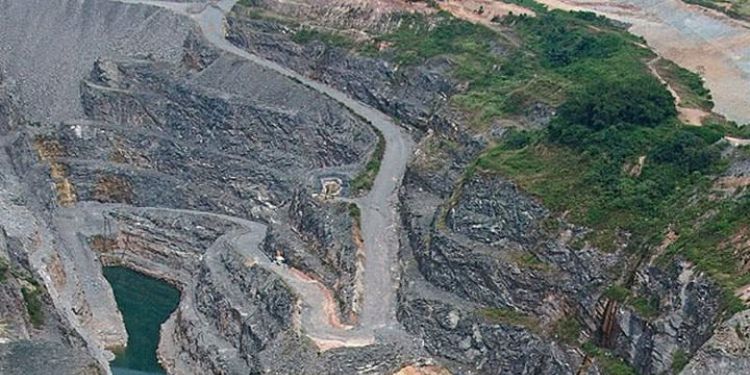
As wet-season disruptions ease across the Western Region, pit conditions at the open-pit operation have improved markedly, setting a resilient foundation for the miner to recover momentum lost during earlier mid-year haulage slowdowns.
The strategic deployment of a newly integrated high-efficiency fleet further bolsters the company’s broader trajectory as it works toward fulfilling its long-term annual capacity goals.
“GMC expects that with August production approaching 700,000 tonnes, overall operational performance in the second half of the year will improve significantly. The company will continue to monitor weather conditions and leverage its newly deployed high-efficiency fleet to ensure full-year production targets are met.”
Ghana Manganese Company Limited (GMC)

Operational Recovery and Fleet Modernization
Navigating the seasonal nuances of West Africa’s tropical climate requires significant capital foresight and agile resource management. Historically, heavy downpours between May and July severely constrained pit accessibility, slowed haulage logistics, and dampened overall ore processing rates across the Nsuta deposit.
By prioritizing capital investments in high-capacity fleet machinery, GMC has successfully minimized climate-induced downtime, ensuring that pit operations rapidly regain optimal productivity as the weather dries.
Company leadership emphasized that maintaining a position “at the lower end of the cost curve through operational innovation” remains vital for navigating international price fluctuations in industrial metals.
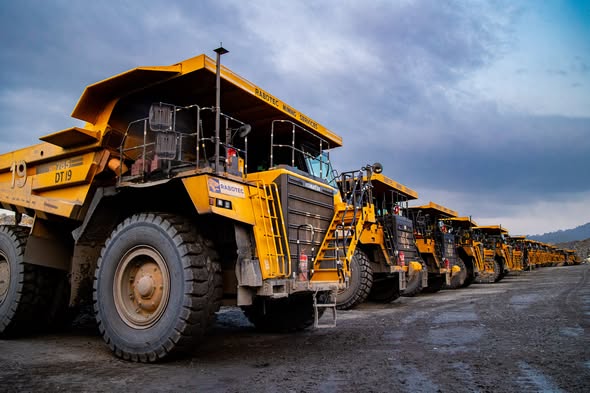
The arrival of newly commissioned machinery enhances both digging efficiency and payload capacity, enabling smooth transportation from excavation faces to primary processing plants.
Operational supervisors note that these modern additions eliminate previous mechanical bottlenecks, enabling a seamless transition into higher monthly extraction volumes.
Strategic Value Addition and Clean Energy Integration
Beyond addressing short-term production quotas, GMC’s expanded extraction footprint aligns directly with Ghana’s national agenda on mineral beneficiation.
For decades, raw manganese export has dominated the sector, but rising global demand for battery-grade materials has accelerated the transition toward domestic processing.
The high-grade carbonate manganese ore mined at Nsuta serves not only as essential feedstock for global steel production but also as a critical component in the rapidly expanding electric vehicle (EV) battery supply chain.
To maximize the economic return on every tonne extracted, GMC continues to collaborate with state authorities to establish a $450 million manganese refining facility within the Tarkwa-Nsuta mining corridor.
Once fully operational, this processing plant will convert low-grade carbonate ore into high-purity refined products, drastically elevating export value.
GMC management noted that aligning output growth with domestic refining capacity remains essential for “supporting the Government of Ghana’s value-addition strategy, which is expected to generate greater local economic benefits“.
Macroeconomic Dividends for Ghana’s Extractive Economy
The ramp-up in monthly production brings considerable financial and structural benefits to Ghana’s broader economy.
As one of the premier foreign exchange earners in the mining sector, increased manganese exports bolster foreign currency inflows, contributing directly to foreign exchange reserve stability.
Expanded export revenues also generate higher royalty payments and corporate taxes for the government treasury, unlocking crucial fiscal resources for national infrastructure and public development projects.
At the community level, elevated output directly stimulates local employment and commercial activities throughout the Western Region.
The ongoing expansion requires skilled technicians, heavy equipment operators, and logistical support personnel, creating direct jobs and indirect livelihood opportunities for surrounding host communities.
Furthermore, mandatory foreign currency repatriation regulations ensure that a substantial portion of export proceeds cycles back through Ghana’s domestic banking system, strengthening liquidity across commercial financial markets.
Through this combination of modernized fleet capacity, seasonal climate adaptation, and alignment with national industrialization policies, GMC reinforces its role as a key player in Africa’s extractive industry.
The projected production recovery in August represents more than an operational rebound; it signifies a decisive step forward in transforming Ghana’s natural mineral endowments into sustainable, long-term economic prosperity.
READ ALSO: Chef Abbys Unveils West Africa Food Tour After Ghana Success