
Ghana’s Energy Commission has begun formal consultations with the Ghana Institute of Architects (GIA) on a proposed framework that could make energy efficiency a central requirement in the country’s building permitting process, signalling a significant shift in how future residential, commercial and institutional buildings may be designed and approved.
The engagement, held at the Commission’s headquarters, focused on the proposed Building Energy Efficiency Guidelines, which have been developed in line with Ghana Standards and are intended to support national climate and energy objectives.
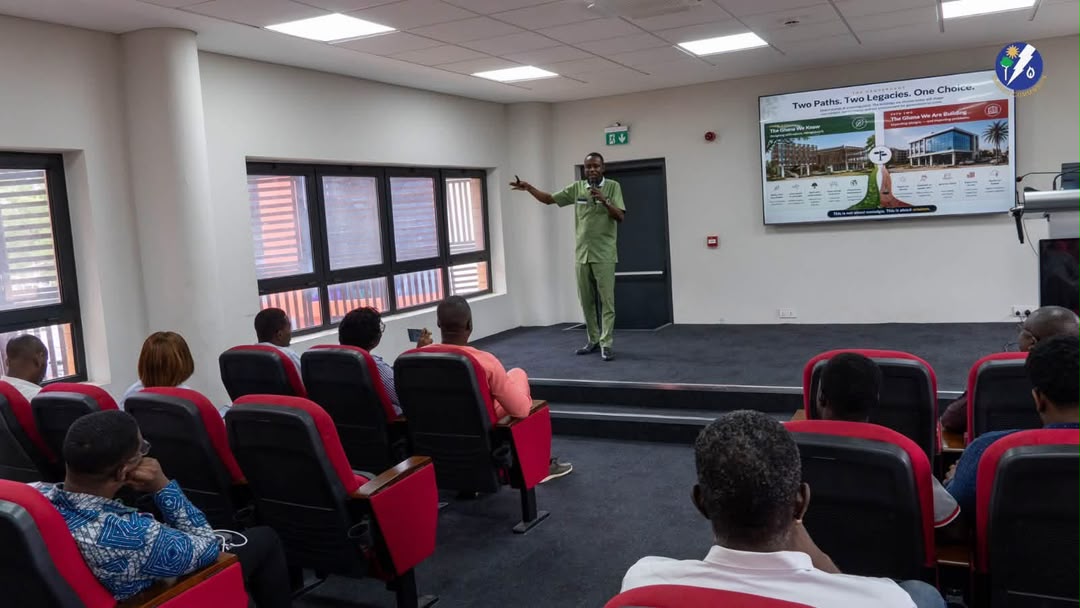
Technical experts from the Commission’s Energy Efficiency Unit presented the draft framework to architects, outlining how the guidelines could be applied across different categories of buildings through multiple compliance pathways.
According to the Commission, the initiative forms part of Ghana’s efforts to support commitments under the Paris Agreement as well as Sustainable Development Goal 7 (Affordable and Clean Energy) and SDG 13 (Climate Action).
A move from voluntary efficiency to regulatory integration
The significance of the consultation lies not only in the content of the guidelines, but in the Commission’s intention to integrate energy-efficiency requirements directly into the building approval process.
If implemented, the framework would move Ghana beyond largely voluntary energy-efficiency practices toward a more structured regulatory approach in which energy performance becomes a consideration at the design and permitting stage rather than after construction.
The proposed guidelines provide three compliance routes: a prescriptive pathway, a performance-based pathway, and a certification option intended to accommodate different building types and levels of complexity.
This flexible structure is designed to avoid a one-size-fits-all approach and to make compliance feasible for both smaller projects and larger commercial developments.
Architects focus on practical implementation
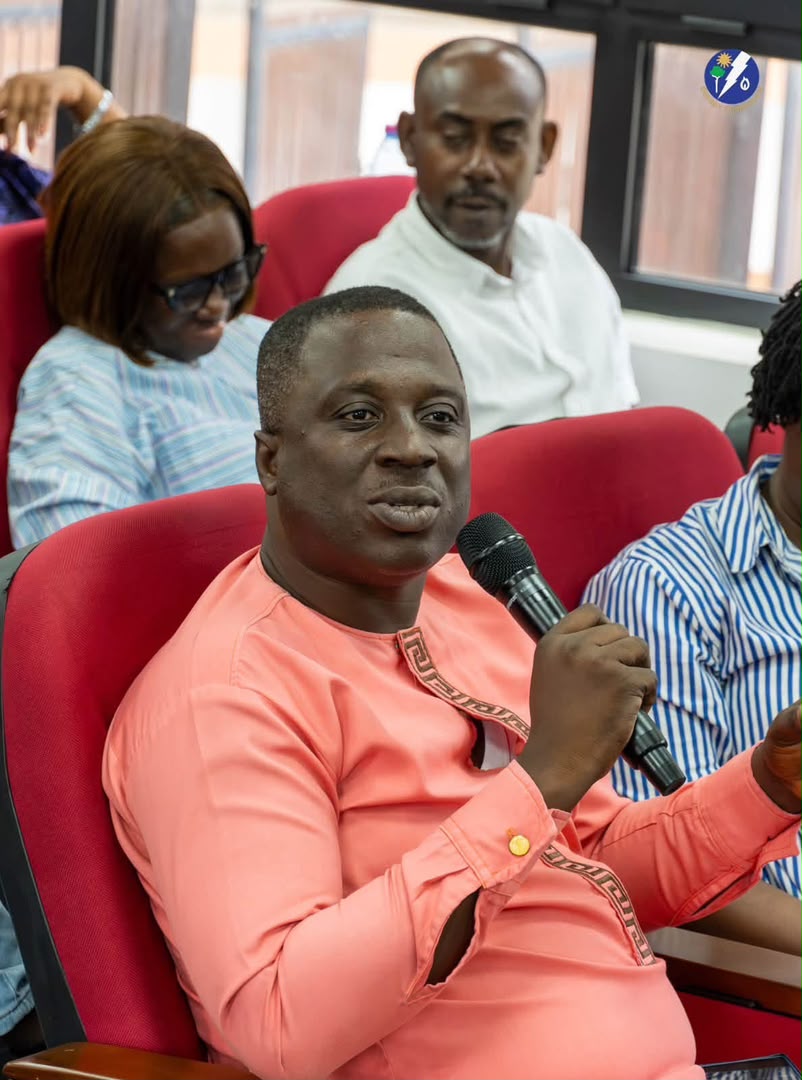
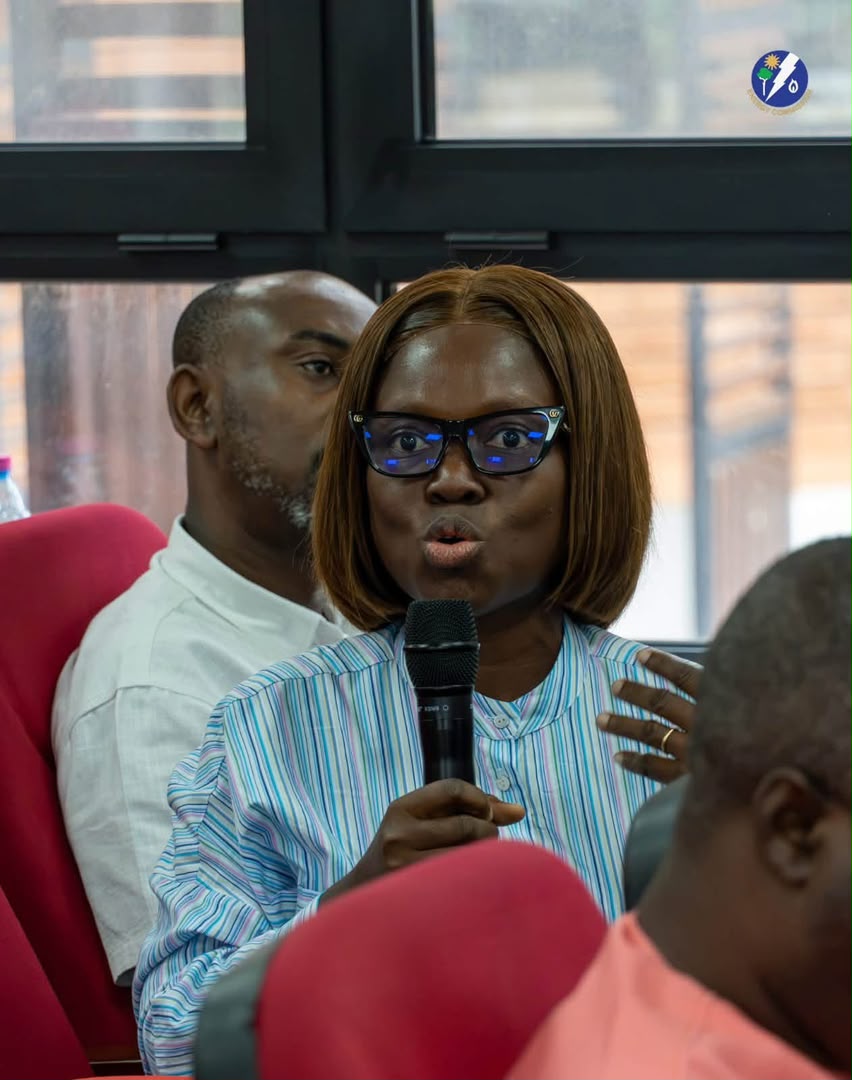
During the session, architects raised questions about implementation timelines, compliance procedures and the practical application of the proposed requirements.
The discussion highlighted a familiar challenge in building regulation: balancing environmental ambition with commercial and technical realities.
Industry participants sought clarity on how the guidelines would interact with existing permitting procedures and what documentation or verification mechanisms would be required.
Commission officials responded directly to those concerns, emphasising that the current engagement is part of a broader consultation process rather than the immediate rollout of a final regulatory regime.
The objective is to develop guidelines that are practical, commercially viable and responsive to industry realities.
Energy Commission
Why buildings matter to Ghana’s energy future
The focus on buildings reflects a growing recognition that electricity demand is increasingly shaped by the design of the built environment.
As Ghana urbanises, energy consumption from cooling, lighting, ventilation and appliances is expected to rise significantly.

Poorly designed buildings can lock in high electricity demand for decades, increasing pressure on generation, transmission and distribution infrastructure.
Energy-efficient design, by contrast, can reduce long-term operating costs, improve comfort and lower peak electricity demand.
This is particularly important in a country where cooling demand is expected to grow as urban temperatures rise and air-conditioning becomes more widespread.
In many emerging economies, the cheapest unit of electricity is often the one that does not need to be generated.
The Nearly Zero Energy Building as a demonstration project
As part of the engagement, participants visited the Nearly Zero Energy Building (NZEB), where they were shown how energy-efficiency measures and renewable-energy technologies can be integrated into modern building design.

The visit provided a practical demonstration of concepts that are often discussed only in technical documents, including high-performance building envelopes, efficient lighting and the integration of renewable energy systems.
For regulators, demonstration projects are important because they help bridge the gap between policy and implementation.
For architects, they provide evidence that energy-efficient design can be incorporated into contemporary construction rather than treated as a specialised or experimental approach.
A broader stakeholder process is planned
The Energy Commission described the meeting with the GIA as the first in a planned series of consultations across Ghana’s built-environment sector.
Future engagements are expected to involve other professional groups, developers, engineers and additional stakeholders whose work will be affected by the proposed framework.
That sequencing suggests the Commission is seeking industry buy-in before moving toward implementation, a strategy that could improve compliance and reduce resistance during rollout.
The bigger policy question: can Ghana avoid an inefficient building boom?
The consultation comes at a critical moment for Ghana’s urban development.
The country is experiencing rapid growth in housing, commercial real estate and public infrastructure.

Decisions made during this period will shape electricity demand patterns for decades.
A major risk for many fast-growing economies is that they expand their building stock without embedding efficiency standards, only to face rising energy costs and expensive retrofits later.
The proposed guidelines therefore represent an attempt to influence energy demand at the source rather than relying solely on future power-sector expansion.
Commercial viability will determine success
The Commission’s emphasis on commercial viability is particularly important.
Energy-efficiency regulations often fail when they are perceived as adding cost without delivering measurable value.
The challenge is to demonstrate that better design can reduce lifecycle costs even if upfront investment is slightly higher.
For developers and property owners, the key question is whether lower electricity bills, improved asset value and better occupant comfort can offset additional design or construction costs.
For government, the question is whether reducing building-related electricity demand can ease future pressure on the national grid and reduce the need for more expensive generation investment.
A strategic shift in energy planning
The emerging framework points to a broader evolution in Ghana’s energy policy.
Historically, energy planning has focused heavily on increasing generation capacity.
The building-efficiency initiative suggests a growing recognition that managing demand is also a strategic energy resource.

In effect, the Commission is treating efficient buildings as part of the country’s energy infrastructure.
The consultation with architects is therefore more than a technical exercise.
It is an early signal that Ghana may be preparing to make energy performance a standard feature of building regulation, linking climate policy, urban development and electricity planning in a more integrated way.
Whether the initiative succeeds will depend on the quality of the final guidelines, the clarity of enforcement mechanisms, and the extent to which regulators can maintain a balance between environmental ambition and practical implementation within Ghana’s construction industry.
READ ALSO: UK Prime Minister Signals Possible Inquiry Into Epstein’s Activities