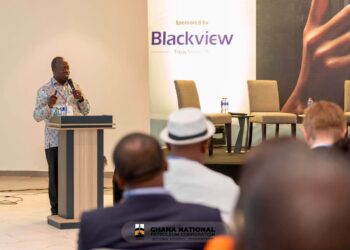

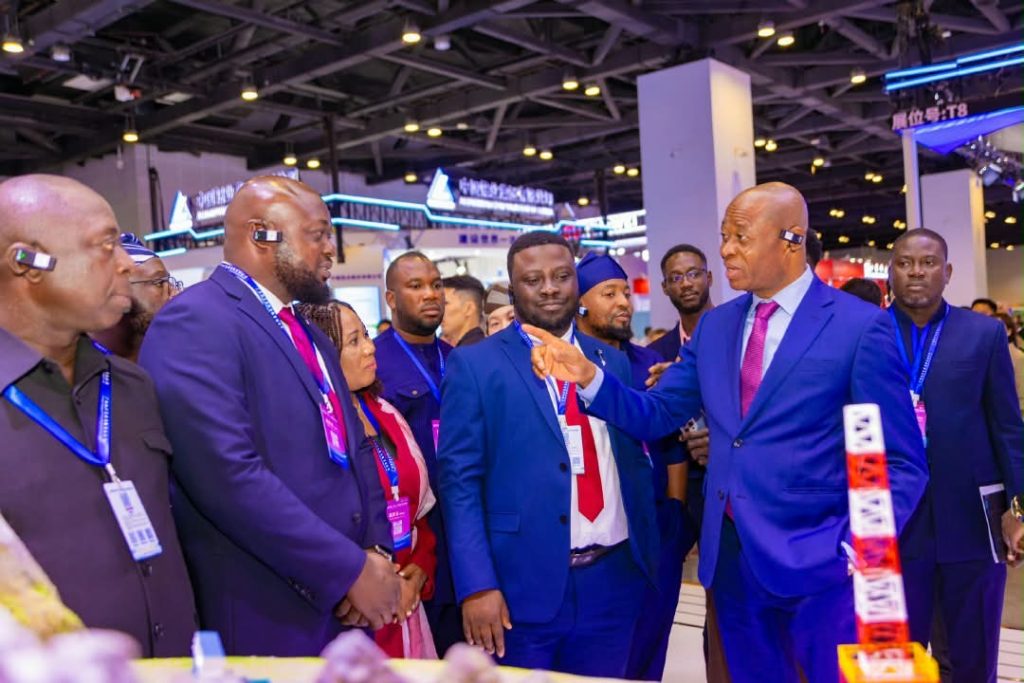
Mr Isaac Tandoh, Chief Executive Officer of the Minerals Commission, has issued a stern warning to individuals participating in illegal gold mining across Ghana, declaring that the law will deal ruthlessly with perpetrators regardless of their nationality as the country prepares for a strategic mining partnership with foreign entities.
Speaking at an official gathering, the chief executive emphasized that strictly regulated parameters and adherence to environmental governance remain non-negotiable standards for sustainable mineral exploitation.
“Illegal mining has no place in this partnership, and those who engage in it, whatever their nationality must face the full weight of the law.”
Mr Isaac Tandoh
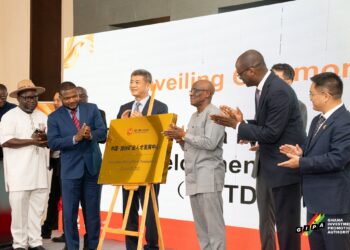
The regulatory body chief conveyed this firm message to stakeholders while delivering his keynote address at the Association of China-Ghana Mining (ACGM) forum.
Mr Tandoh explained that Ghana’s extractive sector is entering an era defined by bilateral cooperation, technological exchange, and mutual economic benefit, making it imperative to eliminate illicit operations that undermine lawful investments.
He noted that while government welcomes legitimate foreign investments particularly from Chinese enterprises seeking legal mineral partnerships the state will not hesitate to prosecute any syndicate or individual whose activities degrade land, contaminate water bodies, or disregard statutory mining regulations.
Preserving Sector Integrity and Environmental Assets
The directive issued by the Minerals Commission chief underscores a critical turning point in Ghana’s resource governance agenda.
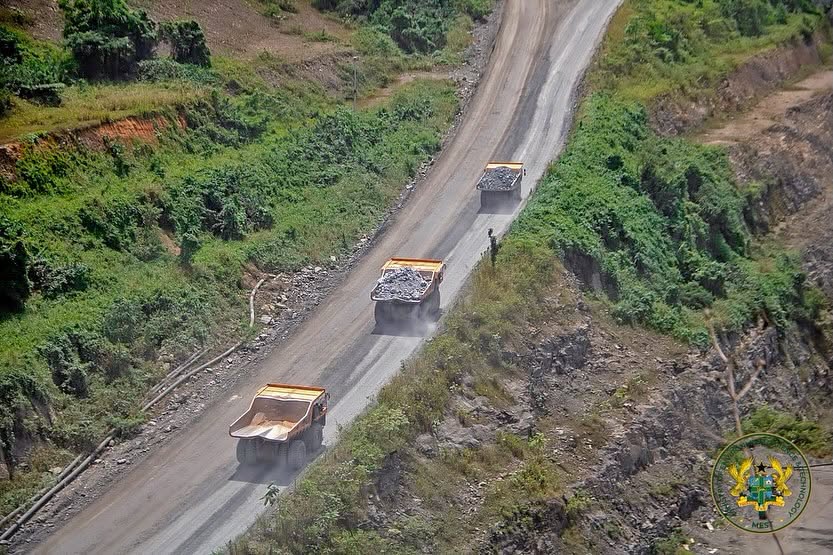
For years, illicit small-scale mining operations popularly referred to locally as galamsey have caused severe ecological destruction, resulting in polluted river basins, deforestation, and heavy financial losses to the national treasury.
By establishing zero tolerance for unlawful mining prior to rolling out new collaborative frameworks with international partners, state regulators aim to protect vital ecosystems while ensuring that legal concessions operate in accordance with international environmental standards.
Extractive industry experts observe that illegal operations compromise the safety standards of legal concessions and create security risks that jeopardize prospective capital inflows.
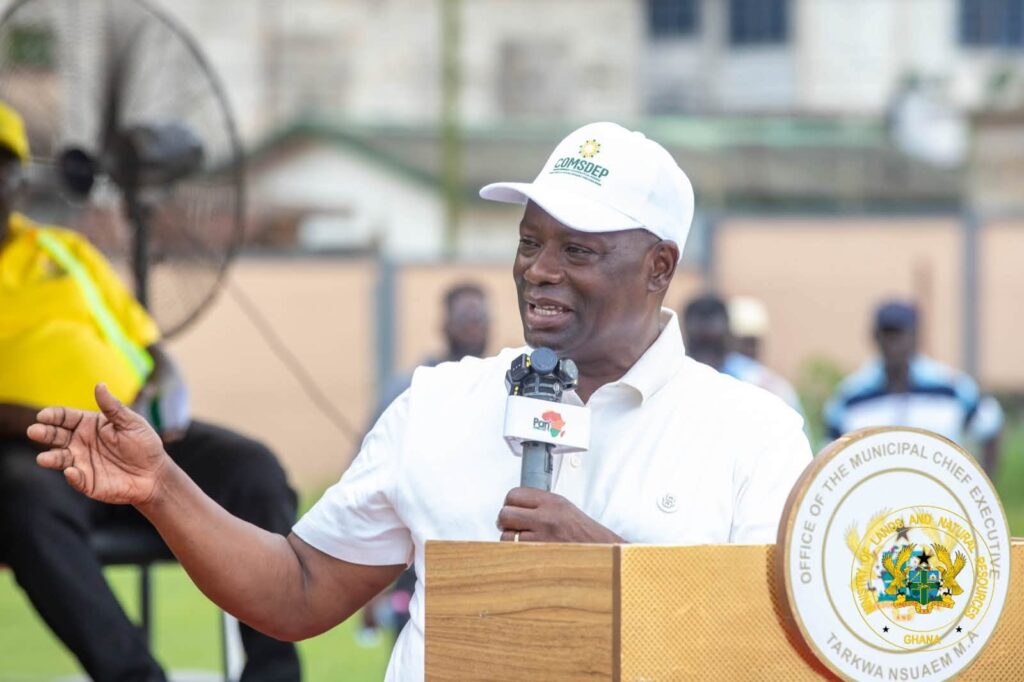
Mr Tandoh reiterated that establishing a clean operational environment is essential to safeguarding the commercial interests of legitimate corporate partners.
Through strict regulatory enforcement, joint task force patrols, and intelligence-led operations, the Minerals Commission intends to dismantle illicit mining networks operating within industrial and artisanal zones nationwide.
Safeguard Mechanisms and Bilateral Investment Frameworks
The bilateral engagements facilitated by the Association of China-Ghana Mining signal a structural shift toward transparent enterprise and institutional accountability in the extractives domain.
Under the proposed partnership framework, incoming investments will be coupled with formal compliance mandates, requiring participating firms to implement strict land reclamation protocols and environmental remediation schemes.
Mr Tandoh highlighted that international collaboration must prioritize local value addition, community development, and technology transfer, rather than raw extraction devoid of sustainable practices.

To support these objectives, the Minerals Commission is enhancing its digital tracking mechanisms to monitor small-scale and medium-scale mining concessions in real time. This monitoring infrastructure aims to prevent non-compliant entities from operating under the guise of legitimate joint ventures.
The regulator warned that foreign nationals found operating without valid licenses or collaborating with unauthorized local facilitators will face immediate deportation, asset confiscation, and legal prosecution under the Minerals and Mining Act.
Sustainable Resource Management and Economic Outlook
As Ghana positions its extractive sector to support broader macroeconomic recovery, enforcing regulatory compliance remains central to retaining investor confidence.
The partnership between Ghanaian mineral stakeholders and Chinese mining enterprises presents opportunities to modernize extraction processes, reduce mercury usage, and introduce modern eco-friendly washing technologies to small-scale mining.
However, regulatory authorities insist these benefits can only be realized if the operating environment is cleared of predatory and unregulated activities.
Moving forward, the Minerals Commission plans to deepen collaboration with national security agencies, traditional authorities, and industry associations to enforce environmental compliance across mining communities.
Mr Tandoh urged legitimate industry players within the ACGM to self-regulate and report unauthorized operators within their operational jurisdictions.
By maintaining a firm stance on law enforcement, Ghana aims to construct a resilient, equitable, and sustainable mining ecosystem that drives national economic growth while protecting the country’s natural heritage for future generations.
READ ALSO: NHIA Hosts Tanzania Delegation for Health Insurance Regulatory Exchange