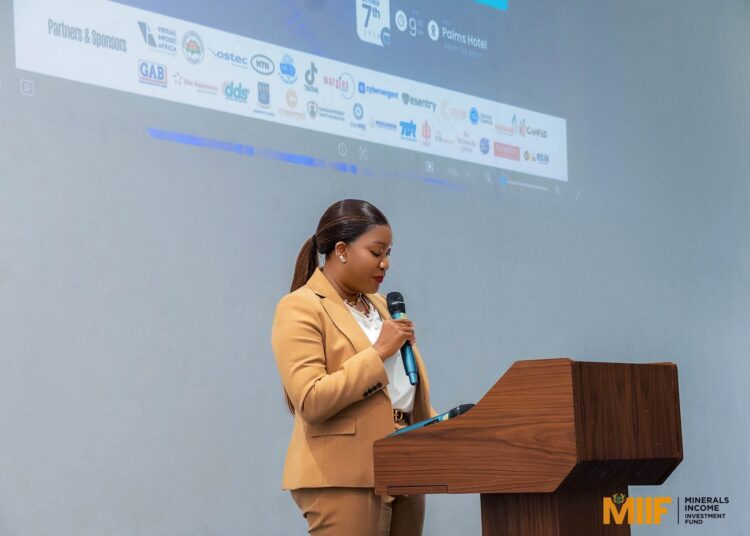
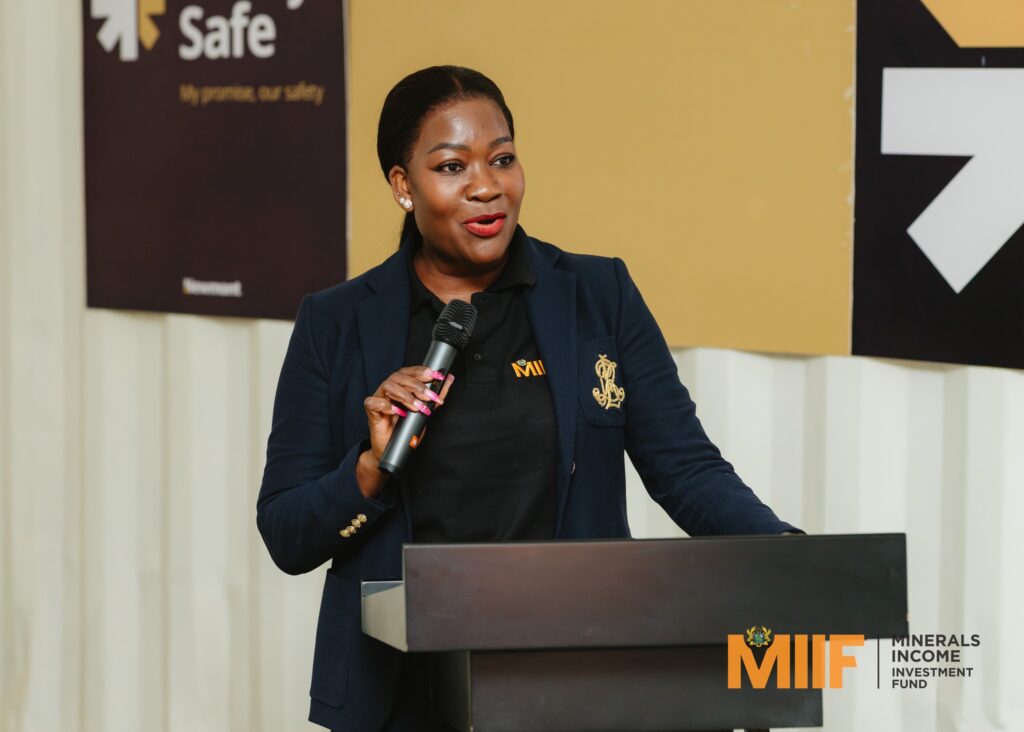
Mrs. Justina Nelson, the Chief Executive Officer of the Minerals Income Investment Fund (MIIF), has stated that establishing deeper strategic partnerships with international investors remains essential to unlocking Ghana’s vast mineral potential and accelerating value addition within the domestic mining sector.
Addressing global industry stakeholders on the sidelines of the 2026 China (Guangxi)–ASEAN Mining Cooperation Conference in China, Mrs. Nelson emphasized that Ghana’s mineral landscape presents highly lucrative prospects for foreign capital.
She explained that the country is aggressively shifting away from the historic practice of exporting raw, unprocessed minerals toward localized industrial production.
According to her, key commercial opportunities exist across critical mineral deposits, specifically in bauxite, iron ore, manganese, and graphite, which are vital for powering next-generation global industries.
“Deeper partnerships with international investors are key to unlocking Ghana’s mineral potential and driving greater value addition in the mining sector.”
Mrs. Justina Nelson, Chief Executive Officer, MIIF
Capitalizing on Unused Mineral Reserves and Technical Ventures
Ghana currently holds vast, under-exploited mineral reserves that require massive capital injection and technical expertise to transition into full production.
The nation possesses an estimated 920 million tonnes of bauxite resources alongside more than 1.7 billion tonnes of iron ore deposits located at Sheini Hills.
Furthermore, proven manganese reserves stand at approximately 5.2 million tonnes, complemented by untapped graphite deposits and emerging exploration developments across the Cape Coast lithium belt.
To harness these reserves, the MIIF Chief Executive Officer outlined actionable entry points for international firms, including direct investments in greenfield and brownfield projects, joint ventures with local contract miners, and the establishment of domestic manufacturing facilities for mining consumables.
Catalysing Downstream Processing and Import Substitution
The drive for international partnerships is fundamentally anchored on establishing local downstream mineral processing capacity to retain resource value within the Ghanaian economy.
Mrs. Nelson identified high-priority industrial investment avenues, including alumina refining, advanced smelting technology, commercial iron and steel production, and the processing of battery-grade manganese.
Developing an integrated mine-to-steel ecosystem stands out as a critical economic imperative.
A fully operational domestic steel industry has the potential to replace roughly US$528 million in annual iron and steel imports based on 2023 trade statistics, directly arresting foreign exchange drain and building industrial resilience.
This strategic shift forms a core component of MIIF’s mandate to leverage sovereign mineral assets to catalyze industrialization, stimulate skilled job creation, and guarantee long-term macroeconomic stability.
Institutional Backing and Policy Guarantee for Foreign Capital
To reassure the global investment community, the Ghanaian government has reaffirmed its commitment to maintaining a robust regulatory environment that safeguards foreign capital.
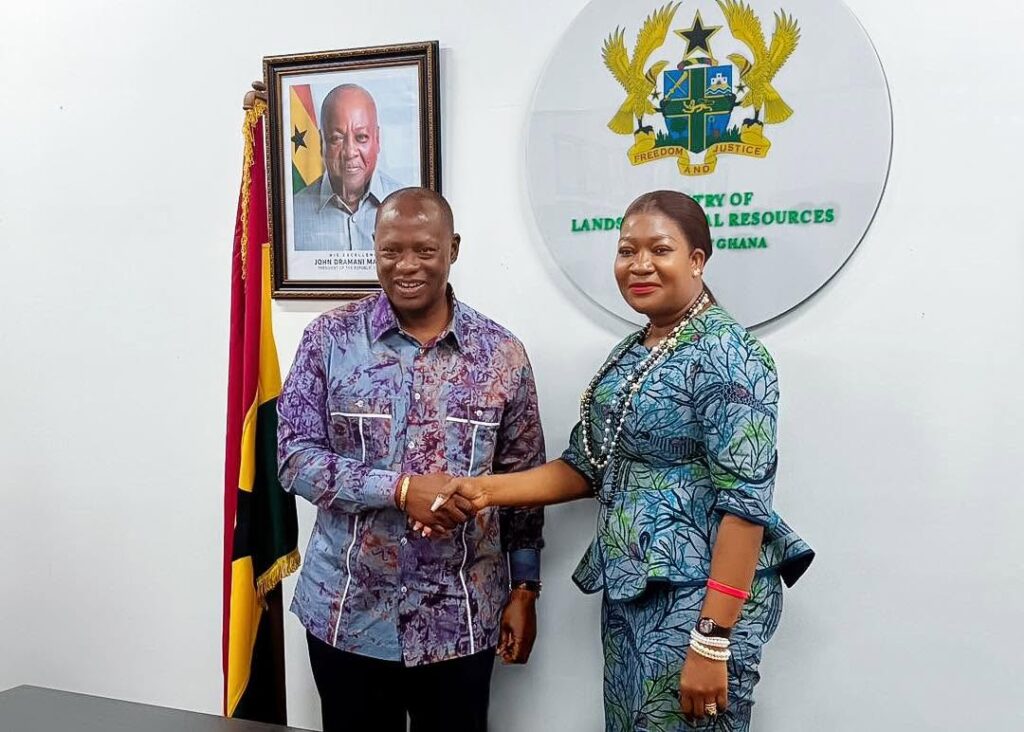
Speaking at the conference themed “Empowering China-ASEAN Mining Cooperation, Innovation and Development,” the Deputy Minister of Lands and Natural Resources, Alhaji Yusif Sulemana, assured attendees that Ghana’s legal frameworks are fully open to international investments.
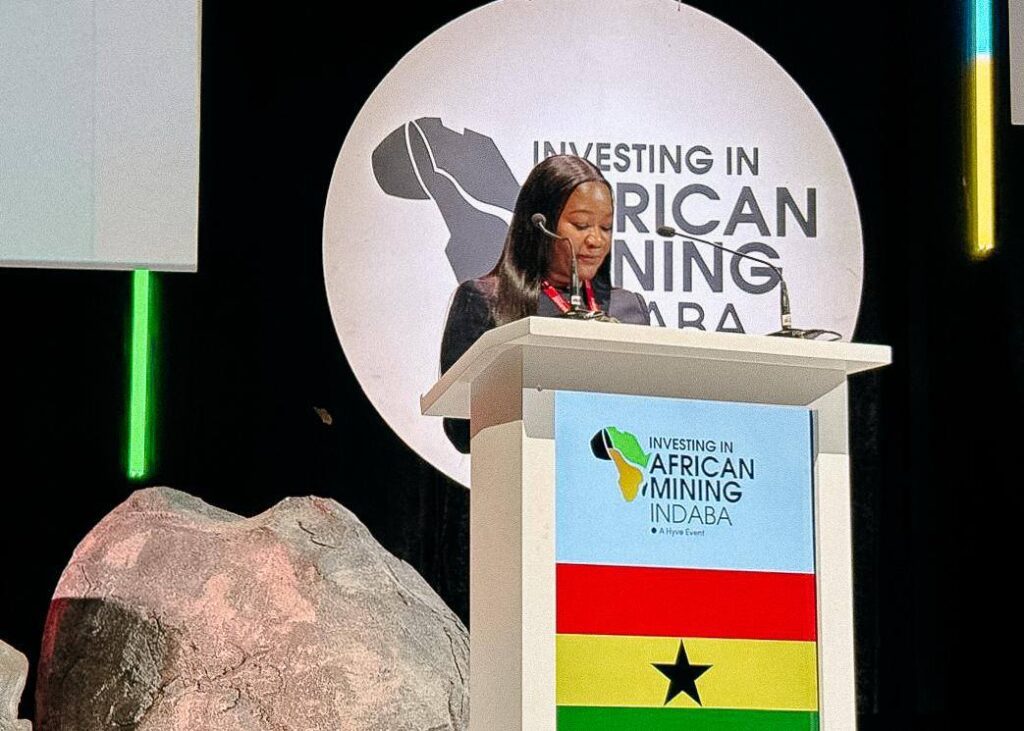
He noted that state regulatory bodies remain dedicated to facilitating seamless public-private collaborations and streamlining administrative processes for international businesses.
Strongly encouraging Chinese mining conglomerates and industrial entities to establish long-term operations in Ghana, Alhaji Sulemana emphasized that bilateral cooperation must yield mutually beneficial economic returns across the entire extraction and refining value chain.
READ ALSO: Iran Rejects French Claims Over Supermarket Cyberattacks