The General Secretary of the National Council of Parent Teacher Association (NCPTA), Mr. Raphael Kofi Gapson, has criticized the exclusion of the association from national discussions on addressing worsening indiscipline in schools, arguing that meaningful education reforms cannot succeed without the direct involvement of parents.
Speaking on the growing national debate over school discipline, Mr. Gapson maintained that while the conversation on restoring discipline is timely and necessary, policymakers erred by sidelining the country’s officially recognized Parent Teacher Association during stakeholder engagements.
He argued that parents, schools and the state share a constitutional responsibility to promote the welfare and proper upbringing of children, making the PTA an indispensable stakeholder in any policy decision concerning discipline in educational institutions.
“The debate on discipline deserves broad national support, but it cannot be complete when parents’ representatives are left outside the room where critical decisions are made. Genuine reforms must be shaped with those who entrust their children to the schools every day.”
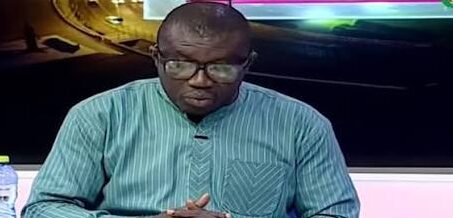
Mr. Raphael Kofi Gapson
Mr. Gapson stressed that Ghana’s decentralized system of governance requires inclusive decision-making rather than top-down directives. According to him, every recognized institution must be allowed to function within its legal mandate, particularly where matters directly affect its constituency.
He described the National Council of Parent Teacher Association as a properly regulated statutory body that should be accorded its rightful place in education policy discussions.
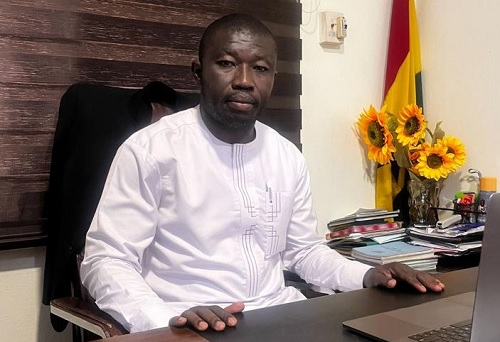
The NCPTA General Secretary further commended organisations, civil society groups and members of the public who have contributed to the ongoing national discourse, saying broad engagement would ultimately produce balanced and practical solutions to the discipline challenges confronting schools.
Constitutional Provisions Support Child Welfare
Providing what he described as both legal and philosophical foundations for the discussion, Mr. Gapson referred to Article 14(1) of Ghana’s 1992 Constitution, particularly the provision permitting restrictions on personal liberty for the education or welfare of persons below the age of 18.
He praised the framers of the Constitution for adopting what he described as a practical and common-sense approach in balancing individual freedoms with the responsibility to protect children.
“If we truly believe in decentralization, then we must allow institutions established under the law to perform their responsibilities. National conversations should not begin and end without those whose mandate directly concerns the issue.”
Mr. Raphael Kofi Gapson
According to him, the constitutional provision places obligations not only on the state but equally on educational institutions and parents. Mr. Gapson explained that the legal framework recognises the unique responsibility society bears toward minors, particularly in ensuring their proper upbringing and education.
He argued that discussions surrounding school discipline should therefore be understood within this broader constitutional context rather than being reduced to isolated debates about punishment.
The PTA executive questioned whether disciplinary approaches applicable in universities are identical to those used in basic schools, noting that educational interventions must always consider the age and developmental needs of learners.
Discipline Requires Shared Responsibility
The NCPTA General Secretary observed that deteriorating discipline in schools has become a matter of national concern requiring collective action from all stakeholders.
He maintained that the state, school authorities and parents all acknowledge that indiscipline has intensified over the years, affecting teaching, learning and the broader educational environment.
According to him, restoring discipline cannot be achieved through isolated actions by government or schools alone but demands sustained collaboration among all parties responsible for children’s development.
“No responsible parent celebrates indiscipline or wishes to see children lose direction. Every stakeholder recognises that the situation has worsened, which is precisely why solutions must be collective, balanced and focused on the long-term welfare of our young people.”
Mr. Raphael Kofi Gapson
According to him, schools cannot shoulder this burden alone, as parents and government institutions equally have roles to play in nurturing disciplined, productive and responsible young people.
PTA Calls for Inclusion in Future Engagements
Despite welcoming the Education Minister’s decision to initiate a national conversation on discipline, Mr. Gapson expressed disappointment that the NCPTA was not invited to participate in an important stakeholder meeting held in Sunyani.
He described the omission as a significant oversight, considering the central role parents play within Ghana’s education system. The General Secretary stated that the association would have preferred to contribute constructively from the outset rather than reacting after decisions had already been discussed.
While acknowledging the minister’s commitment to addressing discipline, he urged the Ministry of Education to broaden future consultations to ensure that all key stakeholders participate meaningfully.
Mr. Gapson maintained that the PTA remains prepared to support government efforts in the national interest, despite its exclusion from the initial engagements.
He argued that parents are not merely observers within the education sector but active partners whose experiences and perspectives can strengthen policy outcomes.
According to him, PTAs represent families across the country and therefore possess firsthand knowledge of many of the behavioural and social issues affecting learners both at home and in school. He further asserted that parents remain one of the most influential constituencies in shaping national education outcomes and public accountability.
Call for Broader National Consensus
Mr. Gapson concluded by urging policymakers to adopt a more inclusive approach as discussions on school discipline continue. He reiterated that effective and sustainable reforms must emerge from collaboration among government, educators, parents and other education stakeholders.
The NCPTA General Secretary expressed confidence that with wider consultation, Ghana could develop practical and balanced disciplinary policies capable of improving learning environments while safeguarding the welfare and rights of children.
He affirmed the association’s readiness to participate in future engagements, insisting that restoring discipline in schools remains a shared national responsibility requiring cooperation rather than exclusion.
READ MORE: Health Ministry Declares Zero-Tolerance Policy on Admission Extortion