Italian Foreign Minister, Antonio Tajani has emphasized that diplomacy is the right way to solve the crisis in the Strait of Hormuz and there are no naval missions Italy is involved in that could be extended to the area.
Iran has brought shipping in the strait to a standstill in retaliation for the US and Israel’s strikes on the country, resulting in what the International Energy Agency has called the largest disruption to global energy supplies in history.
Global oil prices have risen more than 40 percent since the start of the war, pushing up fuel prices and heightening fears of a slowdown in the global economy.
According to the United Kingdom Maritime Trade Operations (UKMTO) centre, no more than five ships have passed through the strait each day since the start of the war, compared with a historical average of 138 daily transits. UKMTO added that at least 16 commercial vessels have been attacked in the region since the war began on February 28, 2026.
Tajani told reporters on the sidelines of a meeting in Brussels, “As far as Hormuz is concerned I believe diplomacy needs to prevail.” He added that Italy is involved in defensive naval missions in the Red Sea “but I don’t see any missions that can be extended to Hormuz.”
Similarly, a German government Spokesperson said that the war in Iran has nothing to do with NATO, adding that Germany would not take part in the war nor in keeping the Strait of Hormuz open through military means. “As long as this war continues, there will be no participation, not even in any effort to keep the Strait of Hormuz open by military means,” the Spokesperson said.
Greek Government Spokesman, Pavlos Marinakis said that Greece also will not engage in any military operations in the Strait of Hormuz.
US President Donald Trump has demanded that allies to join a mission to safeguard shipping in the Hormuz Strait, threatening NATO if they don’t.

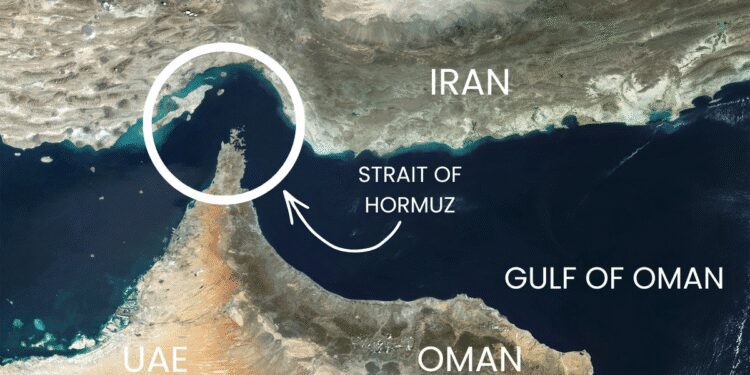
Trump called on other countries to help Washington reopen the Strait, which usually transports about one-fifth of the global oil supply. Trump’s proposal has received a muted response so far, with none of the countries he appealed to by name, including China, Japan, France and the UK, publicly committing to deploying their navies to secure the strait.
In an interview, Trump said that NATO would face a “very bad” future if his proposal received “no response, or if it’s a negative response.”
Trump has repeatedly said that he is willing to deploy the US Navy to escort commercial shipping through the strait, which is bordered by Iran, Oman and the United Arab Emirates, if necessary.
Trump administration officials have said that warships will not be deployed to the waterway until Tehran’s military capacity has been further degraded, but that they expect such operations to begin soon.
Rodger Shanahan, a Middle East Security Analysts, opined that it is “unlikely” that the US’s allies will get involved in “securing” the Strait of Hormuz, as the Trump administration suggested.
In comments to a news agency, Shanahan said that because most of US’s allies “opposed this war to begin with,” it makes them “feel relatively less inclined to provide support to it.”
“Besides, there’s a practical issue. If you want naval support for some kind of coalition protection operation, it takes you a long time to get ships to sail to that area. You can’t do this kind of stuff on the fly.”
Rodger Shanahan
Iran Says Strait of Hormuz ‘Closed To Our Enemies’
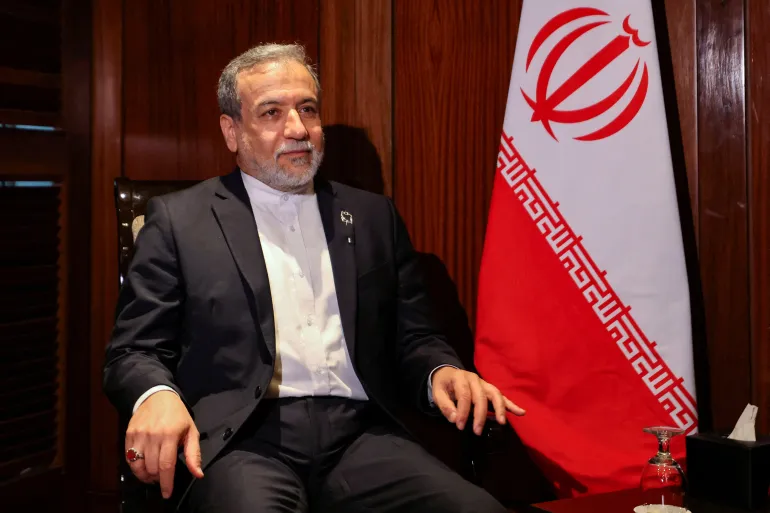
However, Iran’s Foreign Minister, Abbas Araghchi stated during a weekly foreign ministry briefing that the Strait of Hormuz is “closed to our enemies.”
“After 15 days of war, they have resorted to others to ensure the security of the Strait of Hormuz, turning to those they considered enemies until yesterday.
“They are asking other countries to come and help them so that the strait remains open. From our perspective, the strait is open, but it is closed to our enemies, closed to those who carried out this cowardly aggression against us and to their allies.”
Abbas Araghchi
He added that US-Israeli attacks started “a war that the enemy started by demanding unconditional surrender.”
Araghchi said that Tehran had shown it was ready to take the war with Israel and the US as far as necessary.
“I think by now they have learned a good lesson and understood what kind of nation they are dealing with, one that does not hesitate to defend itself and is ready to continue the war wherever it may lead, and take it as far as necessary.”
Abbas Araghchi
READ ALSO: Guterres Urges Renewed Global Action To Confront Islamophobia