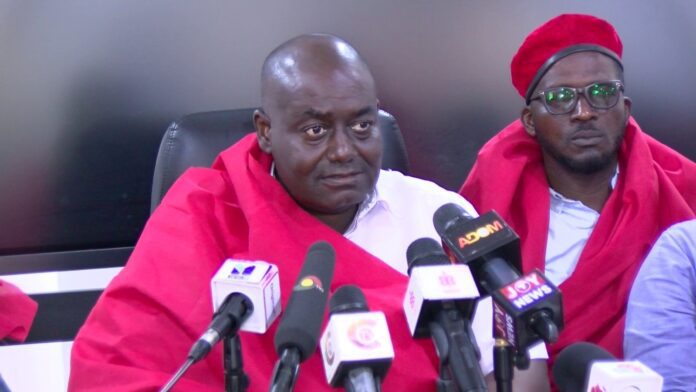
The Civil and Local Government Staff Association of Ghana has suspended its nationwide strike action following an appeal from government to allow additional time for negotiations over salaries and conditions of service. The decision is expected to restore normal operations across key public institutions that had been affected by the industrial action.
In a statement issued on March 17, the association disclosed that its National Executive Committee reviewed the government’s request for a temporary halt to the strike. The leadership subsequently agreed to suspend the action for a period of two weeks to create space for dialogue and a possible resolution of the dispute.
According to the statement, the government formally appealed to the union to call off the strike and grant a fourteen day window to address concerns relating to salary structures and working conditions. The association confirmed that it had accepted this request after internal deliberations.
“EXECO on 17th March, 2026 reviewed the appeal by Government to call off the nationwide strike action and allow Government fourteen days to come to an amicable resolution of the issues with the Salary Structure and Conditions of Service of members of CLOGSAG.”
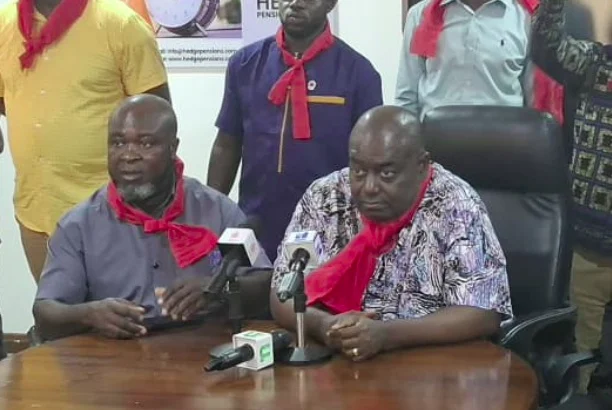
CLOGSAG Executive Secretary, Isaac Bampoe Addo
Following this decision, the association announced the immediate suspension of the industrial action, signaling a temporary return to normalcy within the public sector.
Return to Work Directive Issued
As part of the suspension, the union directed all its members across the country to resume work by Tuesday, March 24, 2026. This directive is expected to bring relief to citizens who had experienced disruptions in accessing essential administrative and local government services.
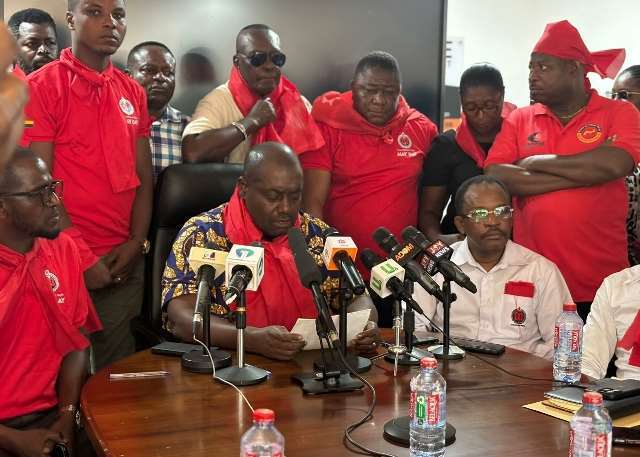
“All members of CLOGSAG are to report to work by Tuesday, 24th March, 2026,” the statement added. The communication was signed by the association’s Executive Secretary, Isaac Bampoe Addo.
The strike, which began on March 9, had significantly affected the operations of ministries, departments, agencies, and local government assemblies. Administrative processes, documentation services, and coordination of public programmes were among the areas disrupted during the period.
With the suspension now in effect, public institutions are expected to gradually resume full operations, although the outcome of the ongoing negotiations will determine the long term stability of service delivery.
Dispute Over Salaries and Conditions
The industrial action was triggered by disagreements between the association and the government over salary structures and conditions of service for its members. CLOGSAG represents a substantial segment of Ghana’s public sector workforce, particularly administrative personnel whose roles are central to the functioning of government institutions.
The union has consistently raised concerns about what it describes as unresolved issues relating to remuneration and working conditions. These concerns have remained a source of tension between the association and authorities, leading to periodic industrial actions.
The current suspension reflects a willingness on the part of the union to engage in further discussions, provided that meaningful progress is made within the agreed timeframe.
Legal Position and Labour Commission
Despite the decision to suspend the strike, the association indicated that it would not appear before the National Labour Commission at this stage. This position is linked to ongoing legal proceedings involving the commission, which the union believes must be resolved before any formal engagement can take place.
The decision introduces an additional layer of complexity to the negotiation process, as the National Labour Commission typically plays a central role in mediating industrial disputes. However, CLOGSAG leadership appears committed to resolving the matter through direct engagement with the government within the two week window.
The suspension of the strike places significant responsibility on the government to present concrete proposals that address the concerns raised by the association. The fourteen day period is widely seen as a critical window for both parties to reach a compromise and avoid a recurrence of the disruption.
Failure to achieve a mutually acceptable agreement could result in the reinstatement of the strike, which would likely have renewed consequences for public service delivery. Given the essential role played by CLOGSAG members, any prolonged industrial action has the potential to affect a wide range of government functions.
Analysts note that the situation underscores broader challenges within the public sector, particularly in relation to wage structures and working conditions. Addressing these issues may require not only short term negotiations but also longer term policy adjustments.
Outlook for Public Services
For now, the suspension offers temporary relief to citizens and businesses that rely on government services. The return of staff to their posts is expected to ease administrative bottlenecks and restore routine operations across the country.
However, the durability of this relief depends on the success of the ongoing negotiations. Both the government and the association face the task of finding common ground within a limited timeframe, while balancing competing priorities and expectations.

The coming days are likely to be decisive in determining whether the current pause in industrial action leads to a lasting resolution or merely postpones further disruptions.
As discussions continue, attention will remain focused on the ability of both parties to reach an agreement that satisfies the demands of workers while maintaining fiscal and administrative stability.
READ ALSO: Mahama Delivers a Solid 6% Growth in 2025 as GDP Hits GH¢1.43 Trillion