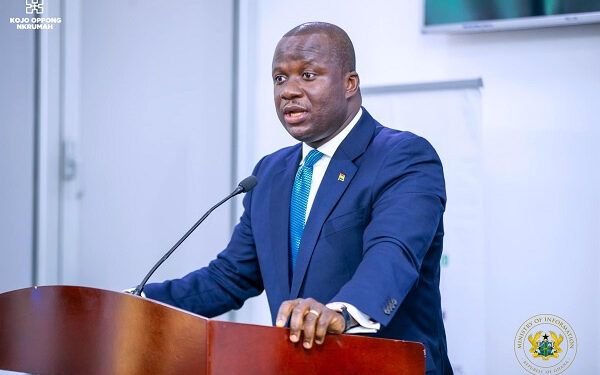
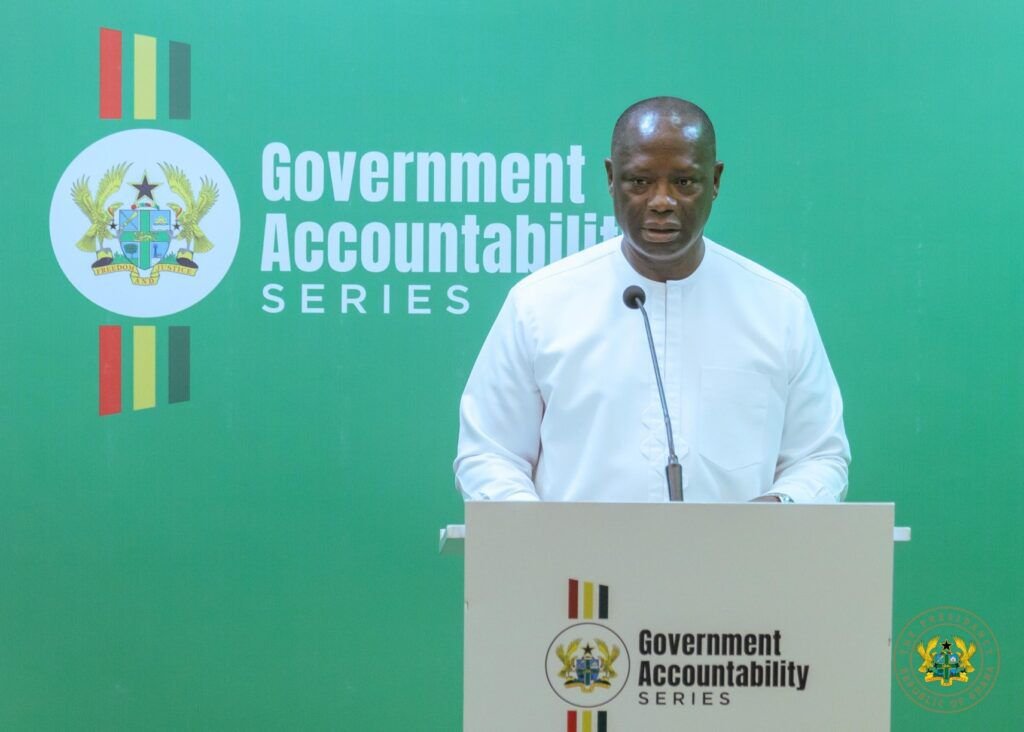
Hon. Samuel Abu Jinapor, the Member of Parliament for Damongo and former Minister of Lands and Natural Resources, has raised a red flag over Ghana’s recent fall in the Global Mining Investment Attractiveness Index.
The latest 2025 ranking by the Fraser Institute shows Ghana has slipped seven places, moving from its 46th position in 2024 to 53rd globally.
This decline in the country’s standing as a preferred destination for mining capital is causing ripples across the extractive sector, especially as it comes at a time when fewer jurisdictions were even assessed.
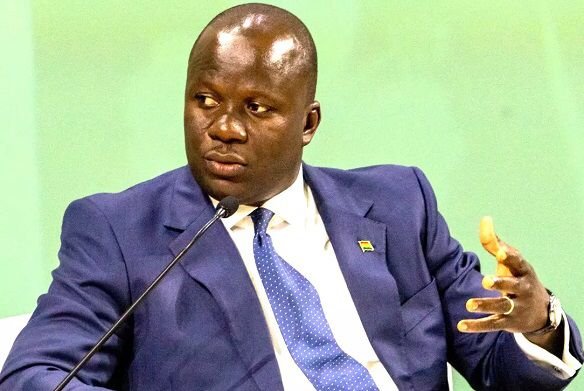
“Ghana’s decline in this ranking reflects a negative perception of Ghana’s public policy environment affecting mining exploration and investment. This has the potential to erode all the gains made during the eight years of the Akufo-Addo administration. This trend is particularly troubling given the central role of the mining sector in Ghana’s economy.”
Hon. Samuel Abu Jinapor
The drop is particularly concerning because while 82 countries were evaluated in 2024, only 68 made the cut in the 2025 report.
For a nation that has long prided itself as a “mining hub,” finding itself ranked behind African peers like Côte d’Ivoire, the Democratic Republic of Congo, Namibia, Zambia, Tanzania, Morocco, and Botswana indicate a relative loss of competitive edge.
This shift reflects a deepening negative perception among global investors regarding the current public policy environment in Ghana, threatening to undermine years of steady growth in the gold and green mineral sectors.
The Architecture of a Slumping Reputation

The primary driver of this descent is not a lack of gold in the ground, but rather the “uncertain, interventionist and opaque” nature of current policy directions.
On the Policy Perception Index (PPI), which measures how government actions encourage or discourage investment, Ghana fell to 50th out of 68 jurisdictions.
This low score is tied to growing anxieties over the administration and enforcement of existing regulations, as well as regulatory duplications and inconsistencies.
Specific flashpoints include the recently introduced sliding royalty regime and various fiscal measures that the Ghana Chamber of Mines has warned “risk constraining investment expansion.”
Investors are increasingly wary of the lack of clarity surrounding socio-economic agreements and trade barriers. This atmosphere of unpredictability is lethal for a capital-intensive industry where projects require long lead times and massive upfront outlays.
Without a stable framework, the “investor-friendly” reputation Ghana built which saw it overtake South Africa as the continent’s top gold producer with 4.9 million ounces in 2024 is rapidly being replaced by a narrative of regulatory risk.
Economic Fallout: More Than Just a Number

A sustained drop in these global rankings carries heavy economic consequences. Mining is a cornerstone of the Ghanaian economy, contributing roughly 5% to the GDP and accounting for over 37% of total export earnings.
When investment attractiveness wanes, the first casualty is “exploration spending,” which Hon. Jinapor described as the “lifeblood of the industry.”
Currently, only a handful of mines in Ghana have proven reserves to last beyond 15 years; without fresh exploration capital, the nation faces a “production cliff” that could lead to a massive decline in future revenues.
Furthermore, the loss of attractiveness directly threatens employment and local content gains. The sector supports thousands of direct jobs and hundreds of local businesses through procurement.
If new mines, like the recently commissioned Cardinal Namdini or the Ahafo North projects, are not followed by a new pipeline of developments, the ripple effect will hit regional economies in the Ashanti, Ahafo, and Western regions.
A lower ranking also makes it more expensive for the state to negotiate favorable terms, as “mobile” mining capital simply moves to more predictable jurisdictions like Côte d’Ivoire, which recently reclaimed its spot as the most attractive destination in West Africa.
Restoring the Shine: A Call for Policy Recalibration
To reverse this troubling trend, there is an urgent need for a “recalibration” of the country’s mining policies.
Restoring investor confidence will require moving away from opaque interventions toward a simplified and transparent fiscal regime.
Critics and industry experts agree that the government must prioritize geological investigations to prove new reserves and deal decisively with the menace of illegal mining (galamsey), which continues to invade the concessions of licensed holders.
Ensuring that Ghana remains a leading producer requires more than just having minerals; it requires a commitment to the “rule of law” and the “predictability” of state institutions.
By integrating the mining sector with downstream industries such as the new 400kg gold refinery and the planned manganese refinery Ghana can still add value to its resources.
However, these industrial ambitions can only be realized if the foundational policy environment is stable enough to keep the global investment community interested in the long haul.
READ ALSO: President Mahama Launches Industrial Revolution at AgroTech Fair