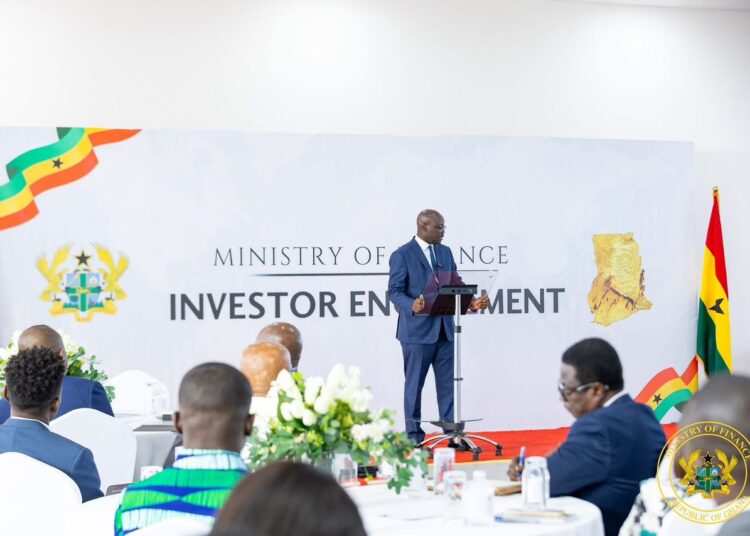
For the first time since 2021, the Ministry of Finance has convened a high-level investor town hall, bringing together key stakeholders across the financial ecosystem.
The engagement, which assembled investors, bankers, and bond market specialists, marks a deliberate effort by the government to rebuild trust and reinforce confidence in the country’s economic direction.
The meeting reflects a broader strategy to strengthen transparency and deepen engagement with both domestic and international investors. It also comes at a critical moment when Ghana is working to reposition itself following recent fiscal challenges and restructuring efforts.
Welcoming participants, Chief Director Patrick Nomo described the forum as a significant milestone in the government’s recovery journey. He emphasized that Ghana is committed to avoiding a return to debt distress, highlighting renewed focus on policy credibility and consistent stakeholder communication.
Strong Signals from Fiscal Leadership
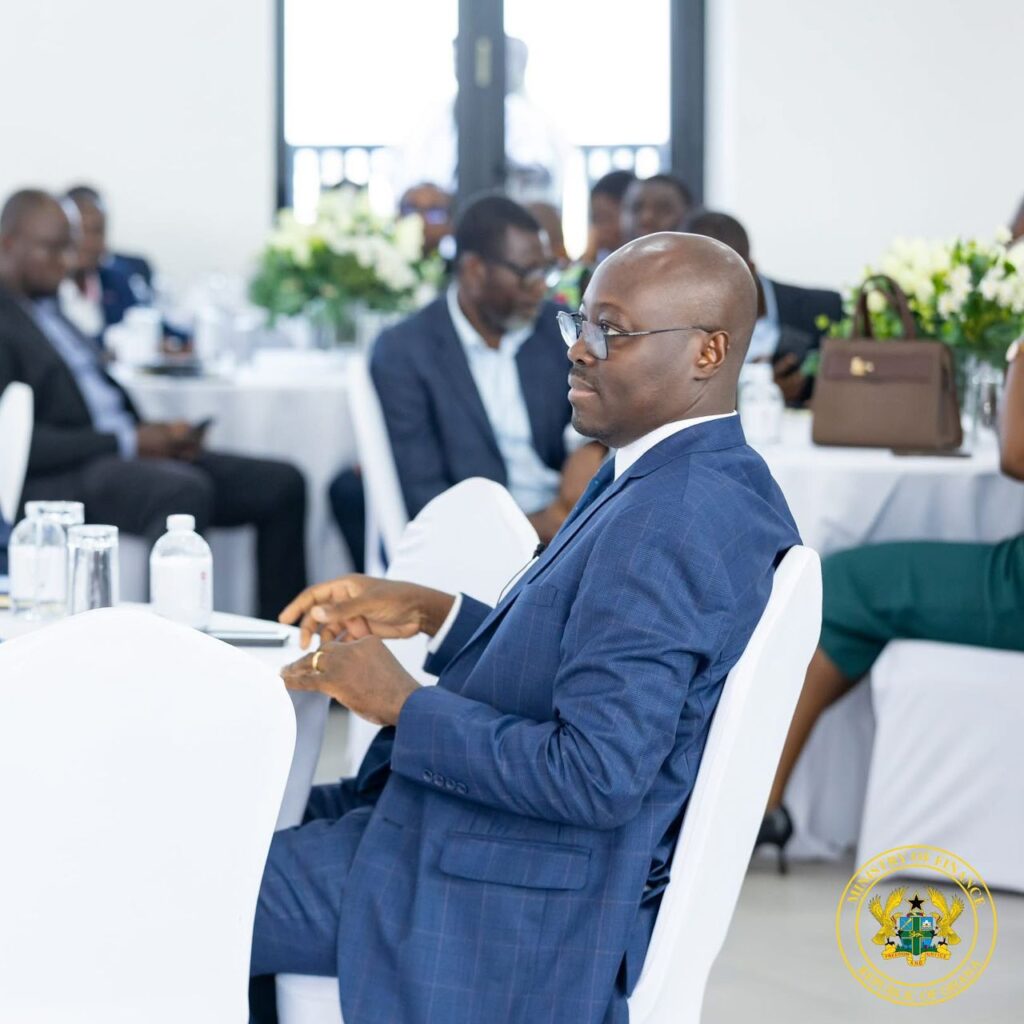
At the center of the engagement was the Finance Minister, Cassiel Ato Forson, who delivered a confident message on the country’s economic trajectory. He assured participants that Ghana is firmly on a recovery path, supported by improving macroeconomic indicators and disciplined fiscal management.
According to the Minister, the economy has demonstrated resilience since the implementation of the Domestic Debt Exchange Programme. He pointed to tangible gains, including successive programme reviews with the International Monetary Fund, which have resulted in disbursements exceeding 700 million dollars.
Additionally, Ghana has recorded a sovereign credit rating upgrade to B minus with a stable outlook, signaling renewed confidence from global rating agencies. The government has also successfully met its debt service obligations, including over 1.4 billion dollars in Eurobond payments in 2025, reinforcing its commitment to honoring financial commitments.
Inflation Declines, Growth Rebounds
One of the most notable highlights from the Minister’s presentation was the sharp decline in inflation. He revealed that inflation has dropped to 3.3 percent, marking a multi-year low and signaling improved price stability across the economy.
Economic growth has also rebounded strongly, driven largely by sustained expansion in the real sector. This recovery has been achieved alongside fiscal consolidation efforts, which have yielded a primary surplus without undermining critical spending on social services and infrastructure.
The Minister stressed that these developments are not coincidental but rather the result of deliberate policy actions aimed at stabilizing the economy while laying the foundation for long-term growth.

Credible and Achievable 2026 Targets
Dr. Forson, meanwhile, outlined the government’s macroeconomic framework for 2026, describing it as both credible and achievable. Central to this framework is a shift toward stronger domestic revenue mobilization.
He noted that non-oil tax revenue now accounts for over 80 percent of total inflows, reflecting a strategic move away from overreliance on volatile external revenue sources. This approach is expected to enhance fiscal sustainability and reduce exposure to global shocks.
The Minister emphasized that improving revenue performance will remain a cornerstone of economic policy, supported by reforms aimed at broadening the tax base and improving compliance.
Proactive Debt Management Strategy
Debt sustainability remains a key priority for the government, and the Minister outlined a series of proactive measures to address potential risks. Particular attention is being given to refinancing challenges associated with maturities in 2027 and 2028.
To mitigate these risks, the government is strengthening its Sinking Fund by allocating portions of non-oil tax revenue. This strategy is designed to build financial buffers that can be deployed to meet future obligations without undue strain on public finances.
In addition, authorities are implementing debt reprofiling measures to smooth the maturity profile and reduce interest costs. These efforts aim to create a more manageable debt structure while supporting overall fiscal stability.
Enhancing Transparency and Market Confidence
Transparency emerged as a central theme throughout the town hall. The government has committed to improving communication with market participants through regular publication of issuance calendars and more consistent updates on fiscal performance.
These measures are intended to provide investors with greater clarity and predictability, which are essential for rebuilding confidence in the domestic bond market. The Minister also highlighted efforts to strengthen cash buffers and ensure orderly market operations following the expiration of restrictions linked to the Domestic Debt Exchange Programme.
Positive Investor Sentiment
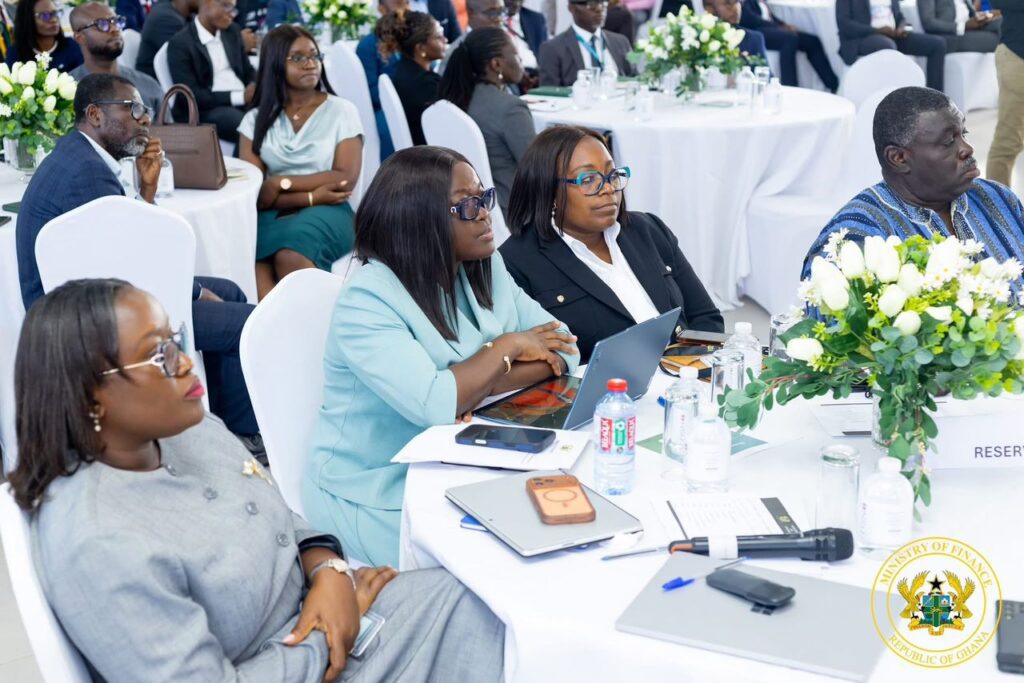
The interactive session that followed the presentations allowed participants to engage directly with the Minister and his team on key issues such as fiscal policy, debt sustainability, and the broader market outlook.
Feedback from attendees was largely positive, with many expressing renewed confidence in Ghana’s economic management. The government’s commitment to transparency, discipline, and continuous engagement was widely welcomed as a critical step toward restoring investor trust.
This renewed optimism suggests that Ghana’s efforts to stabilize its economy and rebuild credibility are beginning to yield tangible results.
As Ghana continues its recovery journey, the outcomes of the investor town hall highlight a growing alignment between policy direction and investor expectations. The government’s focus on fiscal discipline, transparency, and proactive debt management is gradually reshaping perceptions of the economy.
READ ALSO: MoF: Value for Money Office, a Firewall against Inflated Contract