Royal Air Force (RAF) Regiment gunners have achieved the distinguished status of drone “aces” for the first time, after successfully shooting down Iranian drones during operations in the Middle East.
This unprecedented achievement, confirmed by the Ministry of Defence, marks a historic evolution of a term traditionally reserved for fighter pilots.
In a modern battlefield increasingly defined by unmanned systems, RAF Regiment gunners have redefined what it means to dominate the skies this time from the ground.
Four personnel reached “ace” status by successfully destroying five or more Iranian drones during active operations in the Middle East.
According to a RAF Regiment gunner ‘ace’, the gunners are very proud to represent the next generation of the Corps.
“We are all RAF Gunners some as young as 18, many of us with over five confirmed engagements, and some just eight months out of training. Under constant threat, we are responsible for detecting, tracking and engaging targets, often while coming under fire but we continue to load and operate equipment even as missiles land around us. We take immense pride in our role. Working long, demanding shifts in high-pressure conditions, we remain focused, determined, and resilient.”
A RAF Regiment Gunner
The designation of “ace” dates back to the Second World War, when it was awarded to pilots who shot down at least five enemy aircraft in combat. The evolution of the much-acclaimed mark of respect and recognition demonstrates how, no matter the era, the RAF still protects the skies.
Armed Forces Minister, Al Carns, lauded their exceptional efforts, praising them for shooting down Tehran’s drones.

“Our teams across the Middle East are operating in some of the most demanding conditions imaginable, and they are delivering with professionalism, courage and real combat skill. I am hugely proud of our RAF Regiment. I am hugely proud of our RAF Regiment. Night after night, under threat, they are protecting British lives and British interests, and doing so in the finest traditions of the RAF Regiment.”
Al Carns
The Armed Forces Minister further stated that, this is the first of its kind, adding, “it isn’t just impressive, it is exceptional. We don’t say it enough in the UK, but thank you for your service.”
Counter-Drone Operations Reshape Modern Combat
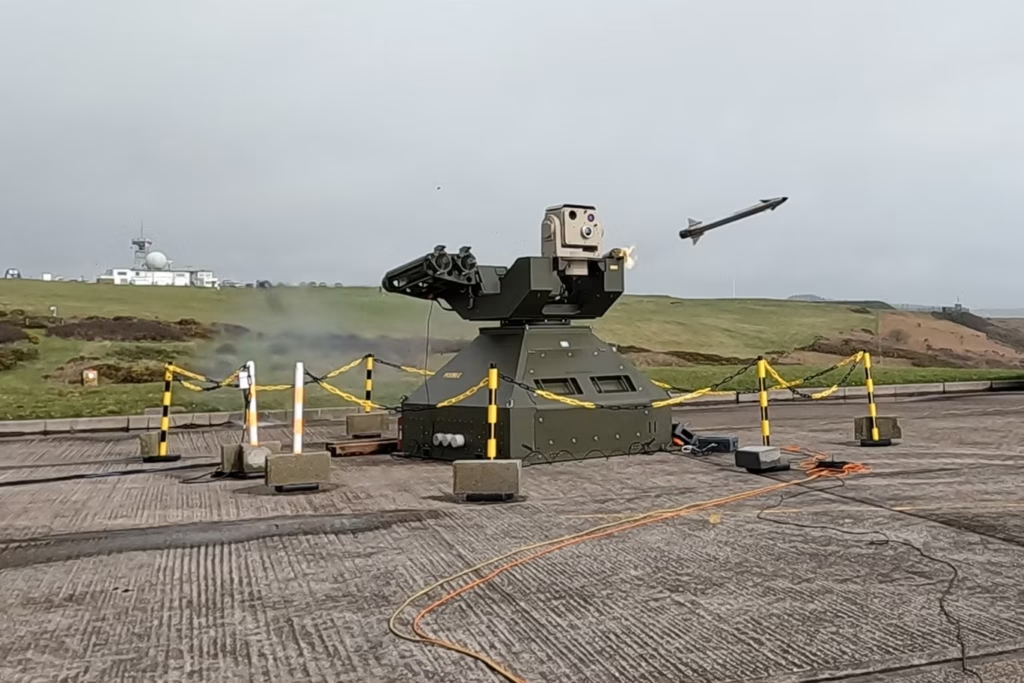
The newly designated “aces” operate within an integrated, multi-layered defence architecture designed to safeguard personnel and critical assets on the ground.
Their effectiveness lies in the coordinated use of early-warning sensor networks, electronic warfare capabilities, and the advanced Rapid Sentry air defence system, equipped with Lightweight Multirole Missiles (LMM), to detect, track, and neutralise aerial threats.
RAF Regiment gunners deployed in the Middle East contend with an evolving threat environment characterised by uncrewed aerial systems, hostile drones, and increasingly sophisticated swarm tactics engineered to overwhelm defences, disrupt operations, and pose significant risks to forces on the ground.
Wing Commander Richard Maughan, Officer Commanding No. 2 Counter-Uncrewed Aerial Systems Wing, also highlighted that, since the outset of the conflict in late February 2026, “RAF Regiment personnel supported by Royal Air Force engineers and air surveillance officers have been at the forefront of countering persistent one‑way attack drones targeting UK and Allied personnel, infrastructure, and assets in the Middle East.”
He pointed to the nights of 23 and 24 March as a significant milestone, when ground-based counter-drone units achieved the most successful defensive performance recorded in a single night, “underscoring the Regiment’s central role in force protection within a high threat environment.”
Air Commodore Paul Hamilton, Commander Global Enablement also emphasized the bravery of deployed gunners in defending UK personnels, allies and partners everyday.
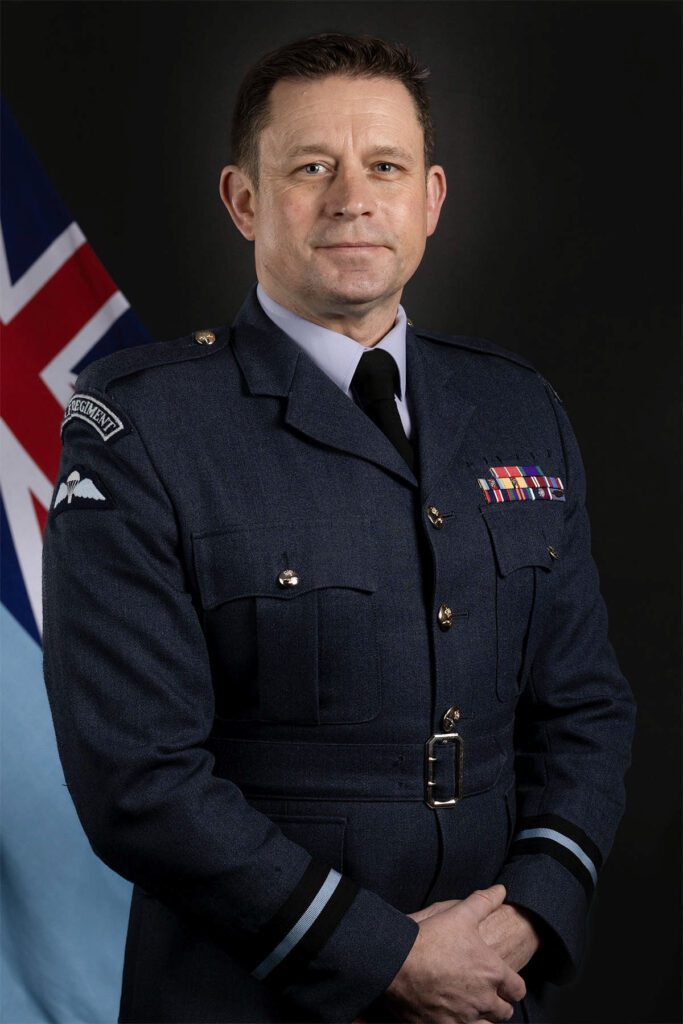
“They are genuinely putting their own lives at risk in the defence of others; as their Commandant General, I am extremely proud of the professionalism and self-sacrifice being displayed by these amazing people.”
Paul Hamilton
According to the Ministry of Defence, this defensive action is in line with the UK’s policy to defend British people, interests, and partners in the region while avoiding being drawn into the wider conflict.
This comes as the Defence Secretary, John Healey, announced earlier this week the deployment of the Rapid Sentry system to Kuwait to strengthen the country’s air defence against Iranian attacks.
The Ministry of Defence also confirmed plans to procure additional Lightweight Multirole Missiles (LMM), which will be used to support British forces and assist regional partners, including through training programmes in the UK where required.
The effectiveness of these systems has already been demonstrated in operations, with the LMM manufactured by Thales UK proving to be a highly capable asset in countering aerial threats across the Middle East.
READ ALSO : Houthis Launch Missile Attack On Israel