
Energy Chamber Ghana has called for a boycott of the Africa Energies Summit, citing discriminatory hiring practices and exclusion of African professionals.
In a press release dated April 2, 2026, the Chamber raised concerns about the institutional structure surrounding the summit, which is hosted by Frontier Energy Network in London.
The Chamber said the decision follows consultations with stakeholders across Ghana’s petroleum, gas, and broader energy ecosystem, as well as growing sentiment across the continent.
At the heart of the issue is what the Chamber describes as a persistent lack of meaningful African participation in leadership and employment roles tied to the summit.
It argued that platforms built around Africa’s energy resources must reflect the contributions and expertise of African professionals, rather than marginalising them.
“Africa cannot continue to finance platforms that speak about its resources while simultaneously narrowing access for the very professionals responsible for developing them.”
Energy Chamber Ghana
The Chamber stressed that African participation must go beyond attendance and extend into decision-making, staffing, and agenda-setting processes.
Ghana’s Energy Leadership Highlighted
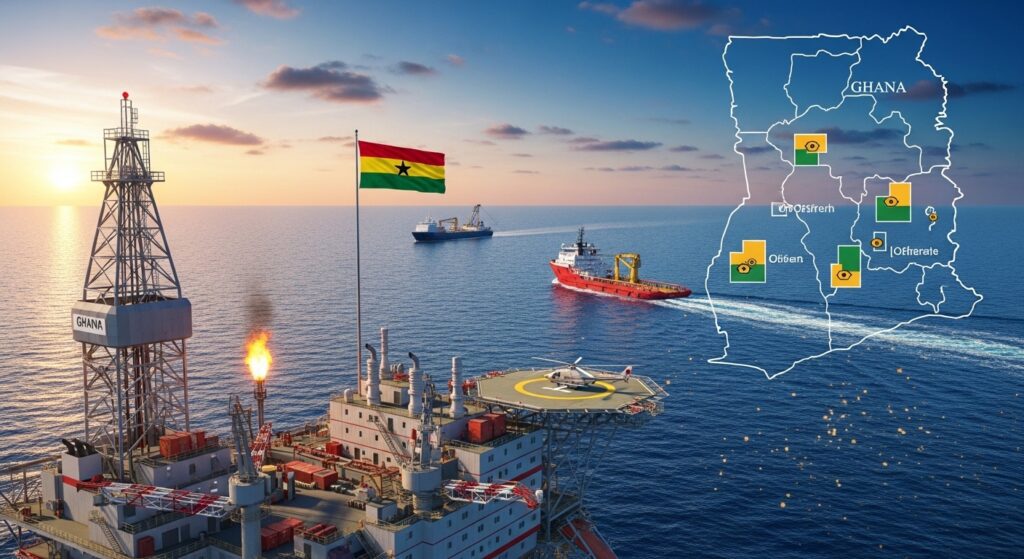
The Chamber also pointed to Ghana’s longstanding role in shaping Africa’s energy sector, arguing that the country’s contributions should be properly recognised in international platforms.
From the development of petroleum governance frameworks following the Jubilee oil discovery to the establishment of structured local content policies, Ghana has played a central role in advancing the continent’s energy landscape.
“It is deeply troubling when conferences operating under Africa’s name fail to reflect Africa’s leadership within their own staffing architecture.”
Energy Chamber Ghana
According to the Chamber, Ghana should not be treated merely as a participant but as a key driver of Africa’s energy narrative.
A major theme of the Chamber’s position is the importance of local content, which it described as a cornerstone of Ghana’s energy policy.
The statement emphasised that local content is not simply a talking point for conferences but a national commitment that underpins workforce development and long-term economic strategy.
“When events positioned as ‘Africa’s premier’ platforms operate without transparent African participation… they undermine the credibility of the very local participation principles African governments… have spent over a decade building.”
Energy Chamber Ghana
It warned that failing to align conference practices with these principles risks eroding trust in the broader energy ecosystem.
Growing Frustration Among African Professionals

The call for a boycott also reflects wider frustrations among African professionals who feel excluded from opportunities in international energy platforms.
The Chamber noted that Africa is producing a growing pool of skilled professionals in fields such as petroleum engineering, energy economics, and project finance.
However, it argued that these individuals often face barriers when seeking to engage with global platforms that claim to represent the continent’s energy future.
“Africa cannot nurture talent at home only for opportunity to be filtered abroad,” the statement said, highlighting concerns about unequal access to opportunities.
The Chamber warned that the issue goes beyond employment practices and could have broader implications for Africa’s energy sector.
At a time when the industry is facing external pressures, including climate financing restrictions and shifting global investment patterns, maintaining credibility is critical.
“Practices that weaken confidence among African professionals ultimately weaken confidence in the sector itself,” the statement said.
It added that excluding African voices from Africa-focused platforms sends the wrong signal to the next generation of industry professionals.
Call for Transparency and Corrective Action
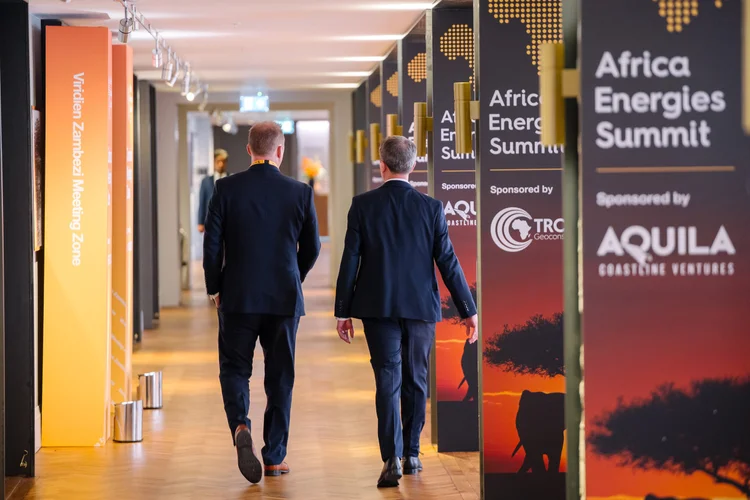
In response to these concerns, the Chamber has called on summit organisers to take immediate steps to address the issues raised.
These include providing transparency around workforce diversity, clarifying recruitment processes, and demonstrating measurable inclusion of African professionals across all aspects of the event.
The Chamber also urged the establishment of structured engagement channels with African institutions to support workforce development and capacity building.
Until such measures are implemented, it has encouraged stakeholders across Ghana’s energy sector to reconsider their participation in the summit.
Despite its strong stance, the Chamber emphasised that its position is not intended to discourage international collaboration.
Instead, it framed the boycott call as a principled response aimed at promoting fairness, representation, and mutual respect in global partnerships.
“Partnership cannot mean participation without representation,” the statement said, underscoring the need for inclusive engagement.
The controversy surrounding the Africa Energies Summit highlights a broader debate about representation and equity in global energy discussions.
As African countries continue to play an increasingly important role in the global energy landscape, calls for greater inclusion are likely to grow stronger.
For the Energy Chamber Ghana, the message is clear: Africa’s resources, expertise, and future cannot be separated from the platforms that seek to shape them.