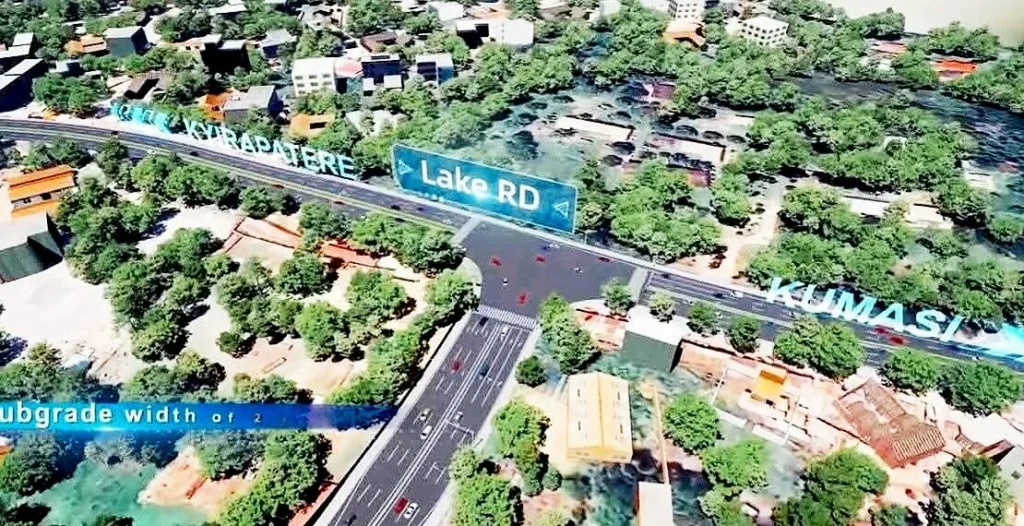
The proposed Accra-Kumasi Expressway, a major infrastructure project expected to transform travel between two of Ghana’s busiest cities, could cost as much as GHc28.7 billion and take up to six years to complete.
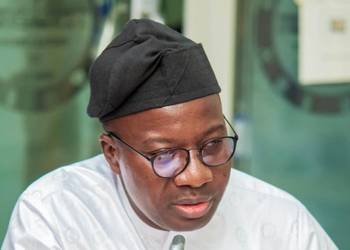
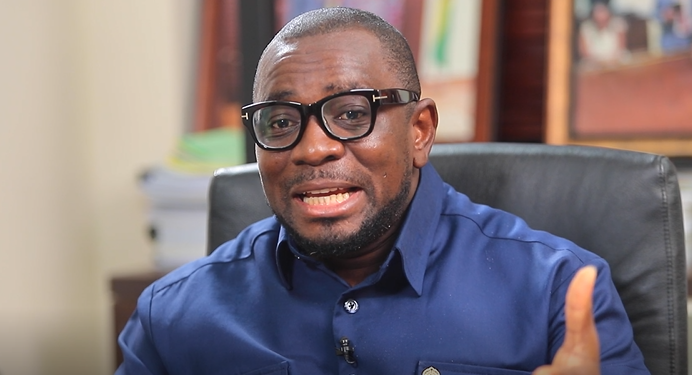
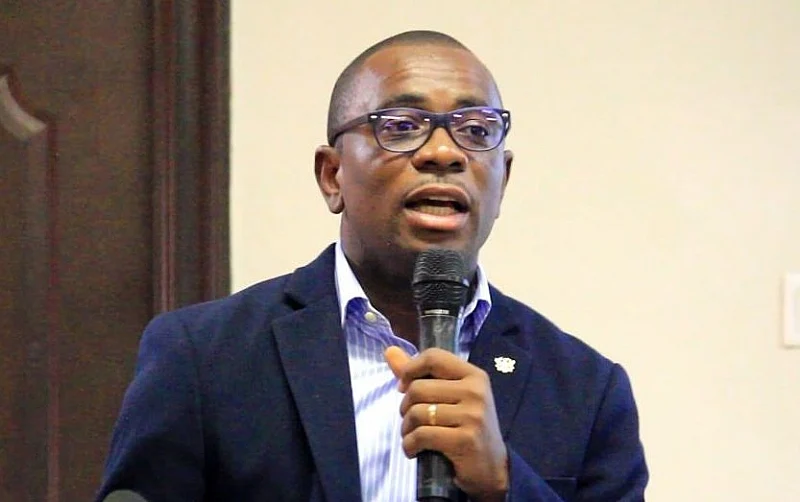
This projection was disclosed by Hon. Kennedy Nyarko Osei, Member of Parliament for Akyem Swedru and Ranking Member of Parliament’s Roads and Transport Committee.
According to him, consultations with engineers indicate that completing the 198.7 kilometre expressway will require between four and six years under realistic construction conditions.
The project is expected to include several interchanges and overpasses designed to improve traffic flow and reduce congestion along the current Accra-Kumasi corridor.
The financial implications of the project are substantial. Engineers estimate that the expressway will cost between 1.8 billion and 2.5 billion dollars to construct. This translates into a total cost range of GHc20.7 billion to GHc28.7 billion when combined with additional infrastructure components and related expenses.
However, these estimates do not include compensation payments for individuals whose properties or farmlands may be affected. Compensation alone is projected to cost between GHc900 million and GHc1.2 billion, further increasing the burden on the state.
Lawmaker calls for balanced approach to spending
Honourable Osei acknowledged that while the expressway has the potential to boost economic activity and improve connectivity, there is a need to carefully manage costs.
He suggested that the government should consider scaling down aspects of the project to allow resources to be redirected toward completing existing works on the current Accra-Kumasi highway.
“Some seasoned engineers I have spoken to have estimated that it will take a minimum of four years and a maximum of six years for us to be able to fully complete the proposed Accra Kumasi expressway”.
Hon. Kennedy Nyarko Osei, Member of Parliament for Akyem Swedru
He also explained that globally, the average cost of constructing one kilometre of an urban expressway stands at about 6.8 million dollars. This figure typically excludes additional infrastructure such as interchanges and bridges, which significantly increase overall project costs.
Timeline projections face scrutiny from industry experts
The Accra-Kumasi Expressway is envisioned as Ghana’s first high-speed, access-controlled highway. Stretching approximately 198.7 kilometres, the six-lane road will be designed to significantly reduce travel time between the two cities to under two and a half hours.
The project will feature eight interchanges and four bypasses to divert traffic away from congested towns such as Nsawam and Suhum. These design elements are intended to improve traffic flow while enhancing road safety.
In addition, the expressway will include modern tolling infrastructure, with large capacity toll plazas designed to accommodate high traffic volumes efficiently.
By providing a direct and uninterrupted route, the highway is expected to ease congestion on existing roads, reduce vehicle operating costs, and improve logistics for businesses.
The expressway forms part of the broader Big Push Infrastructure agenda by the government under President John Dramani Mahama to modernise infrastructure and stimulate economic growth.
While engineers estimate a four to six year completion period, some experts believe the timeline could extend beyond initial projections. Comparisons with similar projects across Africa suggest that large scale road developments often take longer than planned.

Social activist Antwi Bosiako cited examples, including the Addis-Ababa-Adama expressway in Ethiopia, which took five years to complete, and the Kampala-Entebbe expressway in Uganda, which required six years. He also referenced projects in Kenya and Algeria, where timelines varied depending on project size and complexity.
These experiences, he noted, highlight the challenges involved in delivering major infrastructure projects, even when supported by strong financing and experienced contractors.
Balancing ambition with practical execution
The Accra Kumasi Expressway is expected to significantly improve transportation efficiency, reduce travel time, and support trade between key regions. However, its successful delivery will depend on careful planning, sustainable financing, and realistic timelines.
As Ghana advances its infrastructure agenda, the project underscores the importance of balancing ambition with fiscal discipline. The outcome will not only shape connectivity between Accra and Kumasi but also serve as a benchmark for future large scale developments in the country.
READ ALSO: Ghana’s Economy to Defy Middle East Turmoil- Fitch Solutions